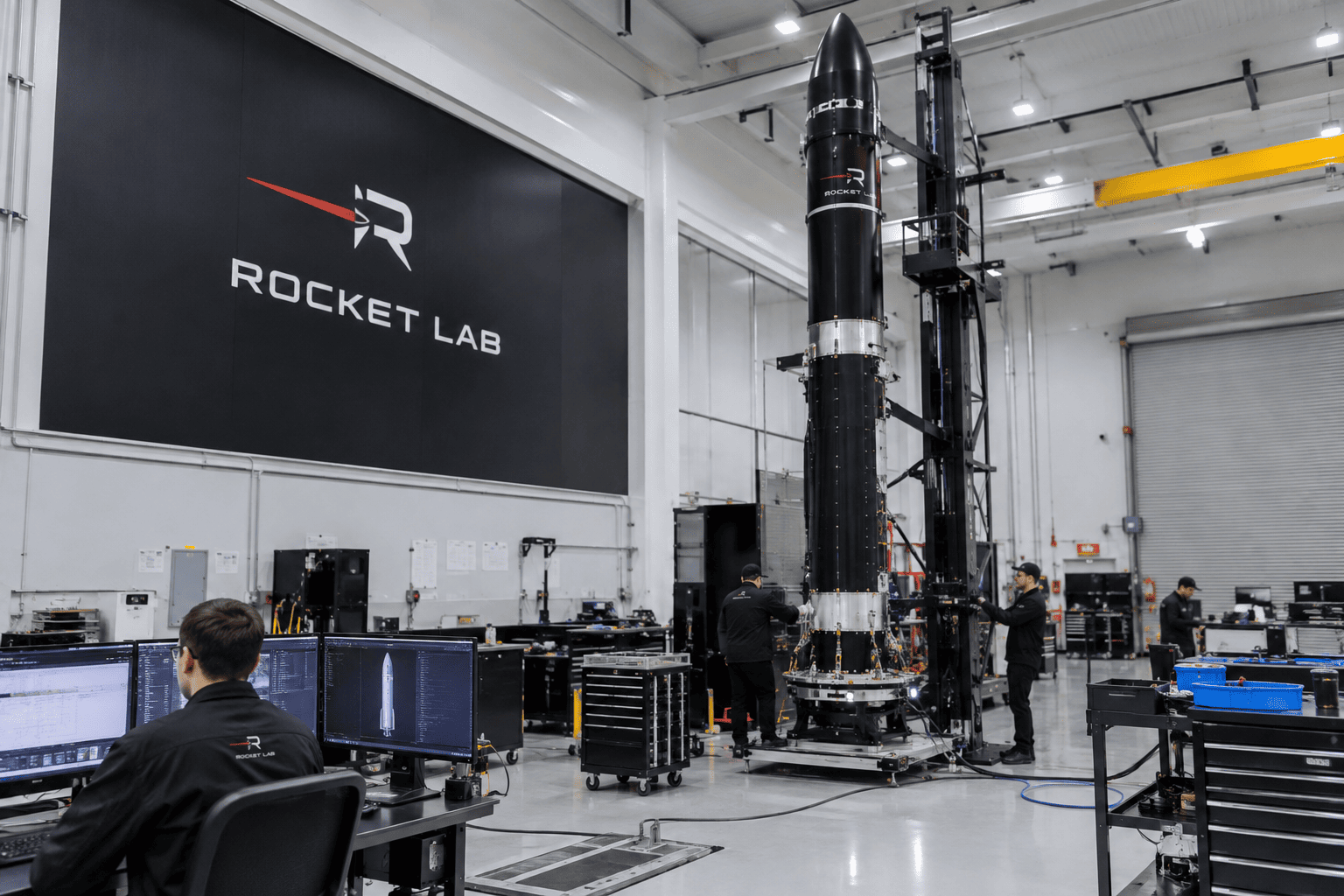
Tesla (NASDAQ: TSLA) shares declined approximately 2% in early trading Tuesday to $402.39, diverging from a broader market rally that saw the S&P 500 gain roughly 1.6%. The drop came as SpaceX, Elon Musk’s rocket and AI company, continued its post-IPO climb, rising about 8% to $208.39 and reaching a market capitalization near $2.8 trillion—more than double Tesla’s $1.3 trillion valuation.
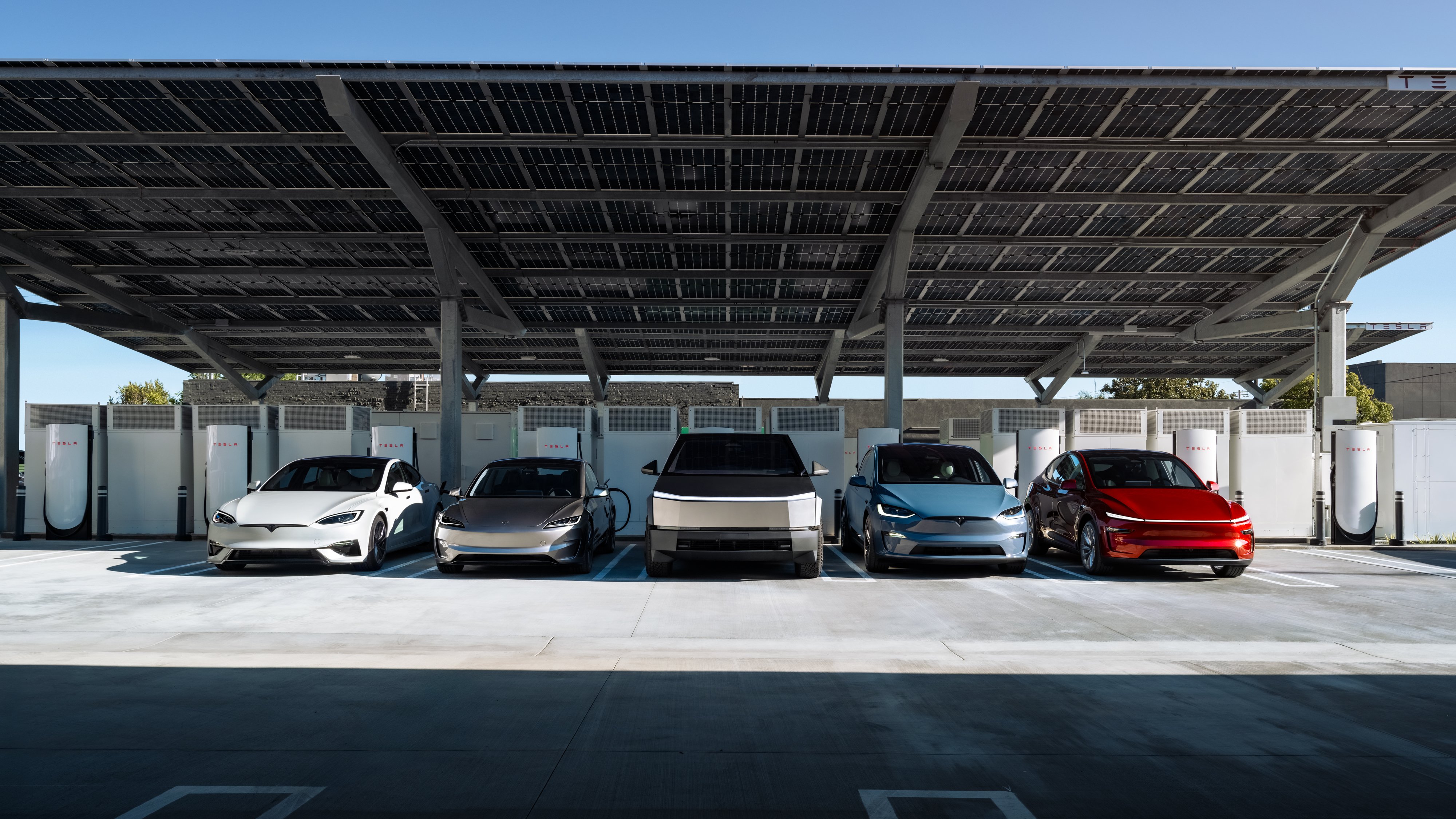
Despite the stock’s slide, Goldman Sachs expressed increased confidence in Tesla’s near-term vehicle delivery outlook. Analyst Mark Delaney reiterated a Neutral rating and $375 price target while raising the second-quarter 2026 delivery estimate to 420,000 vehicles from 405,000. That figure now exceeds the Visible Alpha consensus of 400,000.
“We believe that Tesla’s 2Q26 vehicle deliveries are likely tracking ahead of consensus,” Delaney wrote, citing monthly and weekly sales data across key regions. Europe has been a standout, with registration data through May showing year-over-year growth of roughly 85% to 90%. June daily data indicates a strong start, with deliveries up about 20%. However, Goldman noted that part of the increase reflects easy comparisons against a 29% year-over-year decline in the same period last year.
In China, data from the China Passenger Car Association points to high single-digit year-over-year growth through May. Other Asia-Pacific markets, including South Korea and Australia, have also delivered strong sales on both a year-over-year and quarter-over-quarter basis. The U.S. market remains a weak spot, with deliveries through May tracking down by the mid-teens percentage range compared with a year earlier, according to Motor Intelligence data cited by Goldman.
Improving delivery trends would be a welcome shift after two consecutive years of declining EV sales. Wall Street currently expects Tesla to deliver approximately 1.7 million vehicles in 2026, up from roughly 1.6 million in 2025. However, analysts caution that growth is not assured. Tesla faces tough comparisons later this year after delivering a record 497,000 vehicles in the third quarter of 2025, boosted by consumers rushing to purchase before the expiration of the federal $7,500 EV tax credit. The removal of that incentive has weighed on broader industry demand, though Tesla’s sales have held up relatively well.
While vehicle deliveries remain important, many investors are increasingly valuing Tesla based on its artificial intelligence ambitions. The company launched its AI-trained robotaxi service in Austin, Texas, about a year ago and has since expanded to a few more cities. Broader deployment could unlock a significant new revenue stream. Another closely watched catalyst is Optimus, Tesla’s humanoid robot program, with the third-generation version expected to be unveiled later this summer.
For context on SpaceX’s recent performance, see SpaceX Stock Slips 2% as Lockup, Short Interest Weigh on Sentiment and SpaceX Stock Drops 40% from Peak, Yet Analysts See 76% Rebound Potential. For more on Tesla’s outlook, read Tesla Stock Inches Up as Analysts Boost Price Targets Ahead of Q2 Earnings.
This article is for informational purposes only and does not constitute financial advice.