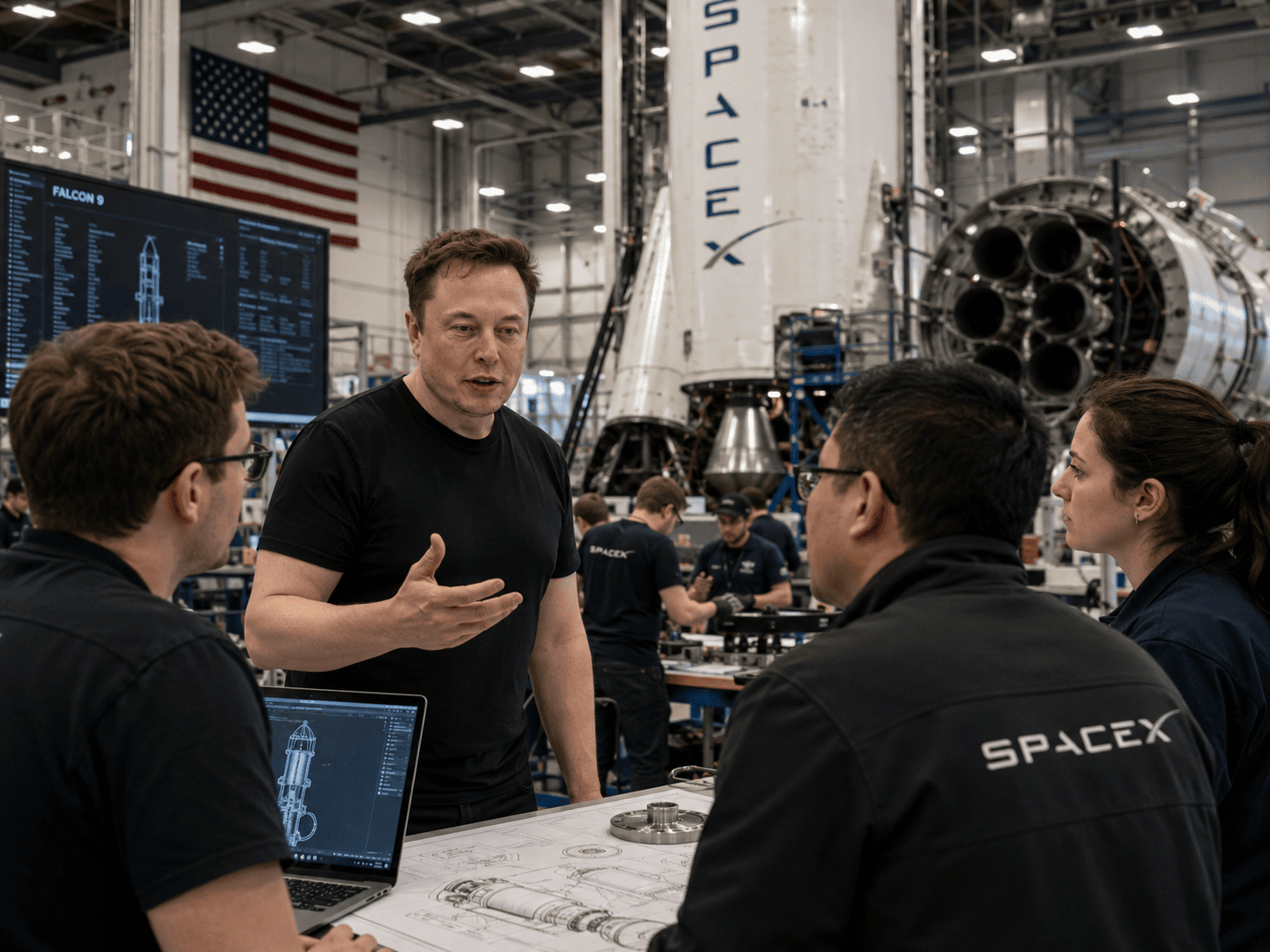
SpaceX stock (SPCX) dropped more than 6% in early trading Wednesday to $159.95, extending its post-IPO volatility as broader technology and semiconductor stocks faced headwinds. The decline came as the Nasdaq Composite fell 0.4% and the S&P 500 slipped 0.1%, while the Dow Jones Industrial Average managed a modest gain of 88 points.
Among other notable movers, Micron fell 6%, Sandisk dropped 8%, Nvidia lost roughly 2%, and Broadcom declined about 1%. The weakness in chip stocks weighed on sentiment across the tech sector, dragging SpaceX lower despite its unique position in space and artificial intelligence.
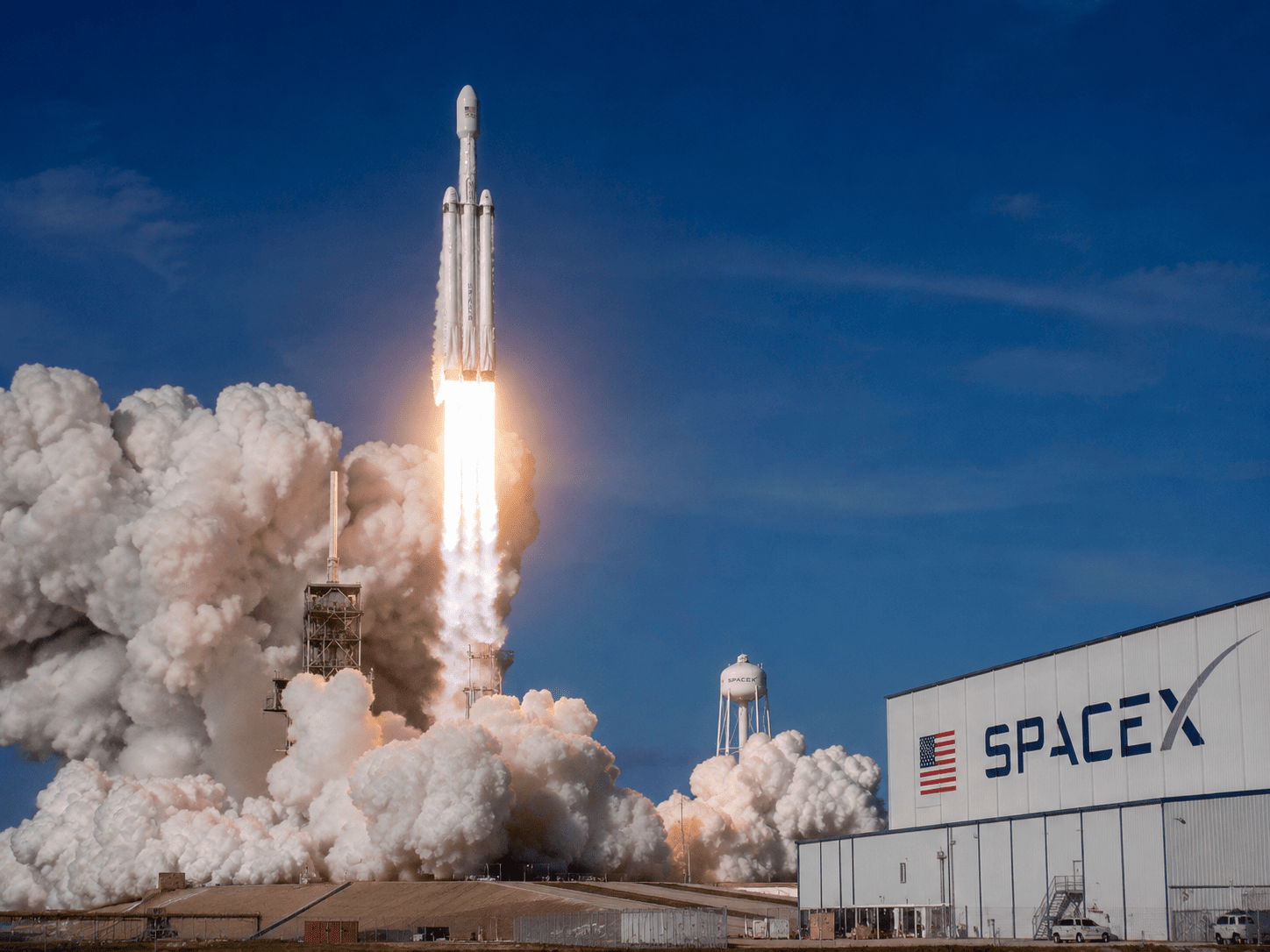
Analyst Sees $190 Price Target
Despite the pullback, Wedbush analyst Dan Ives initiated coverage of SpaceX on Tuesday evening with an outperform rating and a $190 price target, implying roughly 19% upside from current levels. Ives described SpaceX as one of the most differentiated assets in the tech market, with strong exposure across three core markets: Starlink connectivity, Starship launches, and AI data centers via its Colossus platform.
“We view SpaceX as one of the most differentiated assets within the tech market with a strong footprint across its three core markets, with Starlink driving success with connectivity, Starship launches leading to a demand flywheel, and increasing deal flow for its Colossus AI data centers,” Ives wrote.
Starship Central to Long-Term Growth
Ives emphasized that Starship remains central to SpaceX’s long-term strategy. The next-generation launch vehicle could reduce the cost of reaching space by roughly 90% compared with Falcon 9 missions, potentially unlocking a broader range of commercial opportunities, including orbital AI data centers.
“All of SpaceX’s future business runs through Starship, whether it’s Starlink’s next-generation satellites, the orbital AI-compute constellation, the Artemis lunar lander, or the cost-and-capacity step the whole forward valuation case assumes,” Ives wrote. “The vehicle is the single largest source of value in the franchise as much as its largest risk.”
AI Business Valued at $1.8 Trillion
Ives used a sum-of-the-parts valuation framework, assigning approximately $66 billion to SpaceX’s launch operations, $600 billion to Starlink, and a staggering $1.8 trillion to its artificial intelligence business. He expects AI-related operations to generate more than $80 billion in revenue by 2028, before any contribution from potential orbital AI data centers.
This analysis places significant emphasis on SpaceX’s expanding AI ambitions alongside its traditional aerospace operations, a theme that has attracted attention from investors and analysts alike. For more on how AI is reshaping the tech landscape, see our coverage of Micron, AMD, Intel leading a chip rebound as analysts reaffirm AI demand.
Nasdaq-100 Inclusion Could Drive Demand
Separately, SpaceX is set to become one of the fastest companies ever added to the Nasdaq-100 index following recent rule changes. Nasdaq announced after last Friday’s close that SpaceX qualifies for inclusion, with index-tracking funds expected to begin purchasing shares after the market closes on July 6. SpaceX will officially join the Nasdaq-100 before trading begins on July 7.
More than $800 billion tracks the Nasdaq-100, including the Invesco QQQ Trust, one of the largest and most actively traded ETFs. Although SpaceX is expected to enter with a weighting of less than 1%, inclusion could create meaningful buying demand because the company’s public float remains limited relative to its overall market capitalization. Index funds and ETFs tied to the Nasdaq-100 will need to acquire shares to reflect the benchmark’s revised composition, while active managers benchmarked against the index may also adjust positions.
For investors looking at other opportunities in the current market, our list of 5 under-the-radar stocks analysts favor for summer 2026 offers additional ideas as the market broadens.
This article is for informational purposes only and does not constitute financial advice.