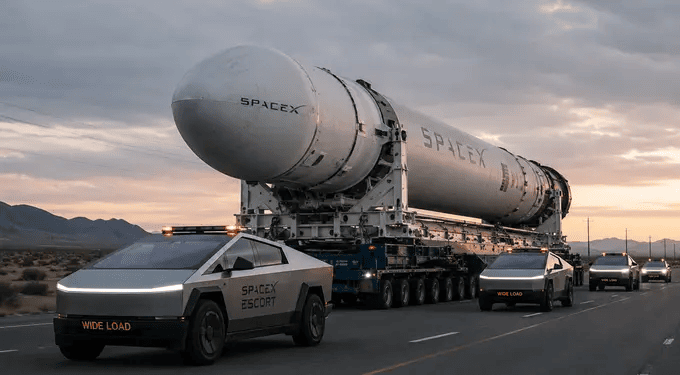
SpaceX shares retreated 3% to $184.81 on Thursday, as the initial euphoria following the company's blockbuster IPO gave way to sobering assessments of its capital-intensive artificial intelligence strategy. The decline, which pared earlier losses, still leaves the stock more than 30% above its $135 IPO price.
Post-IPO Rally Loses Momentum
SpaceX's market capitalization briefly surpassed those of Amazon and Microsoft earlier this week, vaulting the newly public company into the ranks of the world's most valuable corporations. However, the rally has since stalled as investors reassess whether a valuation exceeding $2 trillion can be justified by the company's aggressive push into AI.
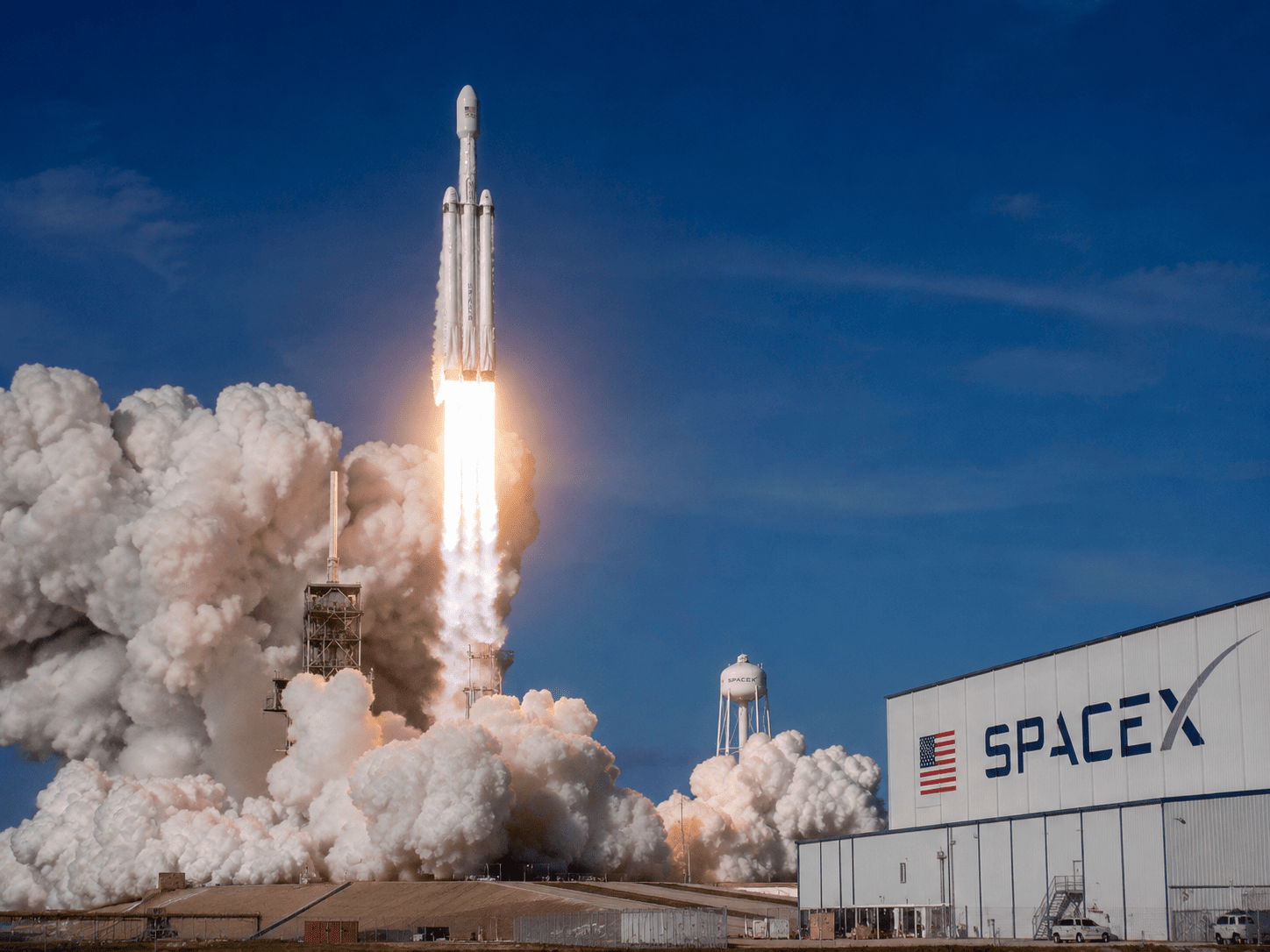
The broader market appeared to play only a secondary role in the stock's movement. Analysts note that the shares are still adjusting to public trading dynamics, including the introduction of options and demand from passive index-tracking funds seeking exposure. As highlighted in a recent analysis, Nokia Stock: A Disciplined AI Infrastructure Play vs. SpaceX's Hype-Driven Valuation underscores the contrasting investor sentiment between established telecom players and SpaceX's high-growth narrative.
Debt Offering Highlights AI Investment Requirements
Investor sentiment was further dampened by reports that SpaceX is preparing to raise fresh capital. According to Reuters, the company's bankers are expected to meet investors as early as next week to discuss a bond offering of at least $20 billion. The potential debt issuance underscores the scale of investment required to build out SpaceX's AI operations.
The company announced on Tuesday that it would acquire Anysphere, the developer of the AI coding assistant Cursor, in a $60 billion all-stock transaction designed to strengthen its position in enterprise AI software. Earlier this year, SpaceX also acquired Musk's AI startup xAI in a record-setting deal that combined the space and satellite business with the Grok chatbot.
Company filings show that revenue has continued to rise even as losses have deepened, reflecting the significant capital requirements associated with its AI expansion strategy. This pattern mirrors broader industry trends, as seen in Qualcomm Shares Jump 3% on AI Chip Expansion, Potential Tenstorrent Buy, where chipmakers are also investing heavily in AI infrastructure.
Wall Street Remains Optimistic on Long-Term Prospects
Despite concerns surrounding the debt raise and valuation, several analysts remain highly bullish on SpaceX's prospects. The Zephirin Group issued a positive trading call earlier this week, citing an "underappreciated supply-demand imbalance." The firm noted that only about 640 million shares are currently available for trading, which may not satisfy demand from more than 300 index-tracking funds seeking exposure. Zephirin believes shares can reach $310 while that imbalance persists.
Analyst optimism increased further after Arete Research's Andrew Beale initiated coverage with a Buy rating and a $401 price target. Beale sees substantial opportunity in the third generation of SpaceX's Starlink satellites, which are significantly more capable than previous versions. The larger v3 satellites require deployment using Starship, the company's fully reusable rocket system that remains under development. Beale's price target values SpaceX at approximately $5.3 trillion, equivalent to roughly 80 times estimated 2027 sales, underscoring the exceptionally high expectations investors currently hold.
The IPO's impact on the broader market has been significant, as noted in Dow Adds 353 Points on SpaceX Debut, Iran Deal Optimism, reflecting the stock's weight in major indices. Meanwhile, the introduction of SpaceX CFDs by brokers like Exness has opened new trading avenues for volatility-focused investors, as detailed in Exness Adds SpaceX CFD After Landmark IPO, Targeting High Volatility Traders.
This article is for informational purposes only and does not constitute financial advice.