SpaceX's post-IPO trading has been volatile, but recent regulatory filings are shedding light on the institutional investors who backed the company before it went public—and the scale of their gains. Nvidia, Alphabet, and Harvard Management Co. are among the major holders that disclosed their positions in quarterly 13F filings, offering a rare look at the ownership structure of Elon Musk's rocket venture.
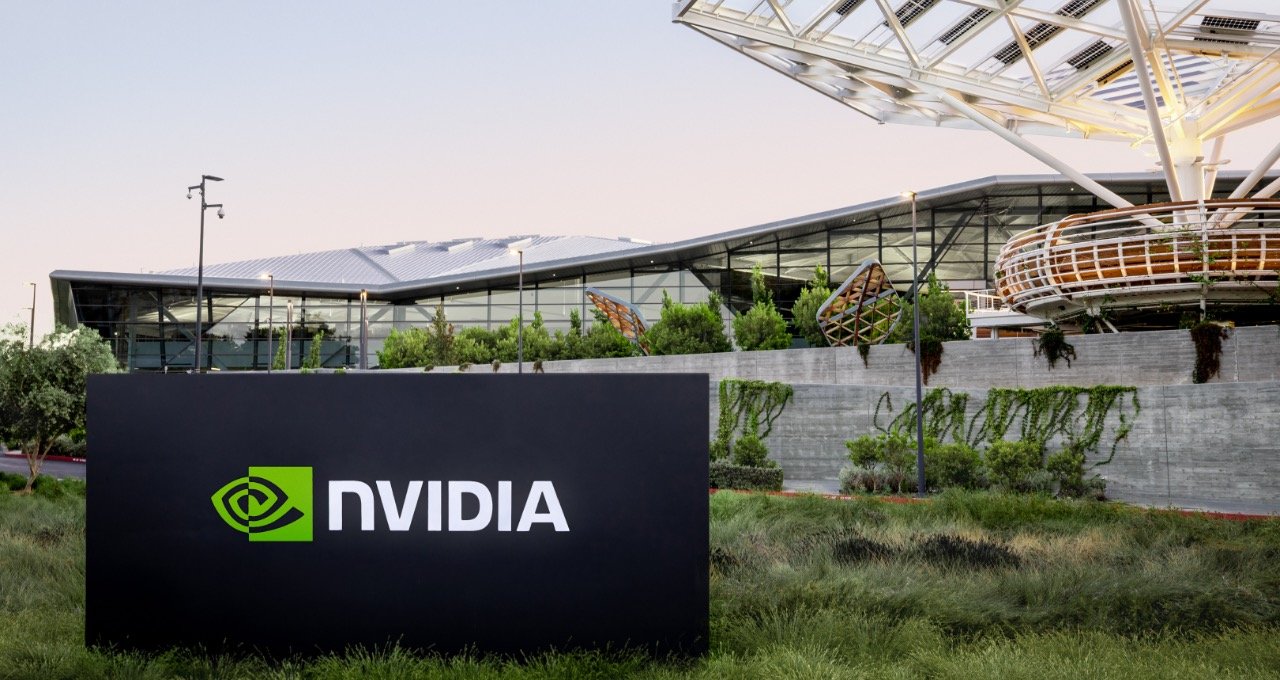
According to the latest filings, which reflect positions as of June 30, Nvidia's SpaceX stake was valued at approximately $21 billion. The chipmaker held 122.8 million Class A shares, a position that has since declined in value to roughly $17.2 billion based on Friday's closing price of $140. Nvidia's exposure came through its $10 billion investment in Musk's xAI, part of a $20 billion funding round announced in January, according to a person familiar with the matter. This makes Nvidia the sixth-largest SpaceX investor, with its holding second only to its Intel stake, currently worth about $22 billion.

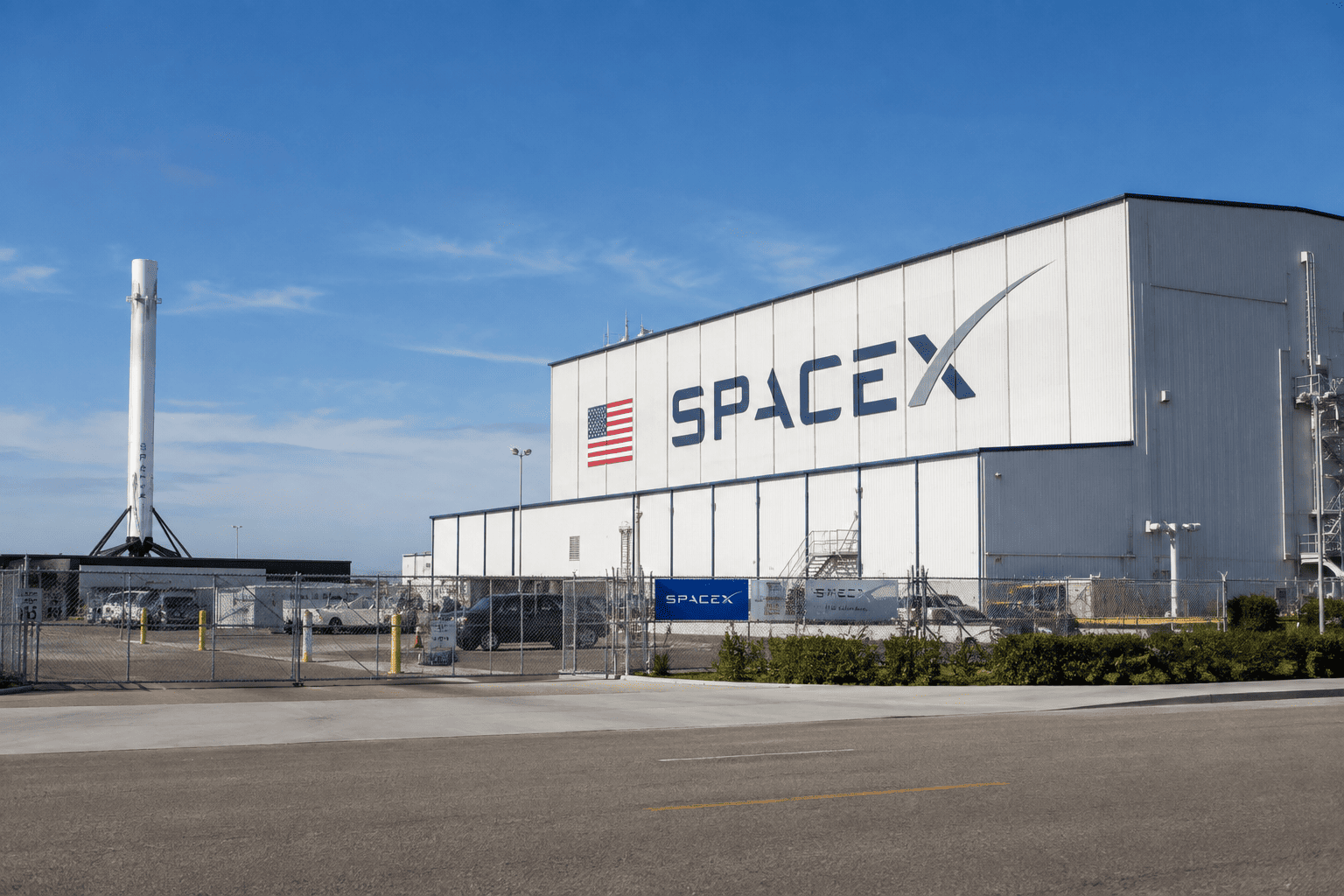
Alphabet's investment tells an even more striking story. The Google parent disclosed a SpaceX stake worth approximately $94 billion at the end of June, making it the largest single institutional holder. Alphabet initially invested $900 million in SpaceX in 2015, meaning that position has appreciated more than 100-fold. The disclosure underscores the deepening ties between Musk's ventures and major tech firms, as well as the outsized returns available to early private-market investors.
Harvard Management Co., which oversees the university's endowment, reported a $2.2 billion position in SpaceX in its latest 13F filing. That stake represents a significant portion of Harvard's $4.3 billion in disclosed US equities. The university managed roughly $57 billion in assets as of June 2025, and the SpaceX holding may include both direct shares and interests from private funds, making it difficult to pinpoint the exact acquisition timeline. Still, the disclosure highlights that SpaceX's investor base extends beyond tech giants and venture capital to major institutional pools of capital.
Norway's sovereign wealth fund, Norges Bank Investment Management (NBIM), also disclosed a small but notable SpaceX position. The $2.3 trillion fund reported a 0.05% stake, valued at just over $1.2 billion as of June 30. While that is modest compared with its Nvidia and Apple holdings—worth $61.8 billion and $52.7 billion, respectively—it makes NBIM a significant institutional shareholder in two Musk-linked companies. NBIM invests in roughly 7,000 companies worldwide, with about 40% of its portfolio in US equities.
The disclosures come as SpaceX shares have recovered from post-IPO lows. After falling below its $135 IPO price, the stock closed at $140 on Friday, still below its $150 opening but showing resilience ahead of the next lockup expiry. Investors are closely watching for potential selling pressure, as noted in recent coverage of the second lockup. Meanwhile, analysts have set price targets as high as $300, citing growth in AI-related revenue, as Morgan Stanley's recent note highlighted.
These filings also illustrate the broader trend of tech companies using their balance sheets to forge deeper ties with Musk's ecosystem. Nvidia's investment in xAI, for instance, is part of CEO Jensen Huang's strategy to expand the company's influence across the AI industry, even as it supplies chips to potential competitors. Alphabet's long-standing bet on SpaceX similarly reflects a strategic alignment with Starlink's satellite internet ambitions.
For investors, the 13F data offers a snapshot of institutional conviction, but it is inherently backward-looking. The filings capture positions as of June 30 and do not reflect any trades made since then. As SpaceX's stock continues to swing, the true value of these stakes will evolve, and future filings will provide more clarity on whether these investors are holding or trimming their positions.
This article is for informational purposes only and does not constitute financial advice.