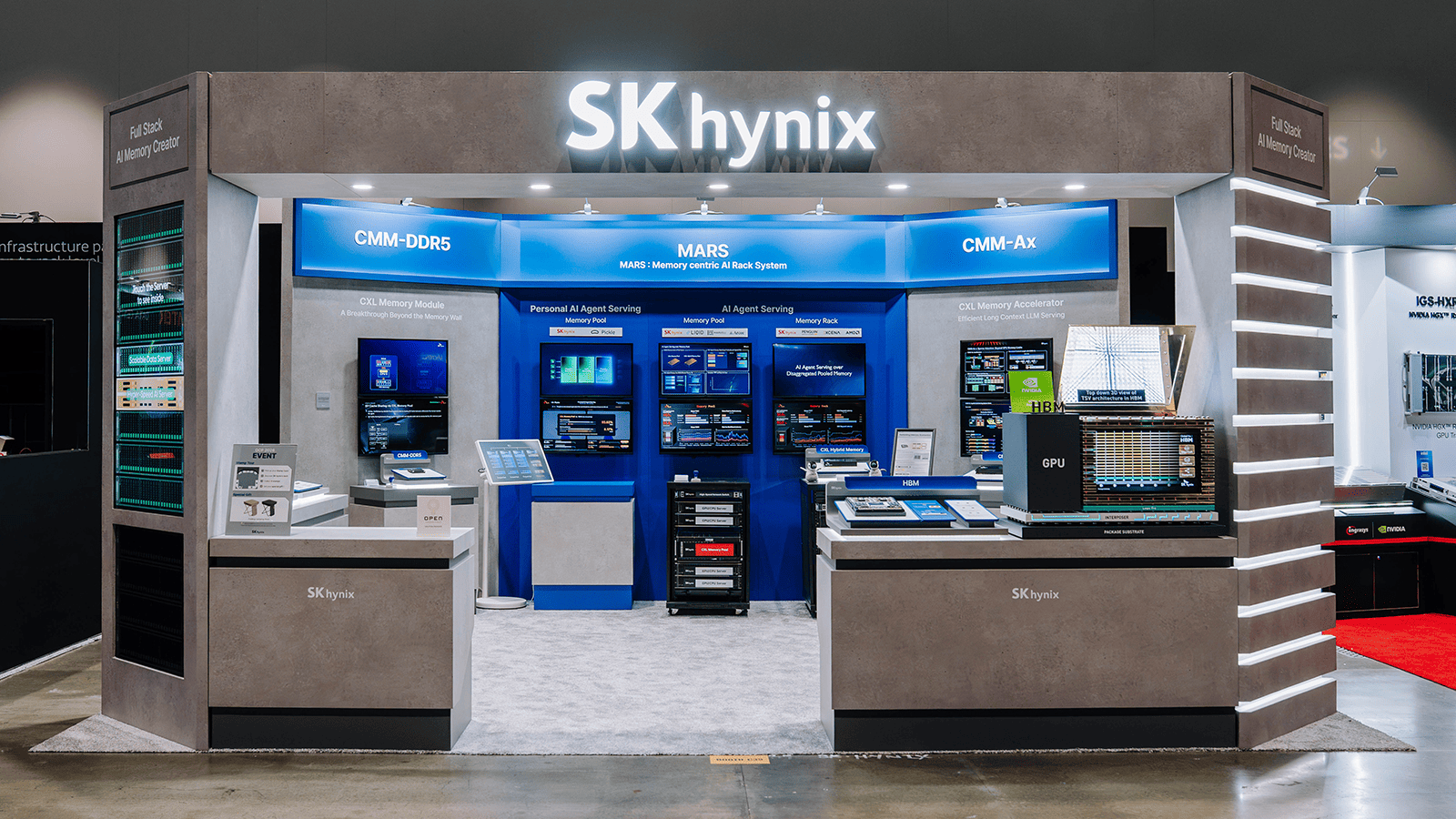
SK Hynix shares climbed 4.4% on Friday after the South Korean chipmaker decided to halt its review of a potential US initial public offering for its subsidiary Solidigm. The stock had fallen as much as 3% earlier in the session before reversing course, even as broader markets weakened.
In a regulatory filing, SK Hynix said it had stopped discussions around a Solidigm listing and pre-IPO investment, pointing to "recent capital market conditions." The decision followed scrutiny from South Korean regulators, who worried that the offering could dilute the value of minority shareholders' holdings and complicate the ownership structure of SK Group.
The withdrawal adds Solidigm to a growing list of companies that have suspended or abandoned IPO plans as investor concerns about the sustainability of the artificial intelligence boom weigh on markets. However, in SK Hynix's case, domestic regulatory opposition was a major factor behind the reversal.
$10 billion IPO shelved
Solidigm had been preparing for a potential US listing that could have raised approximately $10 billion and valued the business at as much as $100 billion, according to media reports. The company had reportedly selected Goldman Sachs and Morgan Stanley to work on the proposed offering and had been considering a listing as early as next year.
Solidigm was established in 2021 after SK Hynix acquired Intel's flash memory business and renamed the unit. It has since repositioned itself as a supplier of high-capacity solid-state drives used in AI data centers, where demand for data storage continues to grow alongside computing workloads.
SK Hynix had previously said Solidigm was reviewing options to strengthen its competitiveness. Following the decision to shelve the IPO, the parent company sought to reassure investors that the move did not reflect a deterioration in the subsidiary's growth prospects or investment requirements.
"In light of recent capital market conditions and share price trends, Solidigm determined that it was necessary to reassess whether an IPO would be the most beneficial option for SK Hynix and its existing shareholders at this time," the company said in a statement.
Regulatory scrutiny and the Korea discount
The proposed listing had become a test of South Korea's efforts to strengthen corporate governance and improve protections for minority shareholders. Regulators raised concerns that listing Solidigm separately in the US could amount to a duplicate listing, potentially allowing the subsidiary's value to be recognized independently while leaving existing SK Hynix shareholders exposed to dilution.
The controversy comes as South Korea attempts to address the persistent undervaluation of its equity market, commonly known as the "Korea discount." The term refers to the tendency for South Korean companies to trade at lower valuations than comparable international businesses, with corporate governance concerns among the issues investors have raised.
Seoul's IPO market has also struggled to keep pace with fundraising elsewhere in Asia. Initial public offerings in South Korea have raised approximately $1.4 billion in 2026, compared with more than $3 billion in each of the previous three years, according to Bloomberg-compiled data.
The proposed Solidigm transaction therefore carried implications beyond SK Hynix itself, touching on the balance between unlocking subsidiary value and protecting existing shareholders.
This article is for informational purposes only and does not constitute financial advice.