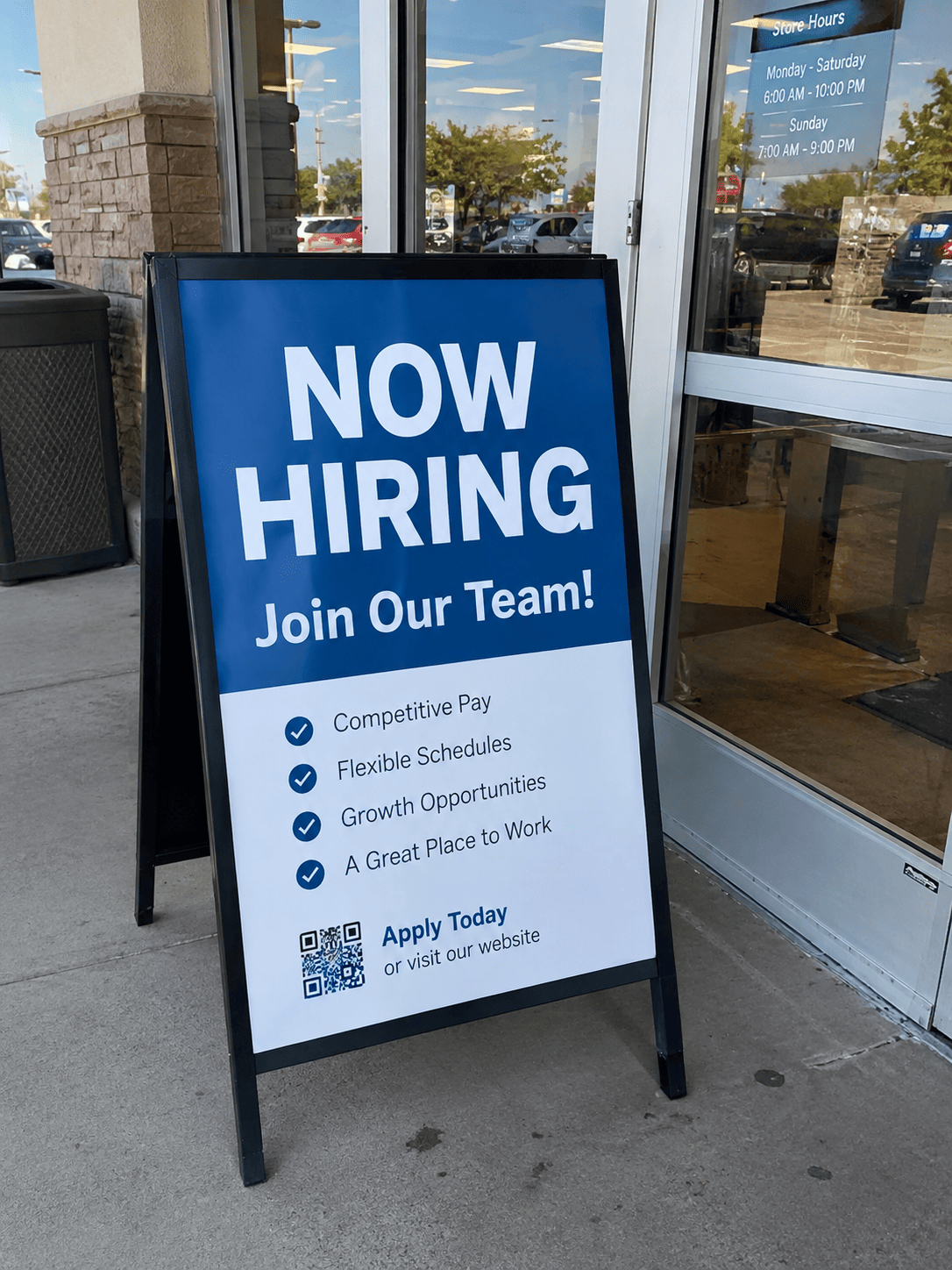
US employers added far fewer jobs than economists had anticipated in September, a miss that rippled through financial markets and sharply reduced the perceived likelihood of a Federal Reserve rate increase at its October meeting.
According to the Labor Department, nonfarm payrolls increased by just 29,000 last month, against a Dow Jones consensus estimate of 84,000. The unemployment rate ticked up to 4.2% from 4.1%, while the labor force participation rate edged higher to 61.8%. The employment-population ratio stood at 59.2%.

The headline figure was further clouded by substantial downward revisions to the prior two months. July payroll growth was revised to a decline of 10,000 from an initial gain of 21,000, a reduction of 31,000. August employment growth was revised down by 29,000, from 162,000 to 133,000. Combined, the revisions mean employment gains in July and August were 60,000 lower than previously reported.
Mohamed A El Erian, economist and chief economic advisor at Allianz, noted on X that the data contained "surprises," pointing to weak job creation, a higher unemployment rate, and moderating monthly earnings growth of only 0.1%. He also highlighted the increase in labor force participation as a more encouraging supply-side development, adding that the report "will reinforce the impact of recent Fedspeak in calming expectations about an October rate hike."
Sector-level detail shows uneven labor market
Employment trends across industries painted a mixed picture. Health care continued to add jobs, though the 17,000 gain was below the sector's average monthly increase of 33,000 over the previous 12 months. Construction employment changed little, adding 11,000 positions, broadly in line with its 10,000 monthly average over the past year. Nonresidential specialty trade contractors added 12,000 jobs.
Financial activities shed 7,000 jobs in September. Employment in that sector has fallen by 129,000 since its recent peak in May 2025, with insurance carriers and related activities accounting for 90,000 of the decline.
Market reaction and Fed expectations
Equity futures rallied on the release. S&P 500 futures rose 0.8% early Friday, Dow Jones Industrial Average futures gained 458 points, or 0.9%, and Nasdaq-100 futures climbed 1.2%. Treasury yields fell, with the 10-year yield dropping more than 5 basis points to 5.176%.
The move in rates reflects a sharp repricing of Fed policy expectations. Traders now assign only about a 25% probability to a rate hike this month, down from roughly 70% earlier in the week. The shift was reinforced by Wednesday's inflation data, which showed the personal consumption expenditures price index rising 3.4% year over year in August. While still well above the Fed's 2% target, the reading was unchanged from July, offering little evidence of accelerating price pressures.
Recent comments from Fed officials had already begun to temper expectations. New York Fed President John Williams said Tuesday there was "no need for urgency" in adjusting policy, though he noted that "one further upward adjustment" may be appropriate later this year. Vice Chair Philip Jefferson echoed that caution on Thursday, stating that "any future adjustments in policy should be determined by carefully examining trends in the data, the evolving outlook, and the balance of risks."
Against this backdrop, global brokerages now largely expect the Fed to deliver just one more rate hike this year, with December viewed as a more likely window than October.
This article is for informational purposes only and does not constitute financial advice.

