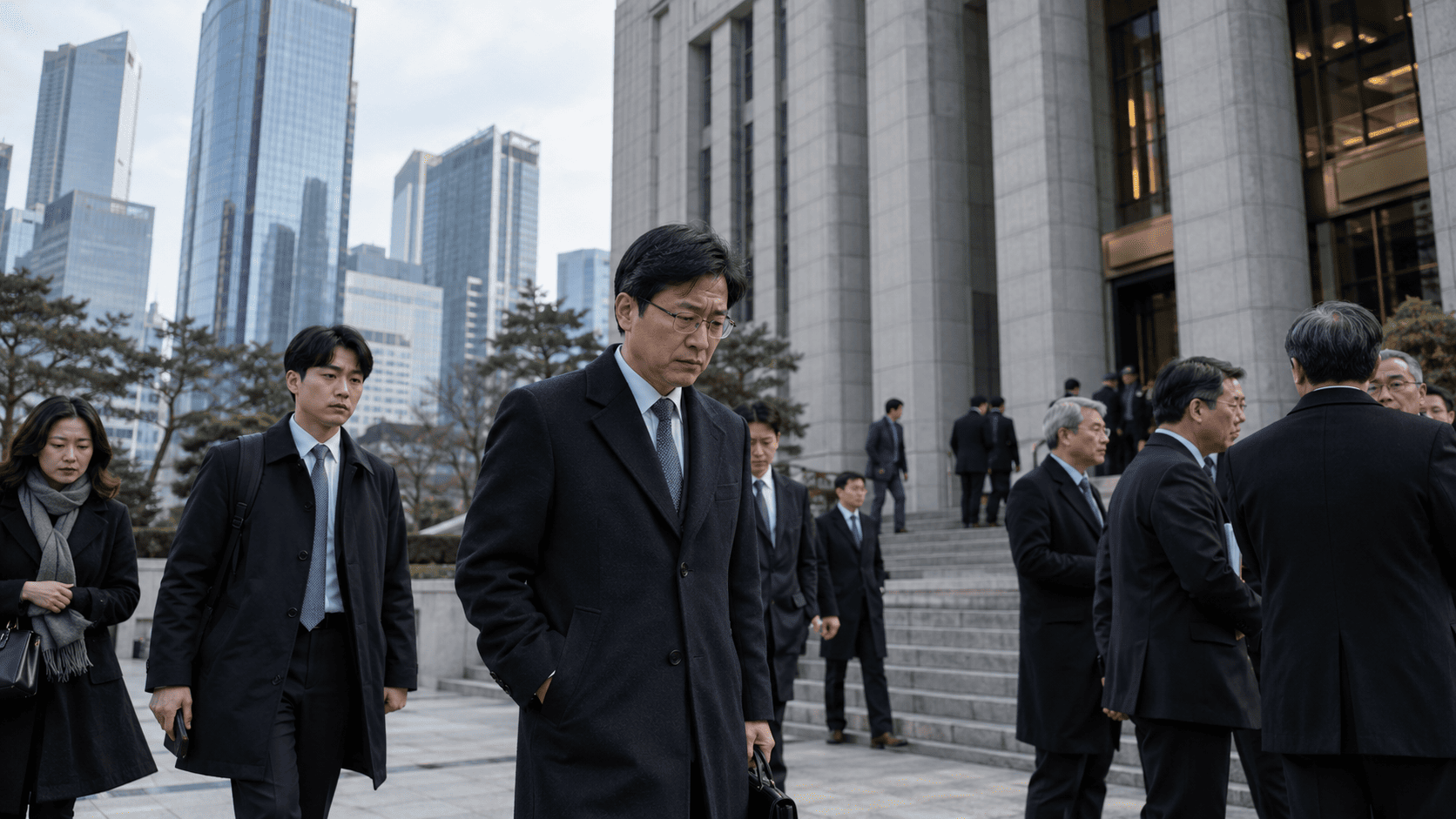
South Korea's legal battle with Elliott Investment Management over the 2015 Samsung C&T merger has resurfaced, with a remand tribunal ordering Seoul to pay $48.49 million in damages plus interest. The ruling comes just seven months after a UK court victory appeared to remove the government's liability in the long-running dispute.
The tribunal found that government intervention in the merger of Samsung C&T and Cheil Industries was causally linked to Elliott's losses. The award matches the tribunal's original 2023 ruling, but Elliott says interest, legal fees, and other costs have lifted total relief to approximately $113 million. The Justice Ministry has not confirmed that figure.

Background of the dispute
Elliott, a minority shareholder in Samsung C&T, opposed the 2015 merger with Cheil Industries. The fund argued that South Korea improperly intervened in the National Pension Service's vote, causing losses. In June 2023, an arbitration tribunal partially sided with Elliott, awarding $48.49 million in principal damages.
South Korea challenged that ruling in England. On February 23, the High Court partially set aside the award, rejecting the tribunal's treatment of the National Pension Service as a state organ. However, the court remitted the question of causation involving measures attributable to the presidential Blue House and the Ministry of Health and Welfare back to the tribunal.
The remand ruling
The remand tribunal has now answered that question against South Korea, restoring the same damages figure. The $48.5 million headline understates the potential bill, as the tribunal also ordered delayed interest and other costs. Yonhap reported that the Justice Ministry has not disclosed the value of those additional amounts, but Elliott said the supplemental award brings total relief to about $113 million, including damages, interest, legal fees, and costs. The fund said interest continues to accrue until payment.
The longer the dispute continues, the wider the gap can become between the original damages award and the taxpayer cost. The Justice Ministry has not announced its next legal step, saying it would analyze the supplemental award with relevant ministries, outside counsel, and experts before deciding on follow-up measures.
Broader implications for governance
The broader significance reaches beyond the award. South Korea has spent recent years strengthening minority-shareholder protections and corporate governance as it seeks to attract international capital. Shareholder activism has become more mainstream, with sixty Korean companies facing activist demands in the first quarter of 2026, matching the total for all of 2025, according to The Korea Times.
Korea Capital Market Institute researcher Hwang Sei-woon told the publication that investors now have a stronger incentive to push companies to unlock value and improve shareholder returns in a low-growth environment. That makes the Elliott ruling awkward symbolically, as it revives a dispute associated with foreign-investor concerns over chaebol governance and treatment of minority shareholders.
This article is for informational purposes only and does not constitute financial advice.

