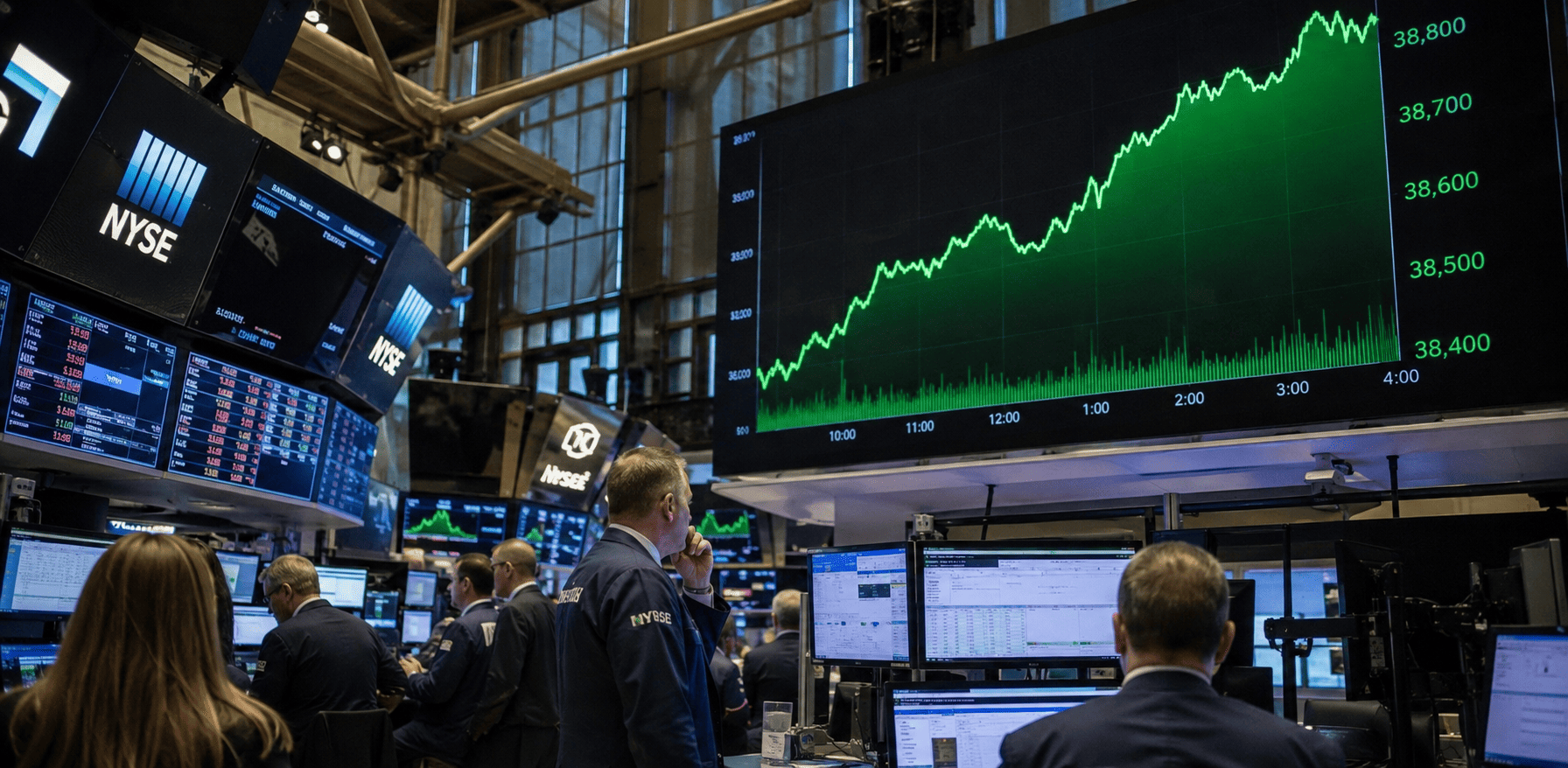
US equities kicked off August on a strong note, with the S&P 500 closing at a fresh all-time high of 7,736.52. However, market technicians are urging caution, pointing to a key resistance level that must be decisively cleared before the rally can be considered sustainable.
The 7,620 resistance level
Katie Stockton, founder and managing partner of Fairlead Strategies, highlighted 7,620 as a critical technical threshold. This level corresponds to June's intraday high of 7,610, which has historically acted as a ceiling where selling pressure tends to concentrate. Stockton noted that while the index has already closed above this level once, on August 4, she wants to see "a couple of clear and consecutive closes above 7,620" before confirming a breakout.

The significance of this level is rooted in market mechanics: previous highs often become psychological and algorithmic resistance zones, where traders and automated systems may trigger sell orders. A sustained move above this zone would signal that buyers have absorbed that supply.
What a confirmed breakout could mean
If the S&P 500 can hold above 7,620, it could shift the trading landscape for the remainder of the summer. Historically, August tends to bring sluggish volumes and seasonal headwinds, but a validated breakout could reignite buying momentum. Institutional investors, who have been waiting for technical confirmation, might reallocate capital into high-beta growth names and mega-cap tech stocks, some of which have already reclaimed market leadership.
According to Stockton, a breakout could force "sidelined" cash back into the market, potentially accelerating the broader bull run into the final months of the year. This would contrast with the typical late-summer lull, offering a more constructive outlook for equities.
Tech and semiconductors in focus
Ari Wald, head of technical analysis at Oppenheimer, sees high-conviction tech names as the primary engine for further gains once the breakout is confirmed. He specifically points to "parts of software" within the technology sector as positioned for material strength. Additionally, a broader breakout could mark a turning point for semiconductor stocks, which have been under pressure after a wave of profit-taking in July dragged the iShares Semiconductor ETF (SOXX) down more than 20%.
Oppenheimer's playbook extends beyond tech, advocating for a balanced approach that includes cyclical and defensive sectors with constructive chart patterns. The firm highlights pharma, big banks, biotech, brokerages, oil refineries, and capital goods within industrials as top themes for the second half of 2026.
Market context
The recent rally has been fueled by a strong earnings season, with significant contributions from non-tech names as well. The S&P 500 is currently up more than 20% from its late-March low, reflecting renewed optimism as companies like Microsoft and Amazon confirm that aggressive AI spending is translating into tangible financial returns. However, analysts caution that claims of forced institutional buying remain speculative until the technical picture clarifies.
For investors, the key takeaway is to watch for confirmation of the breakout above 7,620. As Stockton advises, "make sure before acting upon this rally as a breakout that it's confirmed." A decisive move could open the door to further upside, while a failure to hold could signal a period of consolidation.
This article is for informational purposes only and does not constitute financial advice.