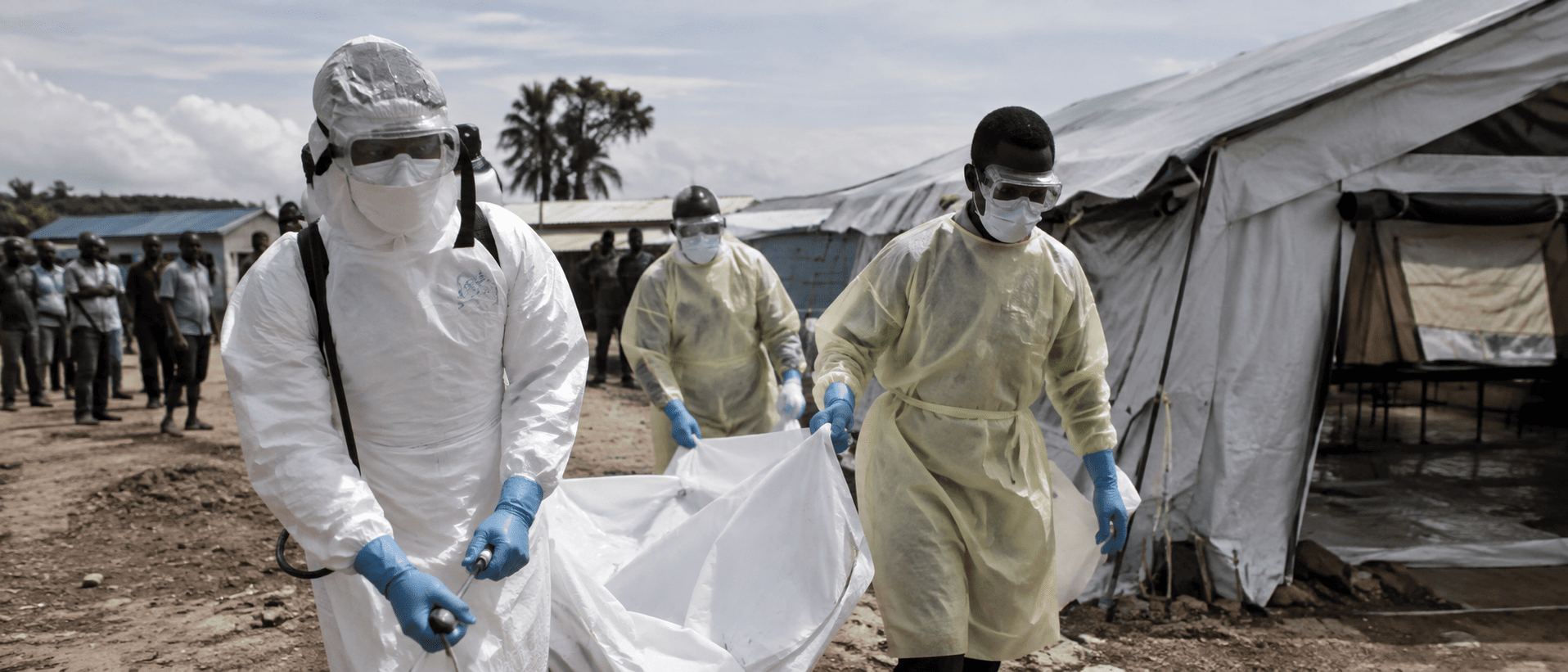
Global biosecurity concerns have intensified following a fatal laboratory exposure to Yersinia pestis, the bacterium responsible for pneumonic plague, at an anti-plague research facility in Siberia. Russian authorities have quarantined several regional hospitals and isolated nearly 200 contacts, prompting a broader reassessment of pandemic preparedness worldwide.
Pneumonic plague spreads through respiratory droplets and carries a high mortality rate without immediate antibiotic intervention. This has led emergency biodefense protocols to be ramped up globally, with governments and health agencies evaluating their stockpiles and therapeutic options.

According to industry analysts, three pharmaceutical companies are uniquely positioned to benefit from the heightened focus on biosecurity: Emergent BioSolutions (EBS), Spero Therapeutics (SPRO), and Innoviva (INVA).
Emergent BioSolutions: A Biodefense Stalwart
Emergent BioSolutions is a key player in the biodefense space, known for its Medical Countermeasures unit that supplies anthrax and smallpox treatments to national strategic stockpiles. The company also possesses specialized biomanufacturing infrastructure capable of producing broad-spectrum antimicrobial countermeasures.
Following the Irkutsk lab containment breach, national defense agencies are re-evaluating supply chain readiness for biological threats. This could lead to increased government procurement contracts, federal biodefense grants, and strategic stockpile replenishment orders, all of which would benefit Emergent's revenue streams.
Wall Street currently holds a consensus Overweight rating on EBS stock, reflecting optimism about its role in public health threat mitigation.
Spero Therapeutics: Targeting Resistant Bacteria
Spero Therapeutics is a clinical-stage biopharmaceutical company focused on treating high-consequence, multi-drug resistant bacterial infections. Its core technology targets severe Gram-negative pathogens, the same class to which Yersinia pestis belongs.
The company's lead oral and intravenous antibacterial pipelines, developed partly with funding from the Biomedical Advanced Research and Development Authority (BARDA), aim to address critical gaps in hospital-acquired infections and biodefense preparedness. As public health professionals prioritize rapidly deployable therapeutic options, Spero's targeted antibiotic research could attract expanded government partnerships and biosecurity contract funding.
SPRO stock currently receives coverage from just one Wall Street analyst, who rates it a Buy, indicating potential upside if the company secures additional federal support.
Innoviva: Commercial-Stage Anti-Infectives
Innoviva holds a diversified portfolio of commercial-stage healthcare assets, including infectious disease specialist Entasis Therapeutics, which it fully acquired. A key product is XACDURO (sulbactam and durlobactam), an FDA-approved intravenous antibacterial combination designed to fight severe Gram-negative pathogen infections.
Innoviva's strategic focus on hospital-based anti-infectives provides exposure to institutional demand for potent, modern antibiotic therapies. As health authorities and defense agencies assess contingency protocols against accidental or weaponized pathogen releases, Innoviva's established infrastructure for critical-care antibacterials positions it well for emergency procurement and stockpile requests.
Wall Street firms currently rate Innoviva stock at Overweight on average, with a mean price target of about $35, suggesting significant upside potential from current levels.
While the immediate impact of the Russian plague outbreak on these stocks remains to be seen, the broader trend toward enhanced biosecurity spending is likely to persist. Investors should monitor government contracts and regulatory developments that could further influence these companies' prospects.
This article is for informational purposes only and does not constitute financial advice.

