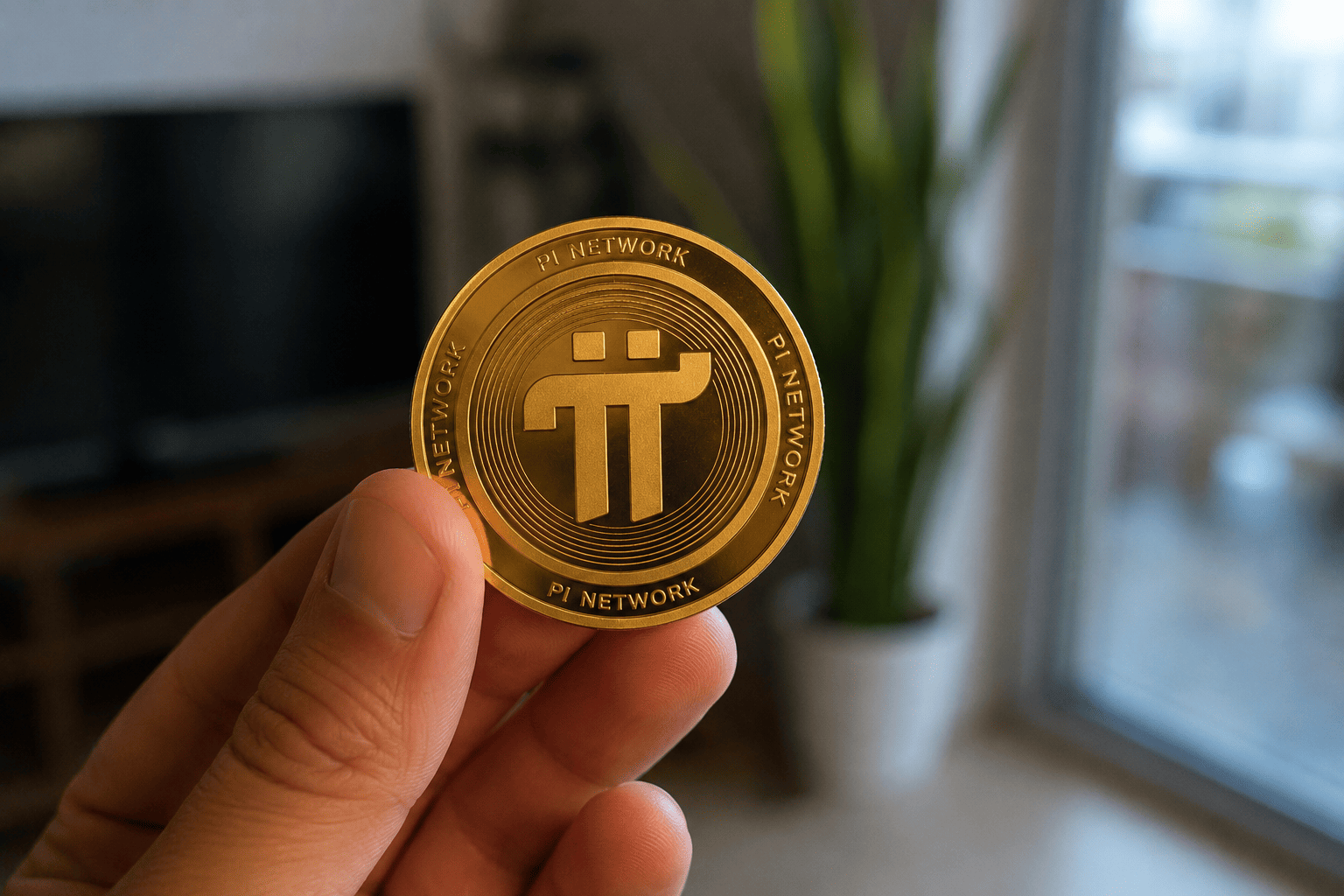
Pi Network's native token has been trading sideways for weeks, and the latest developer updates have failed to spark a rally. As of Tuesday, the asset was hovering around $0.086, roughly 70% below its yearly peak, even after the team rolled out several technical improvements.
Recent upgrades and their impact
On August 14, the developers released Pi Node version 0.6.2, which brought enhancements to SoloHost, node connectivity, and the Pi Desktop user experience. They also completed a distributed computing test via SoloHost, a step that expands the utility of Pi Nodes beyond just supporting the blockchain.

In a separate move, Pi Network introduced an upgraded Pi App Studio that revises how applications are priced. Under the new structure, creators will pay more to build and edit apps. Previously, the cost was 0.25 Pi for creation and 0.25 Pi for edits, with Pi Network subsidizing the difference. Going forward, the platform will only subsidize apps that demonstrate real utility, while other apps will be charged at rates reflecting actual service costs. This means building on the ecosystem will become more expensive, which could deter some developers.
Demand and supply dynamics
Despite these efforts, Pi Network faces significant headwinds. Demand remains tepid, with 24-hour trading volume at just $5.8 million—a 17% decline from the previous day. For a token with a market capitalization of roughly $952 million, that volume is extremely thin.
On the supply side, the circulating supply stands at about 11 billion tokens. The network is set to unlock over 128 million tokens this month and 1.705 billion over the next 12 months. The combination of weak demand and increasing supply typically pressures prices lower over time.
Technical pattern points to risk
On the daily chart, Pi Coin has formed a symmetrical triangle, with the two trendlines converging. This pattern is part of a larger bearish pennant, a classic continuation signal in technical analysis. The token has slipped below its 50-day exponential moving average, indicating that sellers are in control. The Relative Strength Index (RSI) is also trending downward.
If the bearish breakout materializes, the next key support level could be $0.070, the lowest point seen this year. A break below that would open the door to further declines.
For context, other cryptocurrencies have also been consolidating, as seen in XRP's recent slide and the Hang Seng's bullish flag, but Pi's technical setup is notably more bearish.
Investors should monitor whether the token can hold above the $0.070 support, as a decisive break could accelerate selling pressure.
This article is for informational purposes only and does not constitute financial advice.