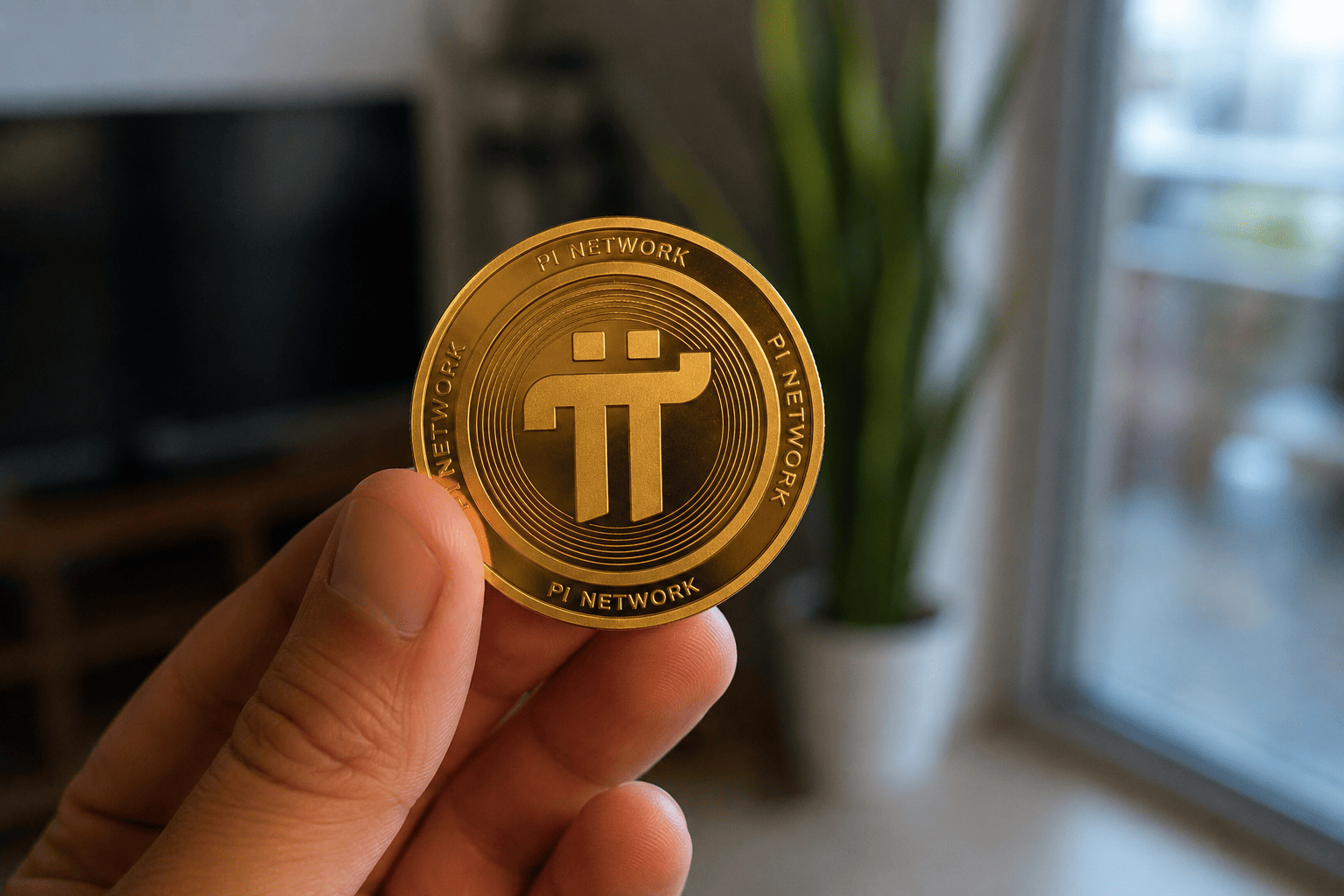
Pi Network (PI) has seen its market capitalization plummet by approximately $18.6 billion from its all-time high, transforming one of the most hyped crypto projects into a textbook fallen angel. The token currently trades near $0.1330, a far cry from its peak of nearly $3, even as the network rolls out significant technical upgrades and secures a listing on a major U.S. exchange.
Catalysts That Failed to Ignite Price
Several bullish developments have failed to reverse Pi Network's downward trajectory. The network has undergone a major upgrade, migrating from Stellar Consensus Protocol v19 to v25, and is on the verge of launching smart contract functionality. This would allow developers to build decentralized applications (dApps) on Pi, positioning it as a competitor to established platforms like Solana and Ethereum.

Ecosystem growth has also been visible. CiDi Games launched on the Pi platform, attracting thousands of players in its first week. Additionally, the team has pivoted toward artificial intelligence, enabling creators to bring vibe-coded applications to the network and working on a KYC-as-a-Service offering that would compete with Worldcoin and Humanity.
Perhaps most notably, Pi Network was listed on Kraken earlier this year, granting access to millions of U.S.-based users. Yet, as detailed in a related analysis on Pi Network's extended losing streak, the token continues to slide.
Why the Price Keeps Falling
The primary culprit is a severe imbalance between supply and demand. Tokenomics data reveals that over 1.4 billion PI tokens are scheduled to unlock in the next 12 months. Meanwhile, 24-hour trading volume languishes below $5 million, according to CoinMarketCap. The Kraken listing has not meaningfully boosted U.S. demand.
This supply overhang is compounded by broader market weakness. Bitcoin and most altcoins have posted double-digit losses this year, dragging PI lower along with them. The token's thin liquidity amplifies the selling pressure.
Centralization concerns also weigh on investor sentiment. Pi Network remains one of the most centralized major crypto projects, with the team making no visible moves toward decentralization. This risk was highlighted by the recent Humanity hack, which exposed vulnerabilities in similar centralized structures.
Skepticism about the network's smart contract ambitions is another factor. Many smart contract platforms, such as IOTA and Monad, have struggled to gain meaningful traction against Ethereum. Investors question whether Pi can overcome these adoption hurdles.
Finally, many early Pi holders appear to have capitulated as the price continued to decline after the mainnet launch last year. Some have rotated into the booming stock market, further reducing demand for the token.
This article is for informational purposes only and does not constitute financial advice.