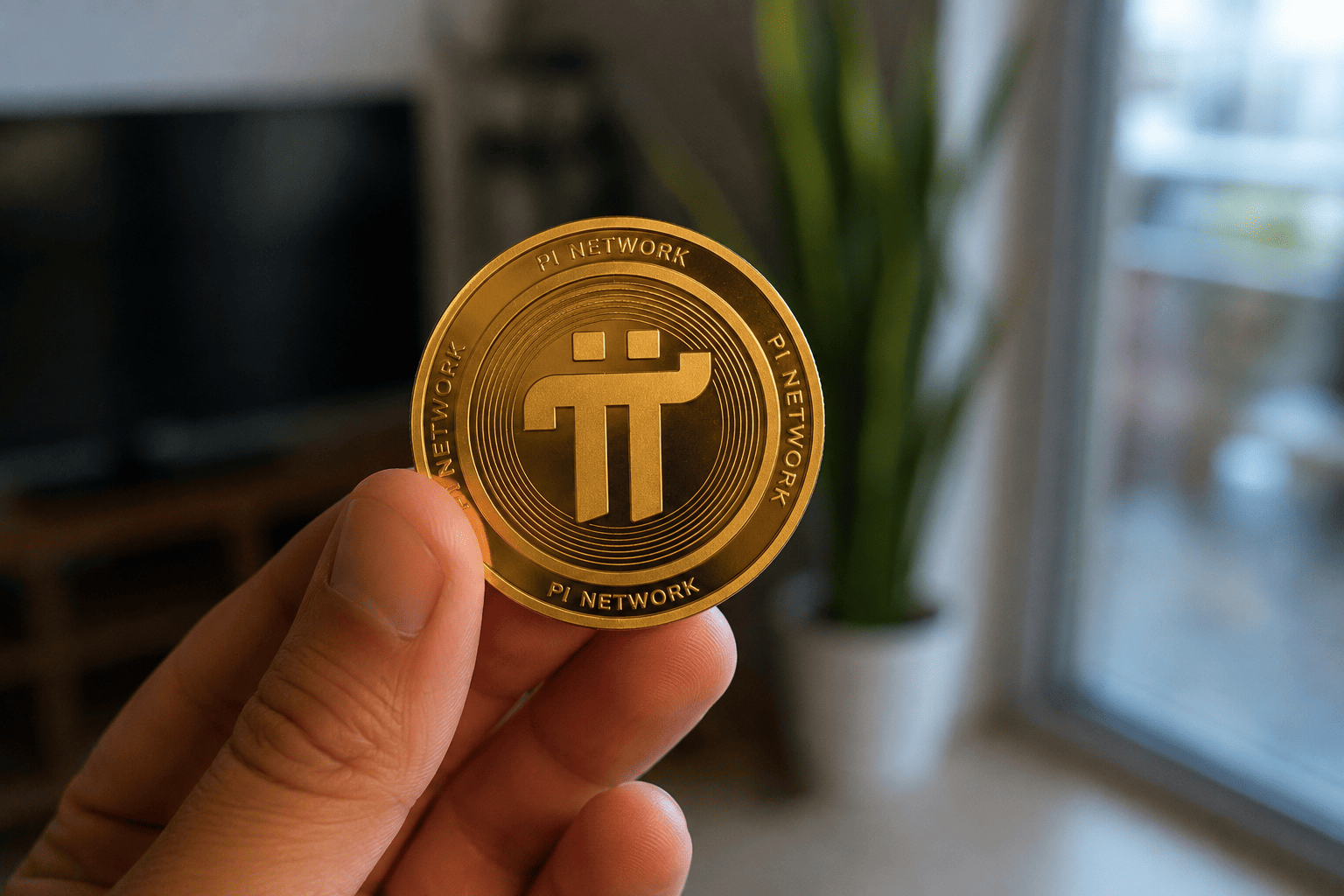
Pi Network's native token has tumbled to an all-time low this month, extending a steep sell-off that began after its mainnet launch earlier this year. The decline has erased nearly $19 billion in market value, even as the project's developers rolled out several key upgrades and listings.
Developments Fail to Stem the Slide
Despite the price collapse, Pi Network achieved notable milestones in the first half of the year. In March, the token was listed on Kraken, marking its first major exchange listing post-mainnet. The team also completed network upgrades aligned with Stellar's latest version, introducing smart contract capabilities that could eventually support decentralized applications (dApps).

During the Pi2Day event in July, the project launched three new products: SoloHost, which enables Pi Desktop and nodes to support local AI and compute applications; Pi Sign-In, a cross-device authentication service; and PiVerify, a human verification tool for third parties. These initiatives aim to expand Pi Coin's utility and compete with platforms like World ID and Humanity Protocol.
Four Factors Behind the Crash
Several headwinds have overwhelmed these positive developments. First, the broader crypto market has been under pressure, with Bitcoin and major altcoins also declining sharply this year. Second, the Kraken listing failed to generate significant demand, with daily trading volume on the exchange below $50,000. Major platforms like Binance, Coinbase, and Bybit have yet to list Pi Coin, limiting access for millions of potential investors.
Third, overall demand has weakened, with 24-hour trading volume across all exchanges under $15 million. This comes as over 1.7 billion tokens are scheduled to unlock in the next 12 months, adding selling pressure. Fourth, many Pi Network investors appear to have capitulated, rotating into equities and other assets amid months of underperformance. This shift mirrors broader ETF outflows from the crypto sector.
Technical Outlook: More Pain Before Potential Recovery
The daily chart shows Pi Coin trading below all major moving averages, with bears firmly in control. The Relative Strength Index (RSI) has fallen below the oversold threshold of 30, and the Stochastic Oscillator is also in oversold territory. The token has broken below key support at $0.1282, with the next target near $0.10.
While a bounce from these levels is possible later in the year as investors rotate back into beaten-down assets, the near-term trend remains bearish. Traders should watch for a sustained move above $0.1282 to signal a potential reversal.
For context, the broader market environment remains challenging, with European stocks hitting new highs as investors favor equities over crypto. Meanwhile, Solana's recent rally shows that selective crypto assets can still attract institutional inflows, but Pi Network has yet to benefit from such momentum.
This article is for informational purposes only and does not constitute financial advice.