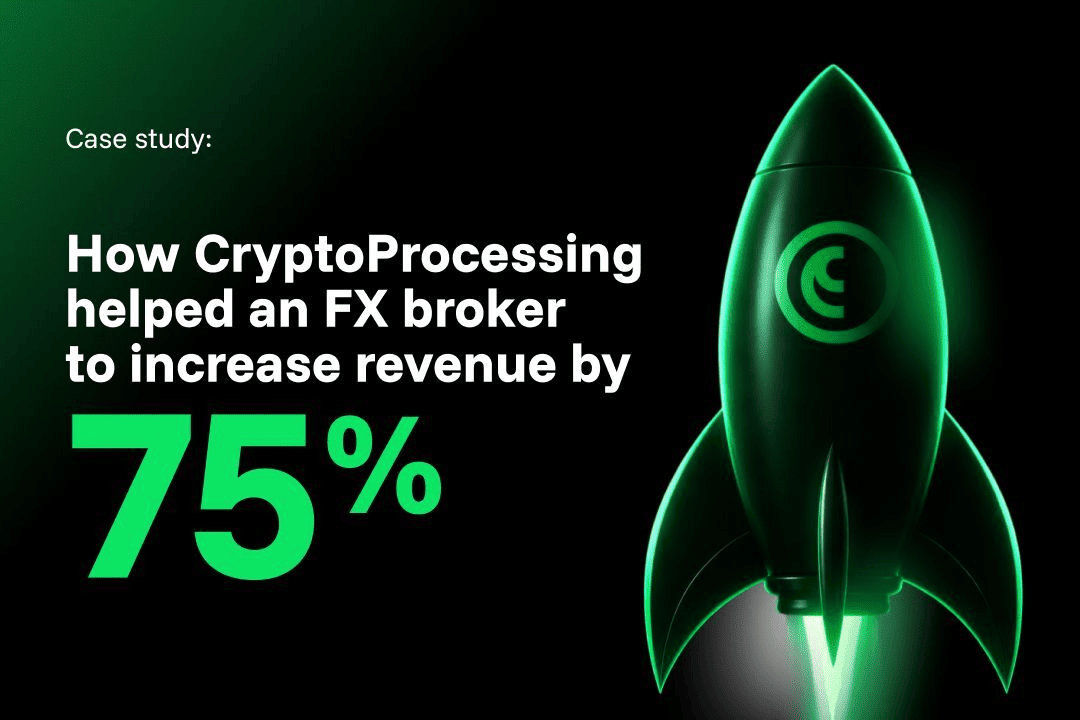
The foreign exchange brokerage industry is undergoing a structural shift as payment system upgrades become a critical driver of growth. According to recent research from CryptoProcessing, 68.72% of analyzed brokers now accept cryptocurrency deposits in 2026, representing a 74.03% year-over-year increase. This trend outpaces traditional payment methods like wire transfers, credit cards, and e-wallets, signaling a fundamental change in how brokers manage client funds.
Payment Performance as a Revenue Driver
For FX brokers, payment processing speed and transparency directly impact revenue. Delayed deposits can prevent clients from executing trades, while slow withdrawals erode trust. Unclear fees generate support tickets and complaints, often leading to account closures. As the forex brokers market expands from $5.28 trillion in 2025 to a projected $8.42 trillion by 2030, payment infrastructure has become a competitive differentiator.
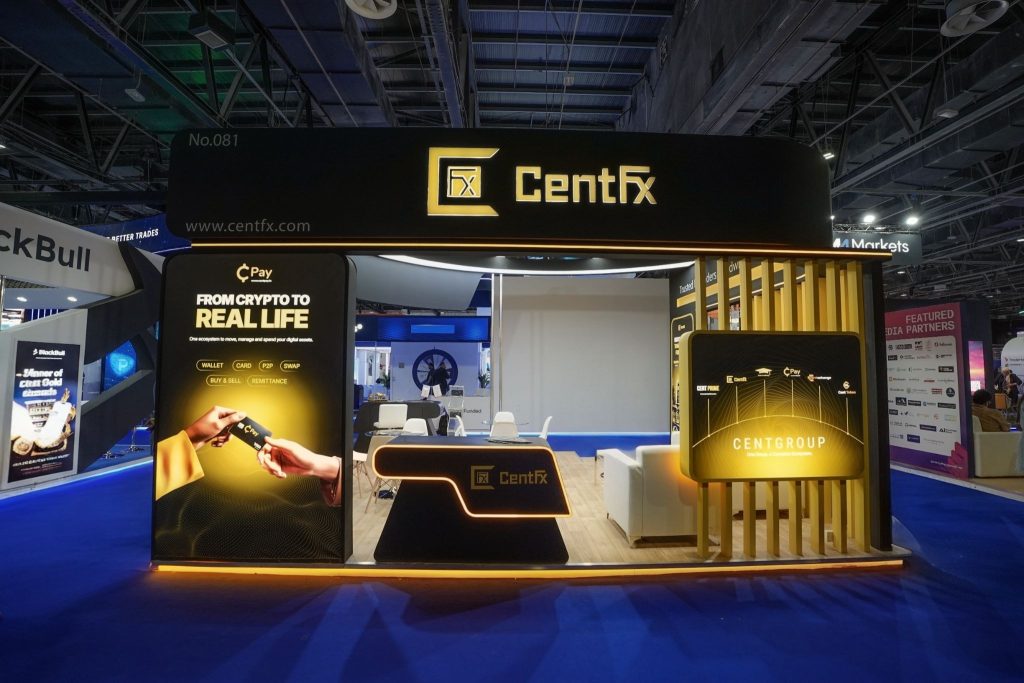
In a recent case study, a multi-asset broker upgraded its crypto payment system with notable results: 75% revenue growth within one year, with approximately 50% of users completing payments in cryptocurrency. The broker reported higher transaction volumes, improved conversion rates, access to new markets, and enhanced client satisfaction.
Speed and Transparency Drive Client Acquisition
Crypto payments enable near-instant cross-border settlement, a critical advantage in the 24/7 FX trading environment. Traders respond to price movements across time zones, and traditional banking hours often create friction. CryptoProcessing freezes exchange rates at the time of payment, reducing price exposure for merchants. For the broker in the case study, faster deposit crediting shortened the path from account funding to active trading, improving both client experience and revenue realization.
Fee transparency also plays a key role. CryptoProcessing's fee model charges 1.5% or less, often two to three times cheaper than traditional methods. This clarity reduces client frustration and support workload, while giving finance teams a clearer view of costs across markets.
Operational Efficiency and Scalability
As brokers expand into new regions, payment volume becomes harder to manage manually. The upgraded system provided faster access to payment search, transfer management, and back-office functions. Lost transaction restoration strengthened reliability, and upcoming address display functionality aims to reduce errors. The broker highlighted 24/7 support and a dedicated account manager as critical for maintaining smooth operations across global markets.
Broader Market Context
The shift toward crypto payments aligns with broader trends in digital asset adoption. For context, stablecoins now dominate 73% of European crypto card payments, reflecting a move from speculative trading to everyday use. Meanwhile, Bitcoin's recent dip below $63K highlights ongoing volatility that brokers must navigate.
Key Takeaways for FX Teams
For senior FX teams, the case study underscores that payment systems should be measured as revenue systems. Key metrics include deposit completion rates, payout speed, fee transparency, transaction volume, support workload, and market reach. While cards, wires, e-wallets, and local payment methods remain important, crypto integration is proving to be a powerful growth lever.
This article is for informational purposes only and does not constitute financial advice.