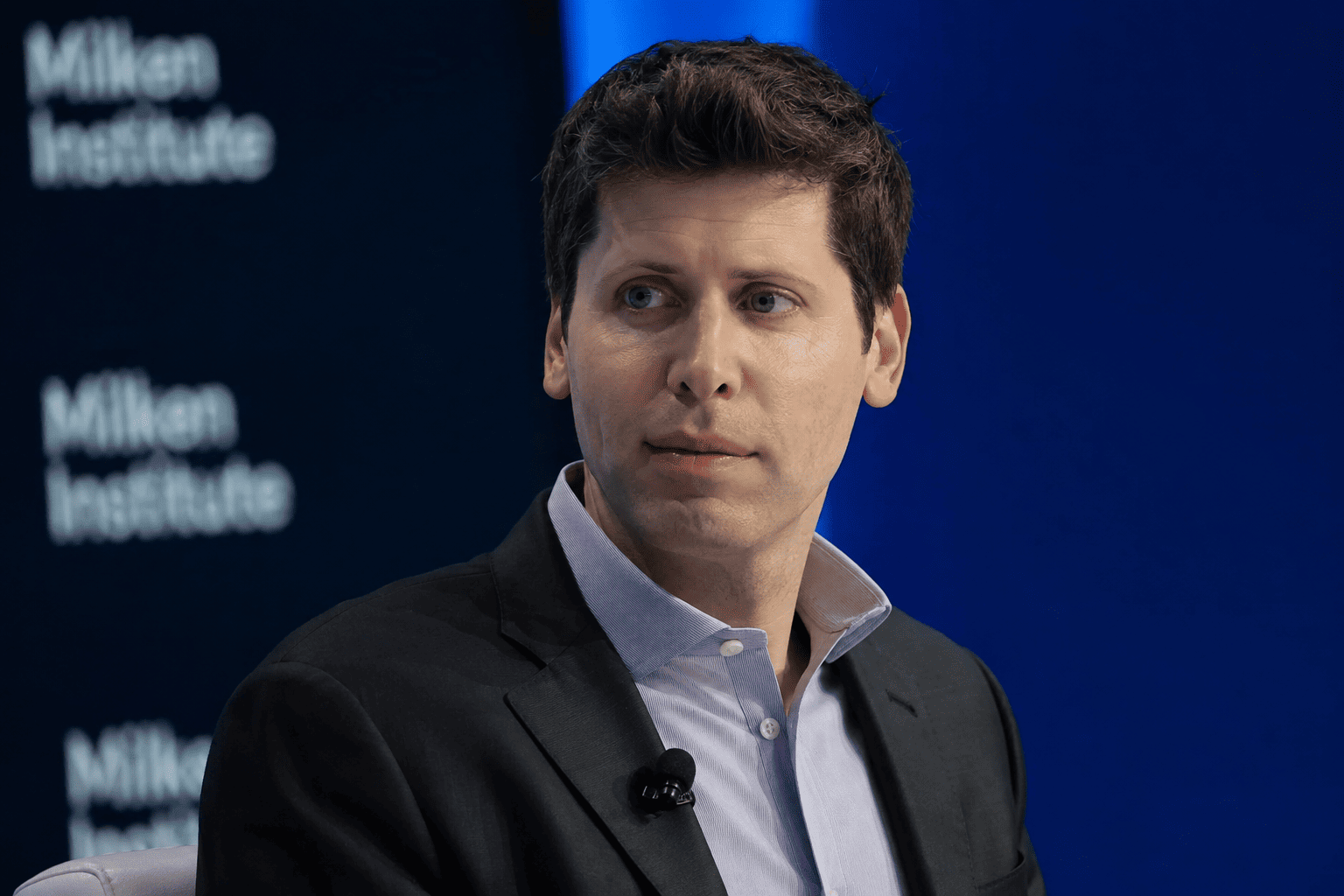
OpenAI's annualized revenue is approaching $50 billion, according to financial documents shared with investors, a figure that falls roughly $20 billion short of the $70 billion run rate reported by several media outlets in late September. The discrepancy highlights the challenges investors face in gauging the true pace of demand for artificial intelligence services as they closely monitor revenue growth at OpenAI and rival Anthropic.
The annualized revenue figure, which extrapolates current monthly or quarterly revenue over a full year, has become a key metric for assessing AI demand and is closely tied to the massive infrastructure spending underpinning the sector. OpenAI told investors that its revenues were nearing $50 billion on an annualized basis at the end of September, according to the Financial Times.

The gap between the $50 billion and $70 billion figures stems from differences in how OpenAI and Anthropic calculate annualized revenue, according to a person familiar with the matter. Anthropic includes revenue generated through cloud partners such as Amazon Web Services and Google Cloud, while OpenAI does not include those sales in its calculation.
Investors in OpenAI have attempted to "gross up" the company's annualized revenue to make it directly comparable with Anthropic's, which contributed to the higher reported figures. Those efforts led to reports in August that OpenAI's annualized revenue had reached $40 billion. The company has since told investors that its revenues have grown more than 70%, which contributed to the subsequently reported $70 billion figure.
OpenAI plans $30B funding round as IPO is delayed
The revenue figures come as OpenAI seeks fresh capital following its decision to push back plans for an initial public offering. Bloomberg reported last week that the company aims to raise at least $30 billion in a new funding round, targeting a valuation of around $1.4 trillion, excluding the money raised. OpenAI most recently raised $122 billion in March at a valuation of $852 billion, including the money raised.
The latest funding is intended to act as a bridge round and provide additional capital instead of an IPO, according to the report. OpenAI and Anthropic are competing to attract business customers and increase revenue ahead of potential public listings. Both companies have filed confidential paperwork to go public, with Anthropic potentially listing its shares as soon as this fall.
OpenAI Chief Executive Officer Sam Altman recently said the company would not go public this year, citing the need to navigate heightened concerns around AI safety without the pressure of being a newly public company. "We just want to get our feet under us," Altman said in an interview with Bloomberg TV, adding that he believes investors will be "patient" with OpenAI's IPO planning.
OpenAI continues to expand AI products and subscriptions
Despite the revenue reporting discrepancy, OpenAI continues to expand its product offering and compete in the growing market for AI agents. The company recently unveiled Dots, an always-on AI agent designed to compete with products such as Meta's Muse. OpenAI has also introduced a new $500 subscription tier with higher usage limits and faster processing speeds, while reducing some usage limits for its $200 plan.
The company has also sought to sharpen its product focus, with renewed momentum around tools designed to streamline coding and other work. At the same time, OpenAI faces increasing scrutiny over the potential risks associated with advanced AI systems, including cybersecurity concerns. The company has also been working through additional safety requirements as AI capabilities advance.
This article is for informational purposes only and does not constitute financial advice.

