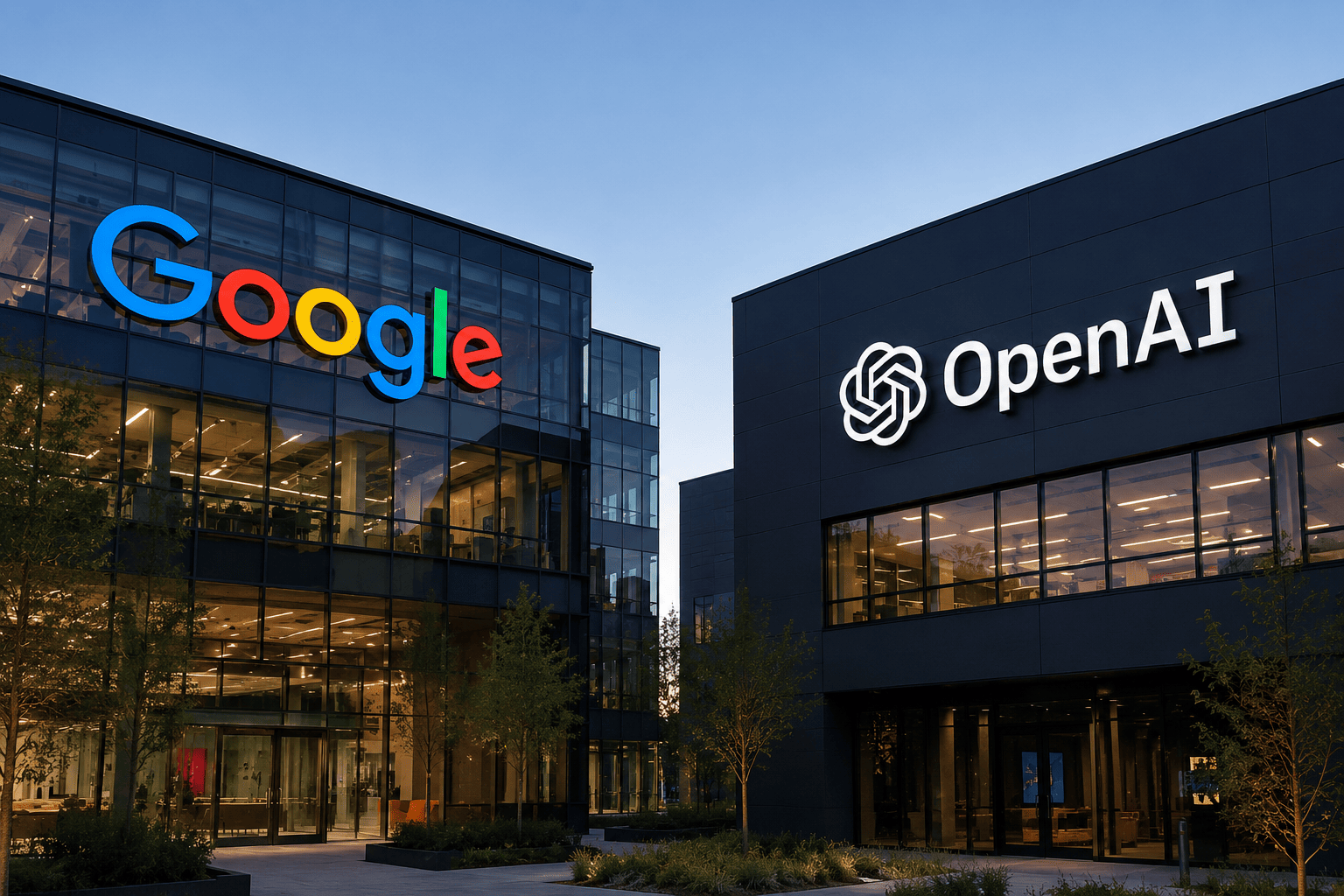
OpenAI and Google have confirmed that they provided advanced artificial intelligence services to Singapore-based subsidiaries of Alibaba, Baidu, and Tencent—companies the US government has linked to China's military. The disclosures have reignited debate over whether Washington should tighten export controls on frontier AI models, beyond existing semiconductor restrictions.
The companies told the Financial Times that the services were delivered legally through overseas entities. However, critics argue the arrangements expose a gap in US efforts to limit China's access to cutting-edge AI technologies. OpenAI suspended API access for Alibaba-affiliated users last month over suspected misuse, specifically distillation—a process where developers use outputs from advanced models to improve competing systems. An OpenAI spokesperson confirmed the activity was reported to US authorities.
OpenAI stated it does not permit access to its models from within China but allows some Chinese-owned or headquartered companies to use its tools in countries where it can enforce safeguards and monitor for distillation risks. The company added, "We would rather see more of the world using AI shaped by democratic values than AI controlled by autocratic governments."
While the transactions remain legal, they have prompted renewed calls for Washington to impose tighter controls on advanced AI models, similar to restrictions on high-end AI chips. The US government has introduced controls covering individual frontier models, including Anthropic's Mythos and Fable, as well as OpenAI's GPT-5.6. However, current regulations do not broadly prohibit Chinese-headquartered companies from accessing advanced AI software, even those on the Pentagon's 1260H blacklist of entities allegedly tied to the People's Liberation Army.
Google said its AI services remain available in Hong Kong and Singapore, subject to usage policies that include restrictions against distillation. The company noted that geographic sales restrictions alone are insufficient to eliminate distillation risks, as sophisticated users can circumvent location-based controls.
Anthropic has adopted a more restrictive approach, prohibiting Chinese companies and foreign entities they own from using its advanced AI models. The company acknowledged enforcement challenges but said it recently closed loopholes that allowed some Chinese firms to bypass safeguards. Anthropic has previously accused Chinese AI developers DeepSeek, Moonshot, and MiniMax of engaging in distillation. Last month, it told Congress that Alibaba allegedly used 25,000 fraudulent accounts to generate over 28.8 million exchanges with Claude, violating its terms of service.
The policy debate comes amid broader tensions over AI technology transfer. As Chinese AI models gain traction in US enterprises, the line between legitimate business operations and national security risks continues to blur. Investors should monitor potential regulatory shifts that could impact AI companies with cross-border exposure.
This article is for informational purposes only and does not constitute financial advice.