Nvidia (NVDA) shares edged higher on Wednesday, holding above the psychologically important $200 level as investors weigh valuation support, robust shareholder returns, and surging black market prices for its AI chips in China. The stock has largely maintained this level since breaking out of its previous range in April, despite a broader semiconductor-sector selloff that has weighed on the PHLX Semiconductor Index.
Valuation and Buybacks Provide Downside Support
Nvidia currently trades at a forward price-to-earnings ratio of 19.34 times, slightly below the S&P 500 average of 20.77 times, according to FactSet. This relative discount may attract value-oriented investors, potentially limiting further downside. The company is also returning approximately 50% of its free cash flow to shareholders through dividends and buybacks. Based on expected free cash flow of $195.35 billion in 2026, that could mean more than $97 billion returned to investors this year.

Year to date, Nvidia shares are up 7.3%, significantly lagging the roughly 90% gain in the PHLX Semiconductor Index. However, technical signals suggest the stock has found support around $200, with dips below that level quickly reversed in recent months.
China Black Market Prices Signal Constrained Demand
According to a Financial Times report, prices for Nvidia’s AI chips on China’s black market have more than doubled over the past six months. The DGX B300 server, containing eight Blackwell graphics processing units, now sells for over 8 million yuan ($1.1 million), up from around 4 million yuan. In the U.S., the same system typically costs about $400,000. Similarly, the RTX 6000 Pro workstation chip has risen from roughly 50,000 yuan to as much as 130,000 yuan.
These price surges come amid tighter U.S. enforcement of export controls on advanced semiconductors. In March, a Supermicro co-founder, along with a Taiwan-based employee and a contractor, was charged with allegedly smuggling $2.5 billion worth of Nvidia AI servers to Chinese customers in what is described as the largest U.S. enforcement case related to AI chip exports.
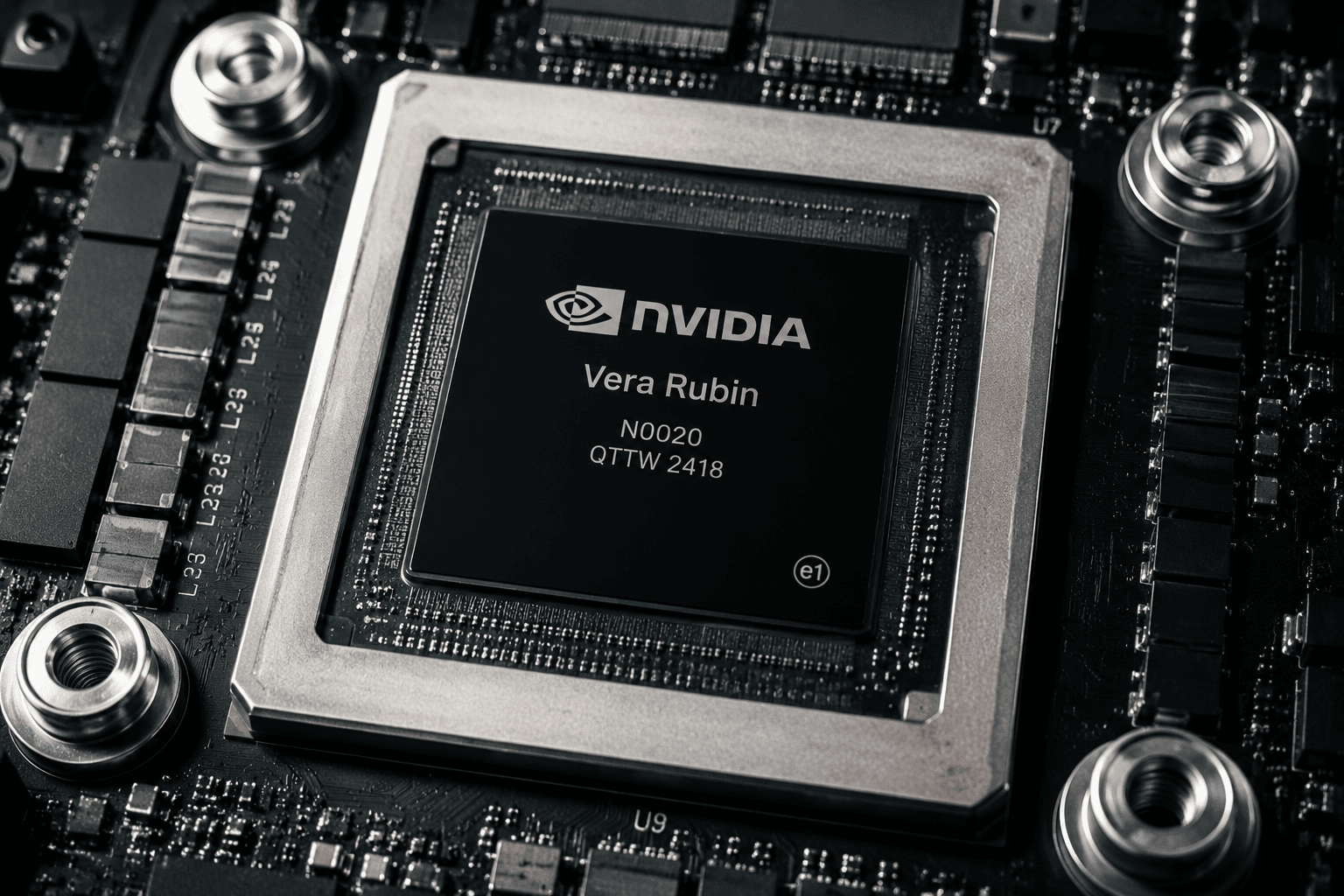
While the black market pricing cannot be directly monetized by Nvidia, it underscores real, constrained demand for its Blackwell-era hardware despite export restrictions. This dynamic should help protect Nvidia’s revenue and margins as the company approaches the rollout of its next-generation Vera Rubin chips, expected in the second half of the year.
Product Cycle and Market Outlook
Investors are closely watching Nvidia’s product cycle developments. The company will need to demonstrate continued dominance in AI hardware to drive the next leg higher. The Vera Rubin rollout is a key catalyst, but market participants caution that a sustained breakout depends on official results confirming demand trends, rather than gray-market pricing signals.
For context on broader market dynamics, see our coverage of Nasdaq Futures Drop 290 Points as Chip Stocks Slide on Iran Oil Shock and Taiwan Central Bank Warns of AI Overinvestment Risk to Nvidia's Growth.
Nvidia’s relative underperformance versus the semiconductor sector may present an opportunity for investors seeking relative value, but the stock’s trajectory remains tied to product cycle momentum and the ability to monetize AI demand amid geopolitical headwinds.
This article is for informational purposes only and does not constitute financial advice.