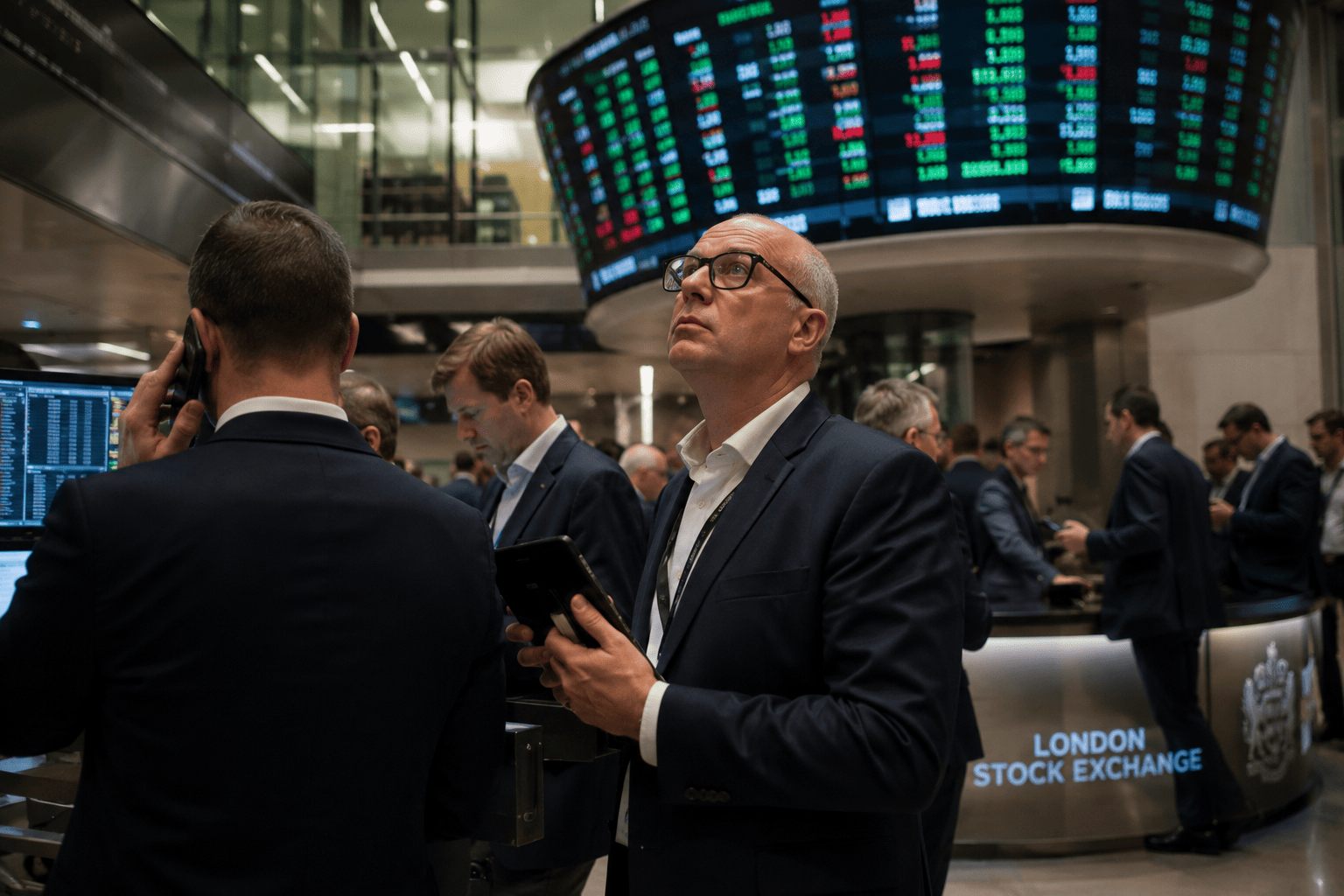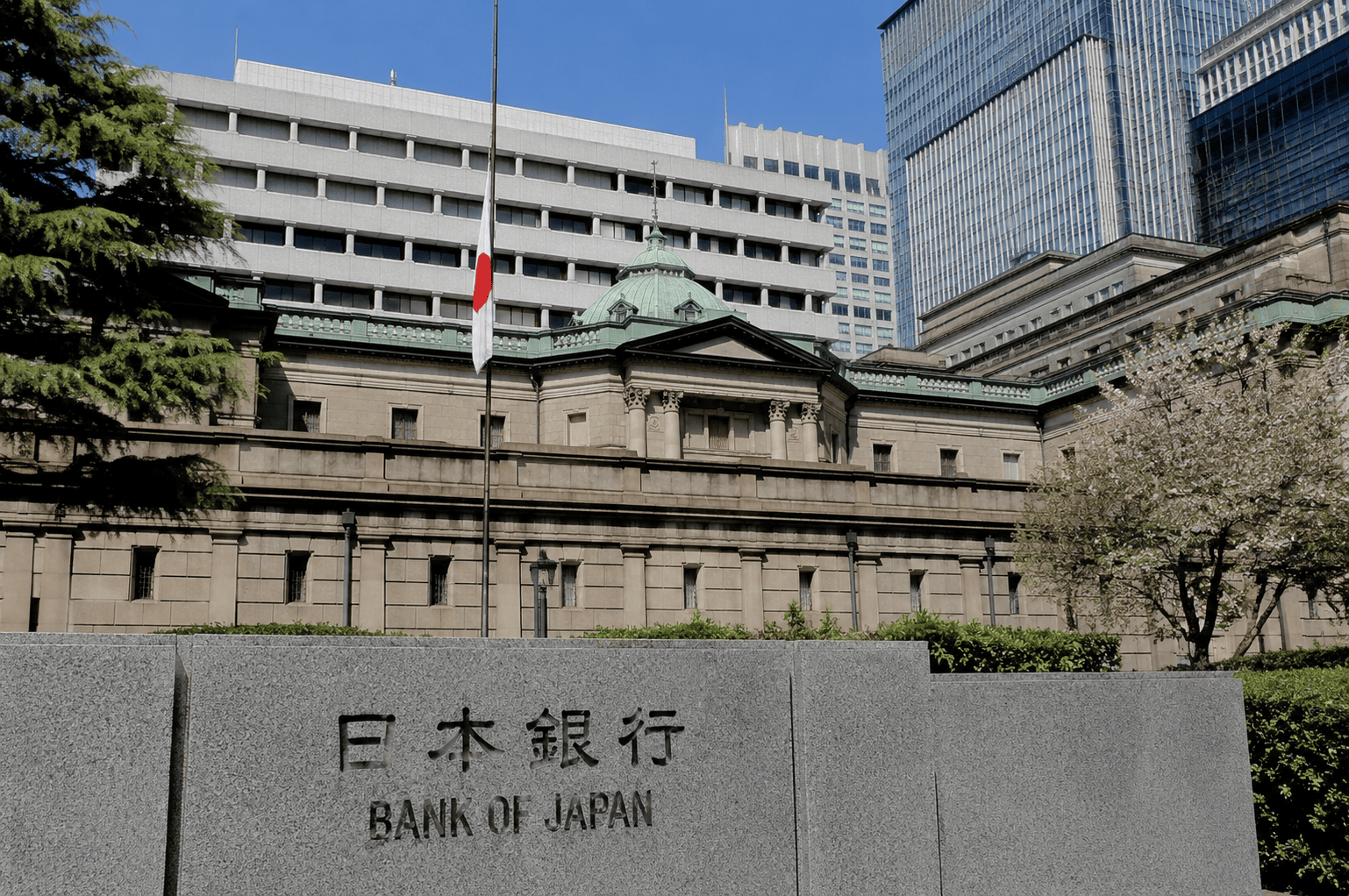
The Nikkei 225 Index extended its remarkable rally this week, reaching ¥69,245 after the Bank of Japan (BoJ) raised its benchmark interest rate to 1% on June 16 — the highest level since 1995. The index has surged approximately 80% over the past 12 months and 35% year-to-date, outperforming major US benchmarks such as the Nasdaq 100 and S&P 500.
The rally was fueled by two key catalysts: the BoJ's widely anticipated rate hike and a geopolitical breakthrough between the US and Iran. The two nations signed a memorandum of understanding aimed at ending the conflict that began on February 28. This development pushed crude oil prices lower, with Brent falling to $83 and West Texas Intermediate slipping to $80. Natural gas and shipping costs also declined this week.

BoJ Rate Hike: A Calculated Move
The BoJ's decision to raise rates by 25 basis points to 1% marks its first hike since December last year. The central bank is acting to contain elevated inflation, which has been driven by rising wages and ongoing geopolitical tensions. A report due Friday is expected to show headline CPI rose from 1.4% in April to 1.6% in May, with core inflation likely following a similar trajectory.
Another key objective of the rate hike is to stem the yen's depreciation. The USD/JPY pair remains stuck near the critical 160 level, just below its all-time high of 160.70. By making the yen more attractive to investors, the BoJ hopes to stabilize the currency.
Japanese equities responded positively to the rate hike, partly because it was in line with market expectations. However, the US-Iran deal provided a stronger immediate catalyst, reducing risk premiums and boosting investor sentiment.
Risks and Next Catalysts
Despite the rally, risks remain. Israel has strongly opposed the US-Iran agreement, with Prime Minister Benjamin Netanyahu and other top officials vowing to continue military operations against regional adversaries, including Hezbollah and Hamas. Any escalation could draw Iran into a broader conflict, potentially pulling the US back into the war and reversing the recent decline in oil prices.
The next major catalyst for the Nikkei 225 is the Federal Reserve's interest rate decision on Wednesday. Economists widely expect the Fed to hold rates steady in the 3.5%–3.75% range. A dovish stance could further support risk assets, including Japanese equities.
For context, the Nikkei 225 recently experienced a 2.8% plunge amid a chip rout, but the index has since recovered strongly. Meanwhile, the Kospi Index has surged 15% from its lows, led by tech giants Samsung and SK Hynix, reflecting broader regional strength.
Technical Analysis: Bullish Signals Intact
From a technical perspective, the Nikkei 225's daily chart shows a sustained uptrend. The index broke above the key resistance level of ¥69,238 on Monday, invalidating a potential double-top pattern. The 100-day exponential moving average (EMA) continues to provide support, indicating that bulls remain in control. The Relative Strength Index (RSI) is approaching the overbought threshold of 70, suggesting momentum is strong but not yet extreme.
The path of least resistance points to further upside, with the next target at ¥70,000. A drop below the critical support level of ¥68,000 would negate the bullish outlook and signal a potential reversal.
Investors should also monitor the BTIG warning that the SOX index is flashing a 'severe' correction risk of up to 17%, which could spill over into Asian markets if realized.
This article is for informational purposes only and does not constitute financial advice.