Shares of major neocloud providers CoreWeave, Nebius, and Iren declined in premarket trading on Monday after Elon Musk warned that more than 200 firms in the sector could face failures and consolidation as access to financing tightens. Iren shares fell roughly 3%, CoreWeave dropped around 5%, and Nebius declined more than 2%.
The latest losses add to a sharp sell-off in AI infrastructure stocks as investors reassess the cost of building data centres and the debt required to fund their expansion. Musk, CEO of SpaceX and Tesla, said in a post on X on Sunday that debt markets have "almost entirely shut off access to money for any company that doesn’t have substantial revenue independent of AI data centers." He added that the 200+ neoclouds are going to see "guppy-level death and consolidation," with only a few surviving.
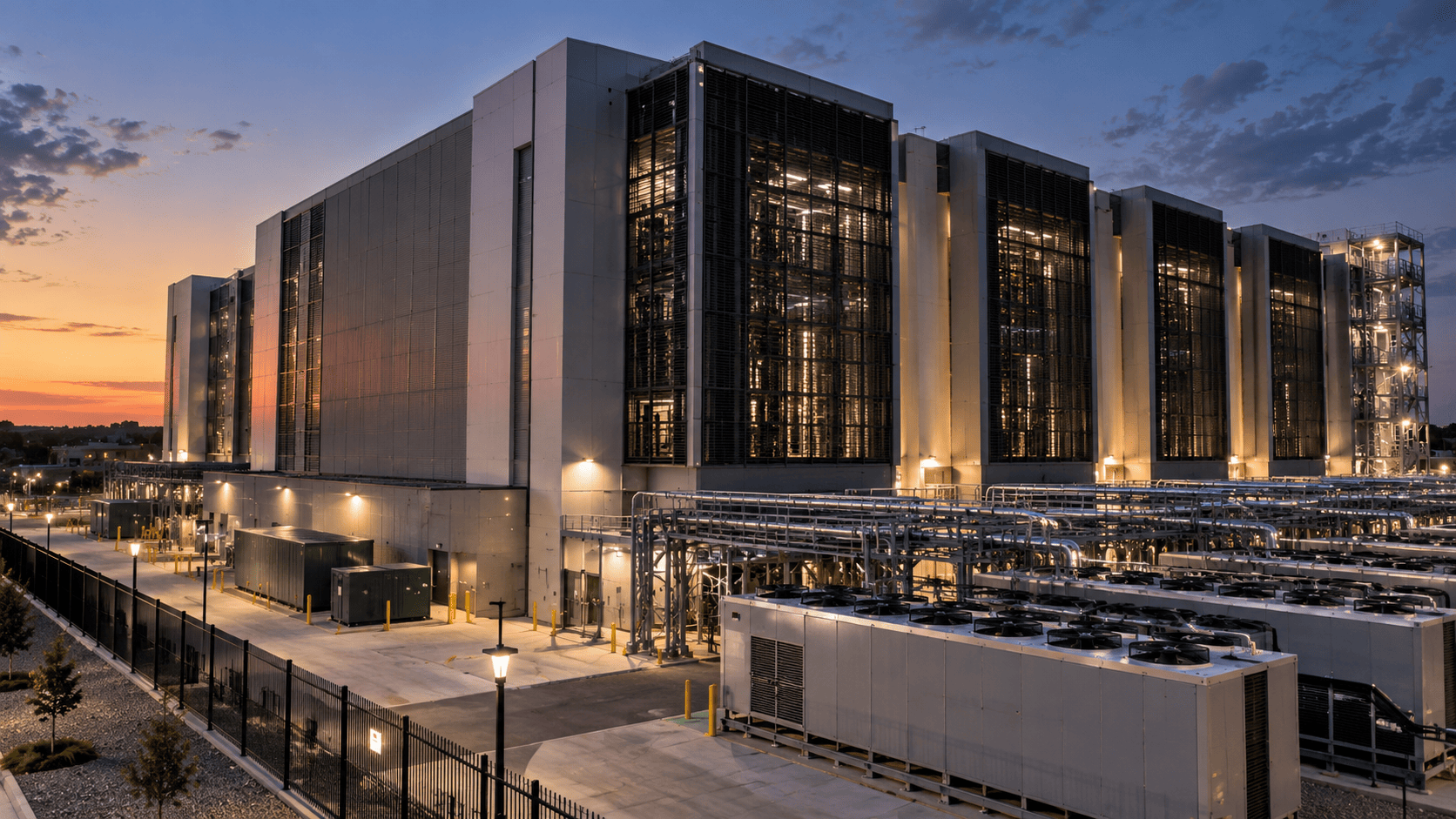
Neocloud providers rent computing capacity, including access to graphics processing units (GPUs), to companies developing and deploying AI models. Their growth has been fuelled by surging demand for computing power, but the capital-intensive nature of the business has left many providers reliant on external financing. The pressure has been particularly severe for publicly traded companies.
The sell-off gathered momentum earlier this month after spreads on CoreWeave's five-year credit default swaps reached levels generally associated with financial distress. Yields on the company's bonds also climbed, reflecting growing investor concern about its borrowing costs and ability to finance its expansion. Gartner research indicated that 80% of neocloud providers would most likely cease independent operations by 2030.
CoreWeave has lost around 36% over the past month, while Nebius has fallen more than 31%. Iren has declined approximately 40% over the same period. Investors are increasingly questioning whether companies can generate sufficient cash flow from AI computing services to justify their substantial spending on Nvidia chips, data centres, and supporting infrastructure.
CoreWeave has become a focal point of these concerns because of the scale of its financing commitments. The company has raised more than $35 billion this year through chip-backed loans, high-yield bonds, convertible bonds, and share sales. Its debt and lease obligations totalled approximately $52 billion at the end of June. However, the company has substantial contracted demand, with a revenue backlog of approximately $104 billion and more than $25 billion in new customer commitments added early in the third quarter.
Nvidia CEO Jensen Huang offered a more constructive view of demand last week, telling CNBC that "the demand for the neo clouds is off the charts," but acknowledged that financing is becoming a constraint. "What is missing in the middle is the working capital to fuel that growth… because there’s just so much demand across so many sectors of AI, there’s a scarcity of capital," Huang said.
Analysts remain divided on which companies will survive the consolidation. Milk Road AI analyst Melvin agreed with Musk's broader assessment that most neocloud companies would not survive, but said Nebius, CoreWeave, and Iren would make it through. Nebius has sought to distinguish its funding model, with Chief Revenue Officer Marc Boroditsky telling CNBC that the company was less exposed to market pressures because it did not carry the same kind of debt as CoreWeave, relying instead on equity raises, convertible offerings, and upfront customer payments.
This article is for informational purposes only and does not constitute financial advice.