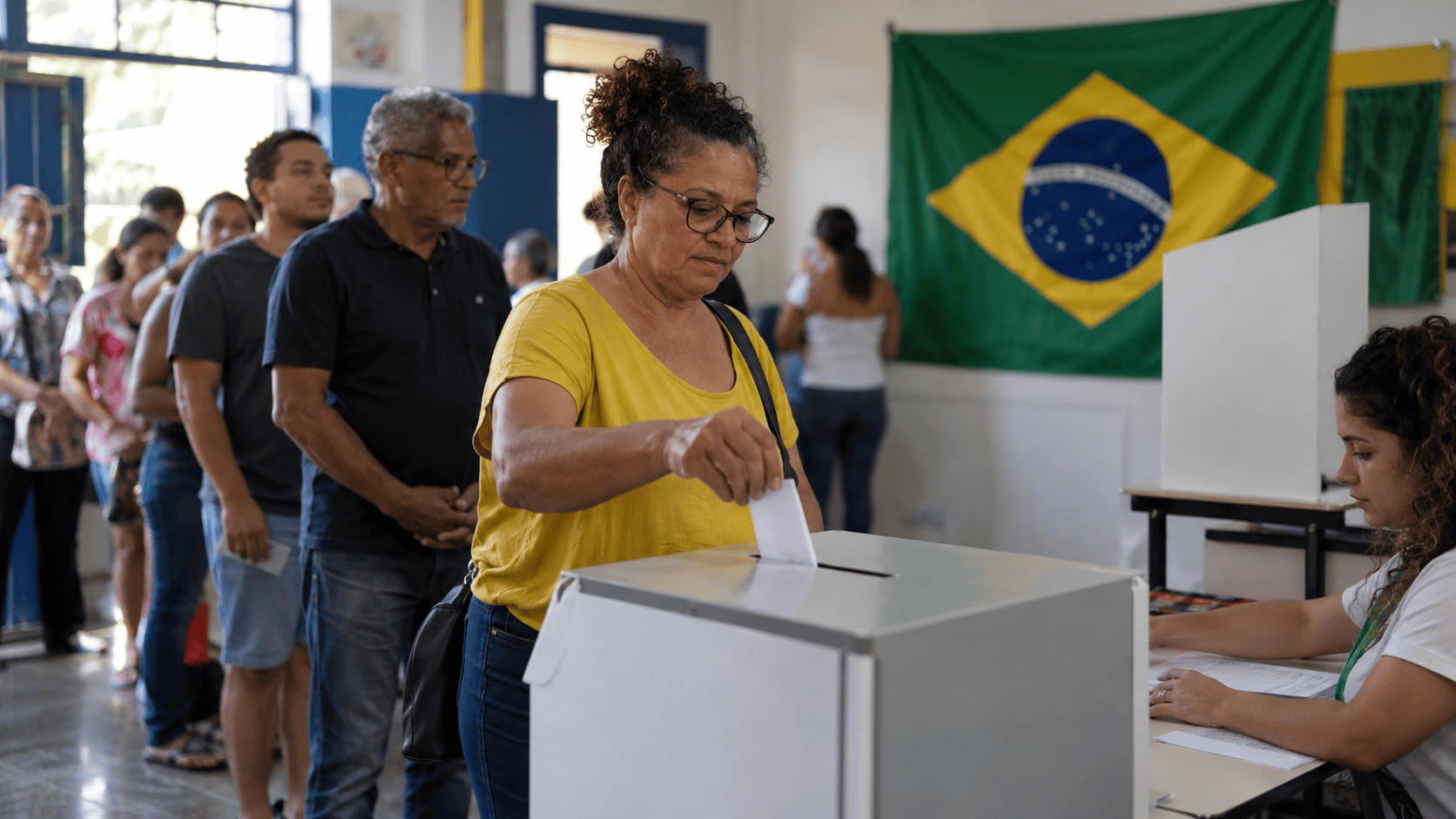
Brazilian equities took a sharp hit on Monday after Luiz Inácio Lula da Silva secured a fourth presidential term, defeating Flávio Bolsonaro by a narrow margin of 51.8% to 48.2% in Sunday's runoff. The result, which marked the first time a candidate has won a runoff after trailing in the first round since direct elections resumed in 1989, caught many investors off guard. Bolsonaro has yet to concede, adding to political uncertainty.
The market reaction was swift: the iShares MSCI Brazil ETF plunged nearly 20% overnight, and real futures lost about 10%. The Ibovespa had closed at a record high on October 5 following Bolsonaro's first-round lead, reflecting investor hopes for continued austerity and market-friendly policies. Lula's victory has raised concerns about increased state intervention and fiscal expansion.

Despite the broad selloff, three Brazilian heavyweights appear better positioned than the index to weather the storm: Petrobras (PBR), Vale (VALE), and Itaú Unibanco (ITUB). Each faces distinct challenges but also possesses underlying strengths that could support a recovery.
Petrobras: Dividend Support vs. Policy Risk
Petrobras shares tumbled roughly 17% on Monday as investors priced in a state-controlled company that may face pressure to increase domestic investment and cap fuel prices. Analysts have flagged that domestic fuel prices sit below international levels, a gap that favors consumers over shareholders. However, the company has recently approved R$17.4 billion in second-quarter dividends, payable in two installments in November and December, and its 2026-2030 plan promises $45 billion to $50 billion in ordinary dividends. Output also reached a record 3.34 million barrels of oil equivalent per day in the second quarter.
The key risk remains potential government intervention in fuel pricing or a dividend cut, which would undermine the investment case. Yet, the robust dividend pipeline and operational efficiency provide a buffer.
Vale: Currency Tailwind and Cost Pressures
Vale shares gained 6% in trading, bucking the broader trend. The miner benefits from a weaker real, as iron ore is sold in dollars while a significant portion of its costs are in reais. However, a weaker real, along with higher diesel and freight charges, drove an 18% rise in second-quarter all-in iron ore costs to $61.60 per ton. Pro forma EBITDA rose 19% to $4.1 billion, and net debt stood at 0.8 times EBITDA.
Itaú BBA noted in August that Vale shares traded at 4.2 times 2026 enterprise value to EBITDA, suggesting attractive valuation. The swing factors remain iron ore prices, which have corrected recently, and Chinese demand.
Itaú Unibanco: Capital Strength Amid Fiscal Fears
Itaú Unibanco fell about 24% in trading, a drop far exceeding the real's decline, as investors priced in potential fiscal deterioration. However, the bank's latest financials paint a resilient picture: second-quarter recurring net income of R$12.4 billion, up 7.8% year-over-year; a 24.3% return on equity; a 12.3% core capital ratio; and delinquency on the expanded portfolio steady at 1.9%. Cost of credit has held at 2.7% of the portfolio since early 2025.
The central risk is that higher sovereign yields and the unwinding of rate-cut bets could raise credit costs and slow loan growth. But the bank's strong capital position gives it room to absorb such shocks, and the current share price already reflects significant pessimism.
Investors should monitor policy signals from Lula's administration, particularly regarding fiscal discipline and state intervention in key sectors. While these three stocks offer potential upside, they are not immune to broader macroeconomic and political risks.
This article is for informational purposes only and does not constitute financial advice.