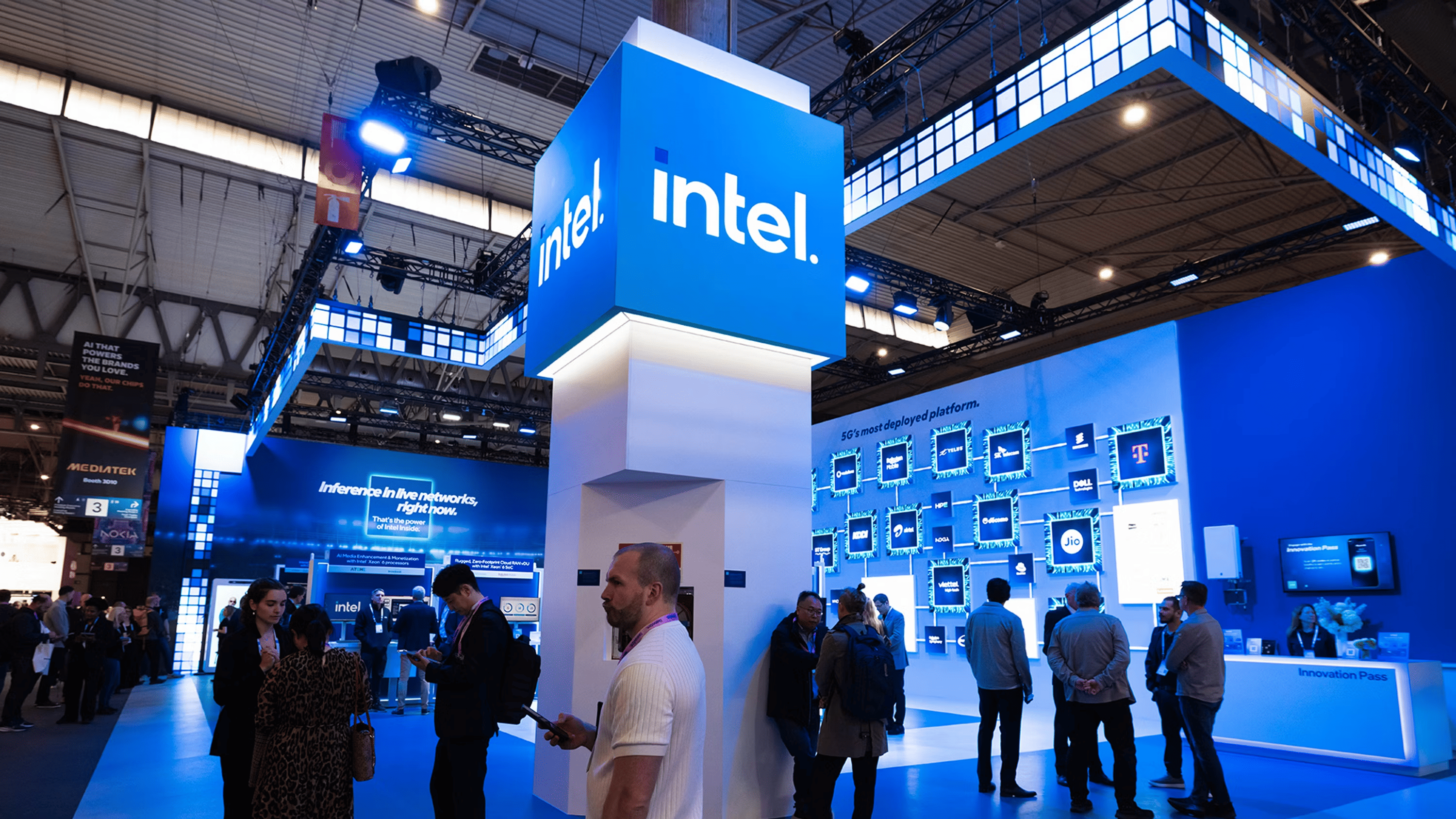
Intel (NASDAQ: INTC) shares dropped approximately 6% on Thursday, trading near the $100 mark, as a broader market selloff triggered by rising oil prices and climbing Treasury yields put an end to the stock's five-session rally. The decline comes after Intel had surged more than 20% during that winning streak, driven by reports of a potential CPU price hike and optimism around AI-driven demand.
The Dow Jones Industrial Average fell 195 points (0.4%), while the S&P 500 declined 0.6% and the Nasdaq Composite dropped 0.9%. The selloff was fueled by a renewed spike in crude oil prices, with West Texas Intermediate futures for October delivery climbing above $100 a barrel and Brent crude for November delivery rising above $105, as the US-Iran conflict extended into its seventh month. The energy surge pushed the 10-year Treasury yield above 4.9%, its highest level since November 2023, intensifying pressure on high-beta technology and semiconductor stocks that have led much of the recent market rally.

Intel's rally loses momentum
Thursday's decline marks a sharp reversal for Intel, which had been on a tear following a report from Taiwan-based DigiTimes that the company was considering raising CPU prices by about 10% starting in early October. That potential increase would extend a series of price hikes initiated at the end of 2025, as Intel grapples with higher supply-chain costs and robust demand for its products. The recent gains, however, have proven sensitive to the macroeconomic backdrop, with Thursday's selloff highlighting the fragility of the rally.
Piper Sandler sees AI-driven CPU demand but flags valuation
Piper Sandler initiated coverage of Intel on Wednesday with a Neutral rating and a $110 price target. The firm noted that Intel is benefiting from the emergence of agentic AI, which is driving demand for its server CPU products. Piper expects supply to remain constrained, with the supply-demand balance potentially not normalizing until 2029 or 2030. However, the firm's focus is on Intel Foundry and whether the company can catch up in its 14A manufacturing process.
Piper said customer evaluations of Intel's 14A technology have been surprisingly positive, and management has made progress in rebuilding the company's culture, products, and customer trust. That progress could provide a foundation for Intel's longer-term foundry ambitions, but Piper believes much of the potential improvement is already reflected in the stock price. The firm estimates that shares are already pricing in approximately 15% foundry market-share gains, which would represent a full fab module (Fab-62) and accounts for roughly 45% of Intel's current share price.
Earlier this week, Northland analyst Gus Richard upgraded Intel to Outperform from Market Perform, citing what he described as "material progress" in the company's turnaround. Richard also said Intel could continue benefiting from an ongoing server CPU shortage and that the company's partnership with Tesla on the Terafab semiconductor initiative could "materially benefit" its foundry business.
The recent volatility in Intel shares underscores the broader market's sensitivity to interest rates and energy prices. As Treasury yields spike and oil climbs, high-multiple tech names remain vulnerable. Investors will be watching whether Intel can sustain its momentum amid these headwinds, especially as the company navigates its turnaround and foundry ambitions.
For context, Intel's recent surge was partly fueled by reported CPU price hikes, which could support margins. However, the stock's valuation remains a point of debate, with Piper Sandler cautioning that much of the potential upside is already priced in. The broader chip sector has also been volatile, as seen in recent slides in Intel and AMD.
This article is for informational purposes only and does not constitute financial advice.

