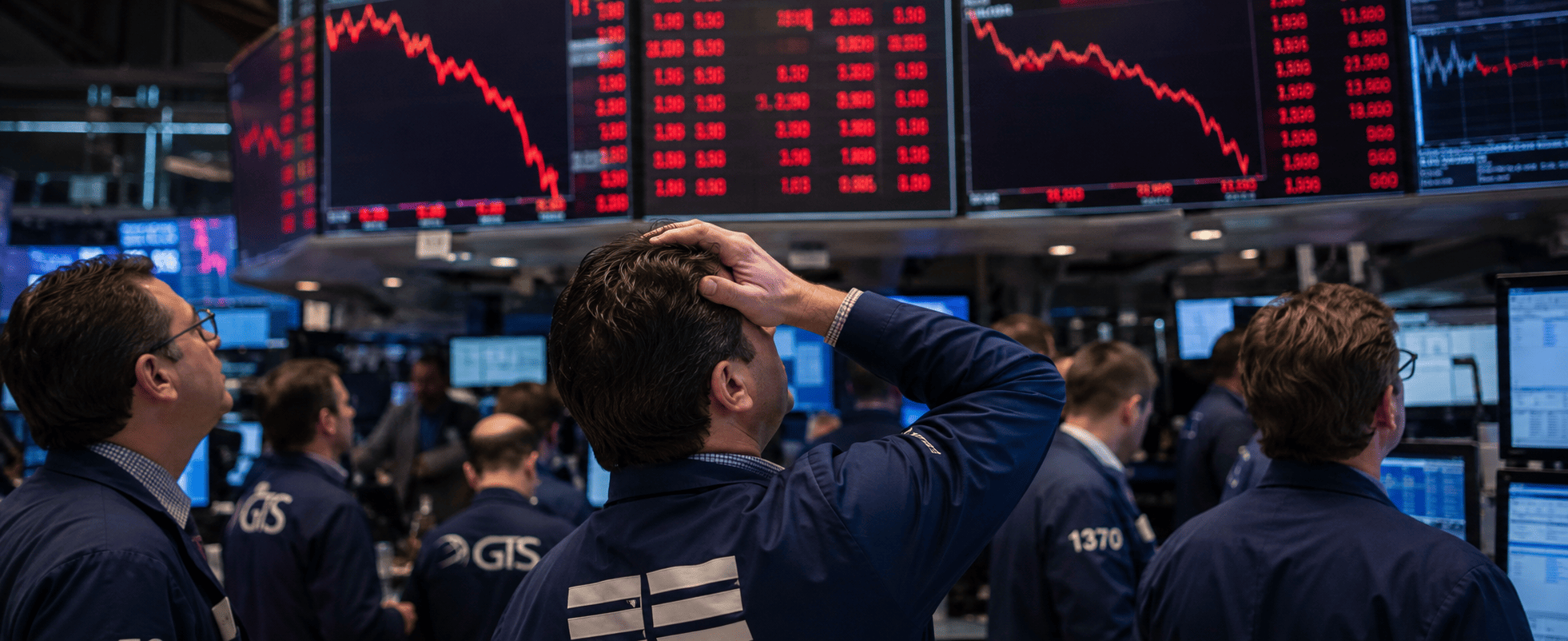
The Hang Seng Index retreated on Monday, slipping to 25,402, down from its monthly high of 26,180, as a confluence of geopolitical and economic factors weighed on investor sentiment. The decline was driven by escalating US-Iran tensions, disappointing Chinese economic data, and a sharp drop in BYD's share price following its earnings release.
US-Iran tensions escalate
Geopolitical risk took center stage after the US launched a strike on targets in the Strait of Hormuz, killing two individuals who, according to CENTCOM, were laying mines. President Donald Trump threatened to destroy Kharg Island, a key Iranian oil export hub, raising fears of a broader conflict. Iran has warned it would retaliate by attacking other energy infrastructure in the region.

Trump has previously threatened similar action but backed down after pressure from regional allies like Saudi Arabia and the UAE, who fear the impact on their own energy sectors. The president also considered seizing the island but concluded it would result in significant US troop casualties.
These tensions have pushed oil prices higher, with Brent crude rising to $90 per barrel and West Texas Intermediate (WTI) reaching $85. Further escalation could drive prices even higher, adding to global inflationary pressures.
China's economy shows further weakness
The Hang Seng also came under pressure after data revealed that China's manufacturing activity contracted for a second consecutive month in August. The official manufacturing PMI came in at 49.8, slightly above July's 49.2 but still below the 50 threshold that separates expansion from contraction.
China's GDP growth slowed to 4.3% in the second quarter, the weakest pace since late 2022, as soft domestic demand and a prolonged property slump weighed on the economy. Retail sales and industrial production also decelerated last month, underscoring the challenges facing the world's second-largest economy.
Since the Hang Seng Index is heavily weighted toward companies with significant operations in mainland China, these weak indicators directly impact investor confidence. On the positive side, the deteriorating data may prompt Chinese authorities to roll out a substantial stimulus package to support growth.
BYD shares tumble on earnings and competition fears
BYD, a major component of the Hang Seng, saw its shares fall nearly 5% after the company reported its quarterly earnings on Friday. While net profit rose 30% year-over-year to $1.2 billion, revenue declined 3% in the quarter. The company warned that the Chinese electric vehicle market is facing sluggish domestic demand, intense competition, and rising costs for commodities and raw materials.
This cautious outlook spooked investors, leading to a sell-off in BYD's stock. Other notable laggards in the index included China Resources Land, Chow Tai Fook Jewellery, Xinyi Solar, and Longfor Group. Xinyi Solar dropped after releasing a weak financial report over the weekend.
Investors are now closely watching whether the combination of geopolitical risks and economic headwinds will prompt further policy responses from Beijing. The recent slide in Hong Kong equities contrasts with the resilience seen in other global markets, such as the Dow's modest gains last week, highlighting the region-specific challenges.
As the situation evolves, market participants will be monitoring oil price movements and any new developments in US-Iran relations. The potential for a larger stimulus package from China remains a key factor that could stabilize the Hang Seng in the coming weeks.
This article is for informational purposes only and does not constitute financial advice.