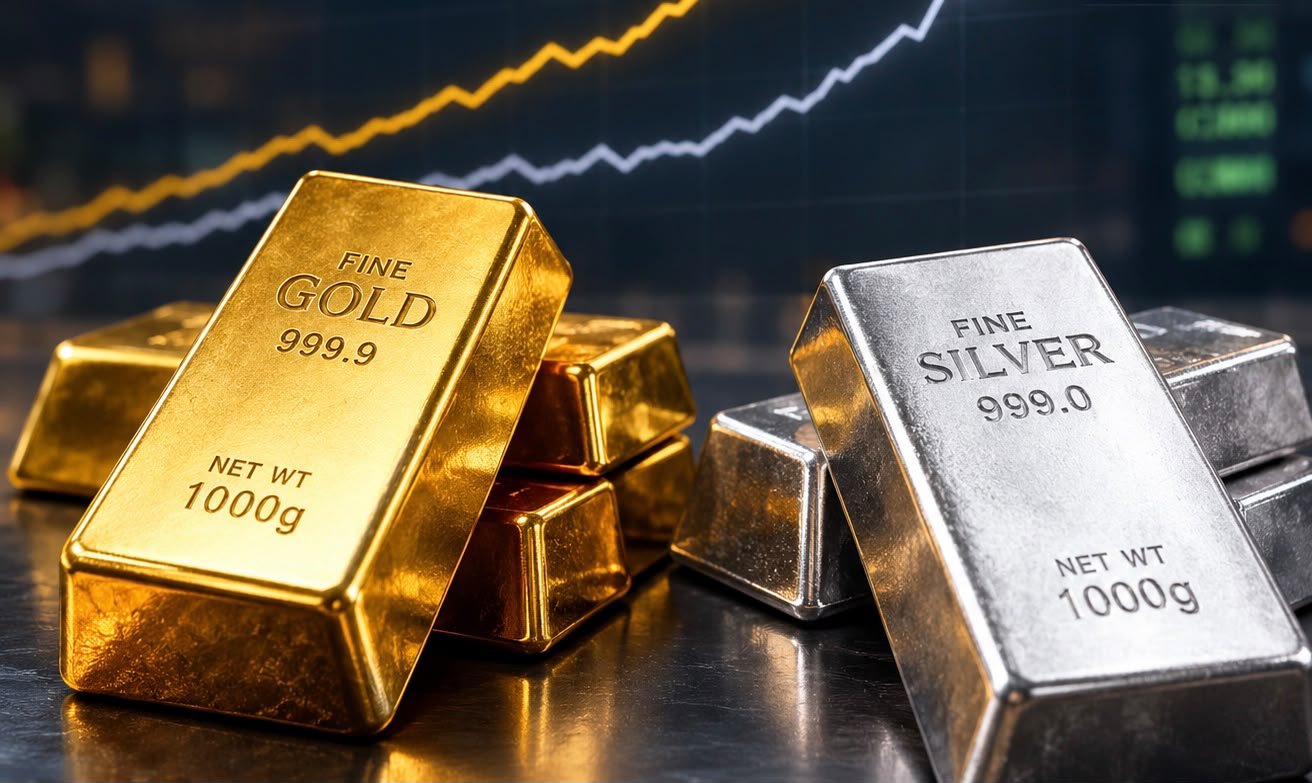
Gold prices edged higher in Asian trading on Tuesday, recovering from an early dip, but the metal remains trapped below the $4,200 level that has repeatedly capped rallies. Spot gold rose 0.1% to $4,145.22 an ounce by 0347 GMT, while December futures gained 0.1% to $4,164.70. A softer dollar provided some support, yet the broader picture is clouded by expectations of another Federal Reserve rate hike before year-end.
Fed Pause in October Doesn't Remove December Threat
Market pricing shows an 82% probability that the Fed will hold rates steady at its October 27-28 meeting, but an 89% chance of a hike in December. The central bank raised its benchmark rate to 3.75%-4% in September. This divergence is critical for gold: a pause would avoid an immediate jump in borrowing costs, but the looming December increase keeps interest-bearing assets more attractive than bullion, which yields no income.

September's consumer inflation reading of 3.7% annually has reinforced caution. The Fed's preferred inflation gauge, the personal consumption expenditures report, is due October 29, one day after the rate decision. ANZ Research analysts pointed to elevated bond yields and thin market liquidity amid uncertainty over the rate outlook, also linking yield pressure to the sell-off in French government debt following civil unrest.
Oil Rally Complicates the Safe-Haven Narrative
Fresh geopolitical tensions in the Middle East would typically boost gold's safe-haven appeal. Yemen's Houthi movement claimed attacks on Saudi energy, airport, and military facilities, with Brent crude trading near $110 a barrel. However, the same oil rally can be bearish for bullion: higher fuel costs keep inflation elevated and may encourage the Fed to maintain restrictive policy longer, putting upward pressure on Treasury yields that outweighs geopolitical demand.
Analysts describe a divide between short-term sellers reacting to macroeconomic conditions and longer-term investors seeking protection against fiscal and geopolitical risks.
ETF Inflows Provide Support, But $4,200 Remains the Hurdle
The longer-term demand picture is stronger than daily price action suggests. World Gold Council data shows global gold-backed ETFs attracted $10 billion in September and a record $31 billion in the third quarter. Holdings reached an all-time high of 4,256 tonnes, even as gold prices fell 8.5% in September. World Gold Council analyst Johan Palmberg attributed much of that month's weakness to rising Treasury yields, dollar strength, and futures-position reductions.
The divergence indicates strategic ETF investors were willing to accumulate while short-term traders sold. However, September's flows don't reveal who is buying today. With bullion still below $4,200, the immediate test is whether a softer dollar and lower bond yields can develop into a sustained move.
This article is for informational purposes only and does not constitute financial advice.