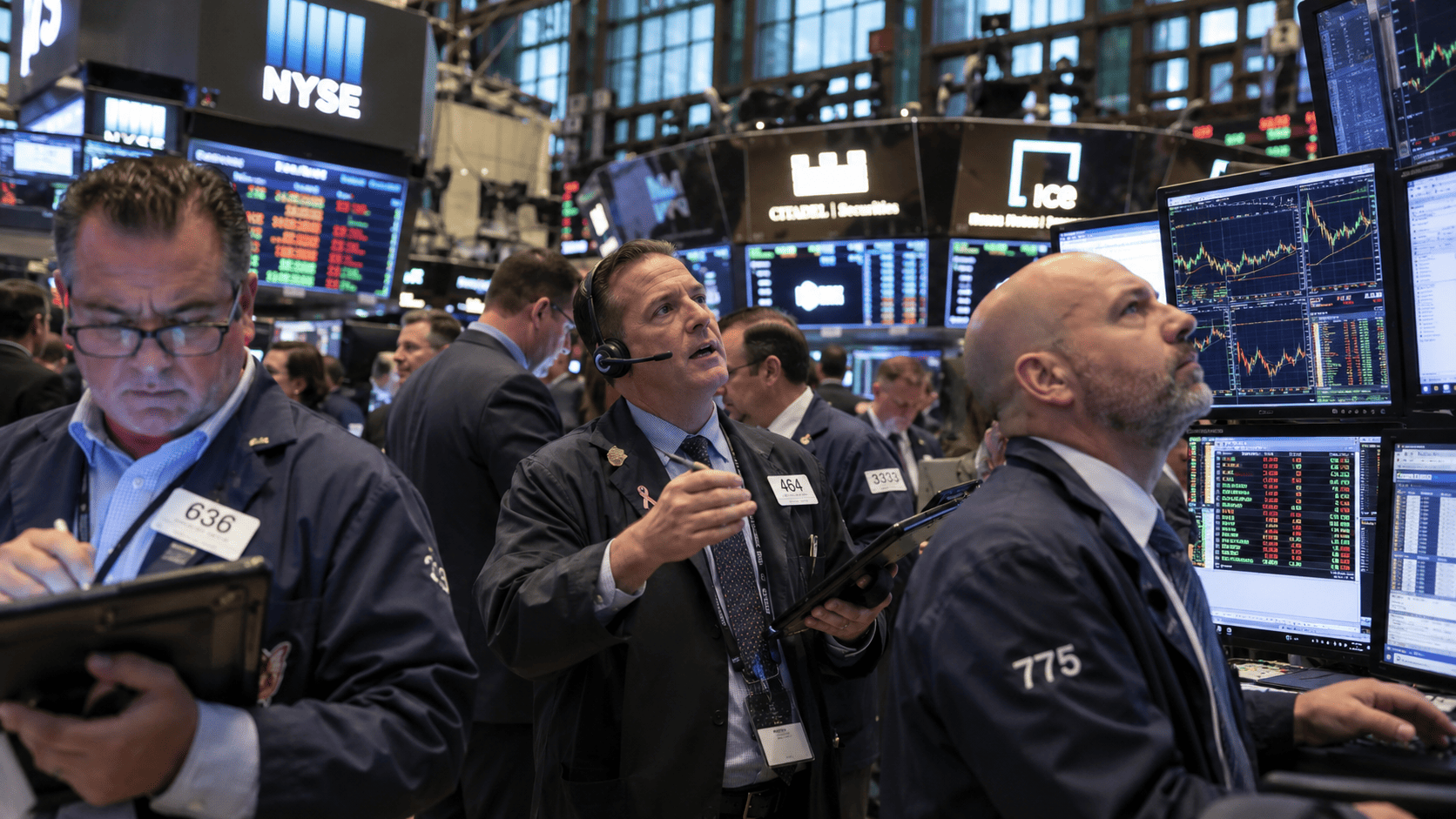
US Treasury yields edged lower on Monday, extending last week's bond-market recovery, as oil prices retreated from recent highs and investors increasingly bet that the Federal Reserve will leave interest rates unchanged at its October meeting.
The benchmark 10-year Treasury yield fell one basis point to 5.07%, while the 30-year yield also declined to 5.42%. This pullback follows a sharp sell-off that had pushed yields to levels not seen in over two decades, with the 10-year reaching its highest since 2002.

Oil prices eased early Monday after Washington moved to relax restrictions on Russian oil supplies, though escalating attacks around the Strait of Hormuz continued to threaten global shipments and kept crude above $100 a barrel. The retreat in energy costs helped alleviate some inflationary pressure, supporting the bond market's recovery.
Last week, Treasuries recorded their strongest weekly gain since mid-February, with the 10-year yield falling 16.5 basis points. The reversal suggests that higher yields may have started attracting buyers, making government debt more appealing relative to other assets.
Jussi Hiljanen, chief rates strategist at SEB, told Dow Jones Newswires that Treasury yields may have reached levels where their elevated levels weigh on risk sentiment. This mechanism can become self-reinforcing: higher yields increase mortgage rates and corporate borrowing costs while making equities less attractive. If tighter financial conditions begin to weaken growth expectations, investors may turn back to Treasuries, pushing bond prices higher and yields lower.
JPMorgan strategists believe the recent bond-market reversal could help equities extend their gains through year-end. They noted that Treasury yields were showing signs of becoming stretched, with bonds moving into oversold territory. A further easing in yields could reduce pressure on equity valuations and create more favorable conditions for stocks.
However, the outlook remains uncertain as persistent inflation complicates the Fed's policy decisions. PIMCO Chief Investment Officer Daniel Ivascyn told Reuters last week that Treasury yields may not have peaked and that the Fed could still raise rates once or twice more.
Market expectations for another rate increase this month have weakened considerably. The CME FedWatch tool indicates a probability of more than 85% that the Federal Open Market Committee will leave borrowing costs unchanged at its next meeting. This shift follows the latest inflation data, which showed persistent price pressures but did not prevent investors from favoring an October pause.
Investors will continue to assess incoming economic indicators for clues about inflation, growth, and monetary policy. The US Census Bureau is scheduled to release September housing starts and new building permits data on Tuesday, providing another indication of conditions in the housing sector amid rising borrowing costs.
This article is for informational purposes only and does not constitute financial advice.