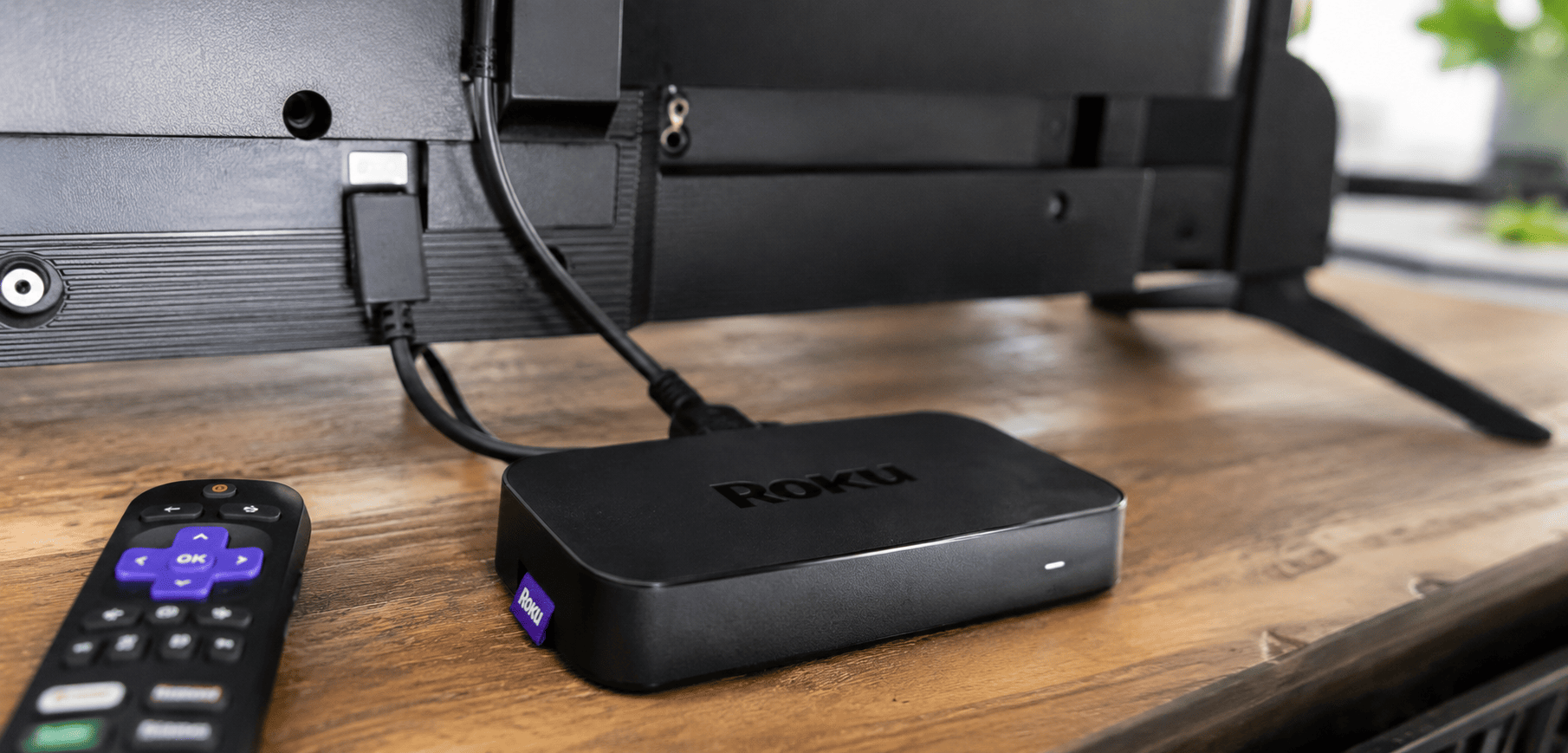
Fox Corporation (FOXA) shares tumbled more than 15% on Monday after the media conglomerate announced a $22 billion deal to acquire streaming platform Roku Inc. (ROKU). While management hailed the transaction as a transformative move to combine live sports and news with a massive digital audience, the market reaction suggests deep skepticism among shareholders.
Dilution Concerns Weigh on Fox Stock
The acquisition structure is a key source of investor unease. Roku shareholders will receive $160 per share, comprising $96 in cash and 0.9693 Fox Class A shares for each ROKU share. As a result, Roku investors will own approximately 27% of the combined entity. Issuing new stock on this scale dilutes existing Fox shareholders' ownership and reduces earnings per share, a move that institutional investors typically view unfavorably.

Massive Debt Load Adds Pressure
To fund the cash portion, Fox has secured a $12 billion fully committed bridge financing facility from Morgan Stanley. This substantial leverage comes at a time when Fox's traditional cable TV business faces structural headwinds. Investors worry that servicing this debt will constrain free cash flow, limiting the company's ability to pursue share buybacks or increase dividends in the future.
Roku's Neutrality at Risk
Roku's success has historically been built on its role as an agnostic, open platform that treats all streaming apps—including Netflix, Disney+, and Prime Video—equally. Under Fox ownership, that neutrality could be compromised. If rival streaming services perceive that Fox will prioritize its own content, such as Fox Sports, Fox News, or its free ad-supported service Tubi, they may alter their partnerships with Roku. This could undermine Roku's core advertising and subscription revenue model, ultimately hurting Fox's long-term prospects.
Strategic U-Turn Raises Questions
In 2019, Fox pivoted away from the expensive scripted streaming wars by selling its entertainment assets to Disney, focusing instead on live news and sports. The $22 billion Roku acquisition feels to many investors like a costly reversal back into a highly competitive digital ecosystem. The timing also stings: Roku shares surged roughly 20% on the buyout news, making the final price tag even steeper for Fox shareholders.
In short, Fox investors see a company taking on excessive debt and diluting equity to acquire a platform whose core strategic advantage—neutrality—may be eroded by the deal itself.
Wall Street's Outlook
Prior to the announcement, analysts rated Fox stock as a “Moderate Buy” with a mean price target of $70. However, given the market's negative reaction and the concerns outlined above, downward revisions to estimates are likely in the coming days. For context, similar market dynamics have been observed in other sectors; for instance, Netflix stock slid 8% after reduced engagement data disclosure rattled investors, highlighting how strategic moves can quickly shift sentiment.
Meanwhile, some investors are rotating away from broad index bets toward selective trades, as noted in reports of retail investors shifting strategies amid market rotation. The Fox-Roku deal may accelerate such trends in the media and streaming space.
This article is for informational purposes only and does not constitute financial advice.