Investors are bracing for a likely Federal Reserve rate hike next week, with futures markets now pricing in an 85% to 90% probability of a quarter-percentage-point increase. The shift follows Friday's consumer price index report, which showed that underlying inflation pressures remain stubbornly elevated.
The headline CPI rose 0.4% in August from July, matching expectations, and was up 3.4% from a year earlier. Core CPI, which excludes food and energy, climbed 0.3% month over month—faster than the 0.2% economists had forecast. On an annual basis, core inflation eased to 2.4% from 2.5%, but the monthly acceleration has strengthened the case for policymakers who favor immediate tightening.

Friday's data followed a robust August jobs report and a hotter-than-expected producer price index, both of which had already lifted the odds of a move. The Fed has held its policy rate in a range of 3.5% to 3.75% since January, but the recent run of data is pushing the committee toward action.
Services inflation adds to concern
A key worry for the Fed is the persistence of services inflation. The so-called 'supercore' measure, which strips out energy and housing services, rose 0.5% in August and is up 3% from a year ago. While not an official target, this gauge is closely watched because it captures price pressures less influenced by volatile goods or energy costs.
'A Federal Reserve hike next week is now looking highly likely,' said Jon Butcher, senior US economist at Aberdeen. 'Today's CPI data showed core prices re-accelerating in August, rising by an above-consensus 0.3% month on month. This removed the main obstruction to a rise in the Fed funds rate next week.'
The inflation picture is further complicated by energy prices, with oil trading above $100 per barrel and ongoing geopolitical tensions in the Middle East. 'Inflation risks remain firmly tilted to the upside,' Butcher added.
Markets absorb the prospect of tighter policy
Equities moved higher after the CPI release, while Treasury yields were mostly steady. The two-year yield, which is sensitive to Fed expectations, touched its highest level since July 2024. Investors appear to be pricing in a hike without viewing it as an immediate threat to economic growth.
The bigger question now is whether the Fed will stop after one increase. 'The debate has quickly shifted from whether the Fed will hike to the more important question of how many hikes this cycle will ultimately require,' said Seema Shah, chief global strategist at Principal Asset Management. 'We do not expect the Fed to be one-and-done. After half a decade of above-target inflation, policymakers are likely to conclude that more than one hike will be needed to re-establish price stability.'
That would mark a significant change in the market narrative, which had previously focused on the possibility of the Fed holding rates steady if inflation continued to moderate. August's figures challenge that assumption.
Warsh faces a credibility test
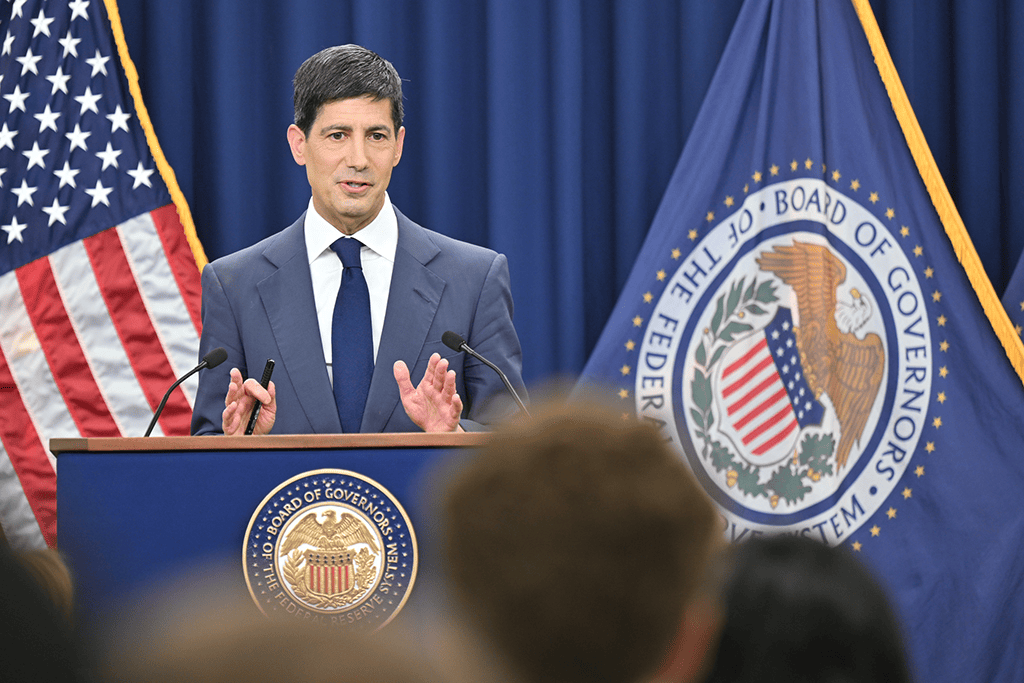
The decision is also a major test for new Fed Chair Kevin Warsh, who has not publicly committed to a specific move but has repeatedly signaled that rates would need to rise if inflation failed to cool. At the Jackson Hole conference last month, Warsh said, 'We must be confident that underlying inflation is moving to our objective, clearly and at sufficient speed. Otherwise, we have work to do.'
That statement was deliberately broad, but Friday's CPI report makes it harder to maintain flexibility. Warsh must not only decide on the rate path but also build consensus among policymakers and clearly communicate the decision to markets. At the July meeting, the Fed kept rates unchanged, but Warsh's explanation left some investors uncertain about his commitment to the 2% target.
As the Fed prepares to meet, the stakes are high. A hike would align with market expectations but could put Warsh at odds with President Trump ahead of the elections. A hold, on the other hand, would risk undermining the Fed's inflation-fighting credibility. The outcome will likely set the tone for monetary policy in the coming months.
This article is for informational purposes only and does not constitute financial advice.

