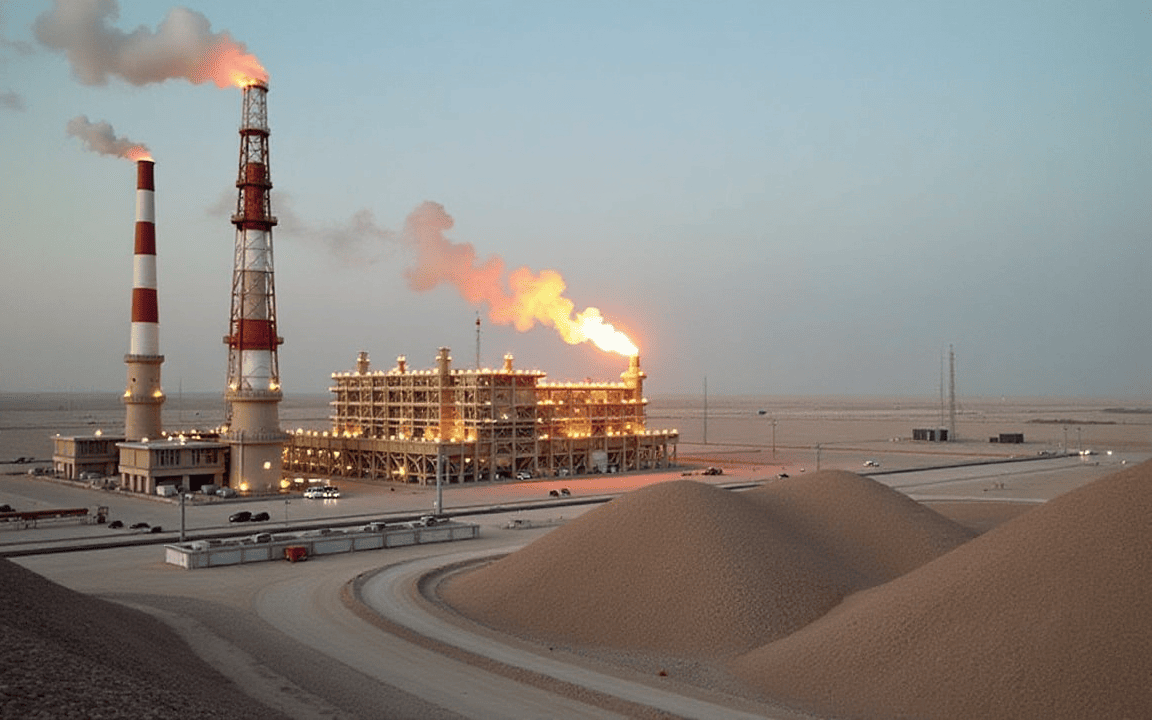
European natural gas prices have stabilized near the two-month highs reached earlier this week, following a sharp decline triggered by the preliminary peace framework between the United States and Iran. The Dutch TTF futures, the benchmark for European gas, recovered after plunging to their lowest levels in nearly two months on Monday, as markets digested the potential easing of energy supply disruptions.
Market Reaction to US-Iran Framework
The initial sell-off reflected relief that the conflict in the Strait of Hormuz—a critical chokepoint for global liquefied natural gas (LNG) shipments—might de-escalate. During the peak of tensions, the closure of the strait cut off approximately 20% of global LNG supply, particularly impacting exports from Qatar. This drove European gas prices to levels not seen since January 2023. The preliminary agreement has shifted sentiment, but full normalization remains elusive.
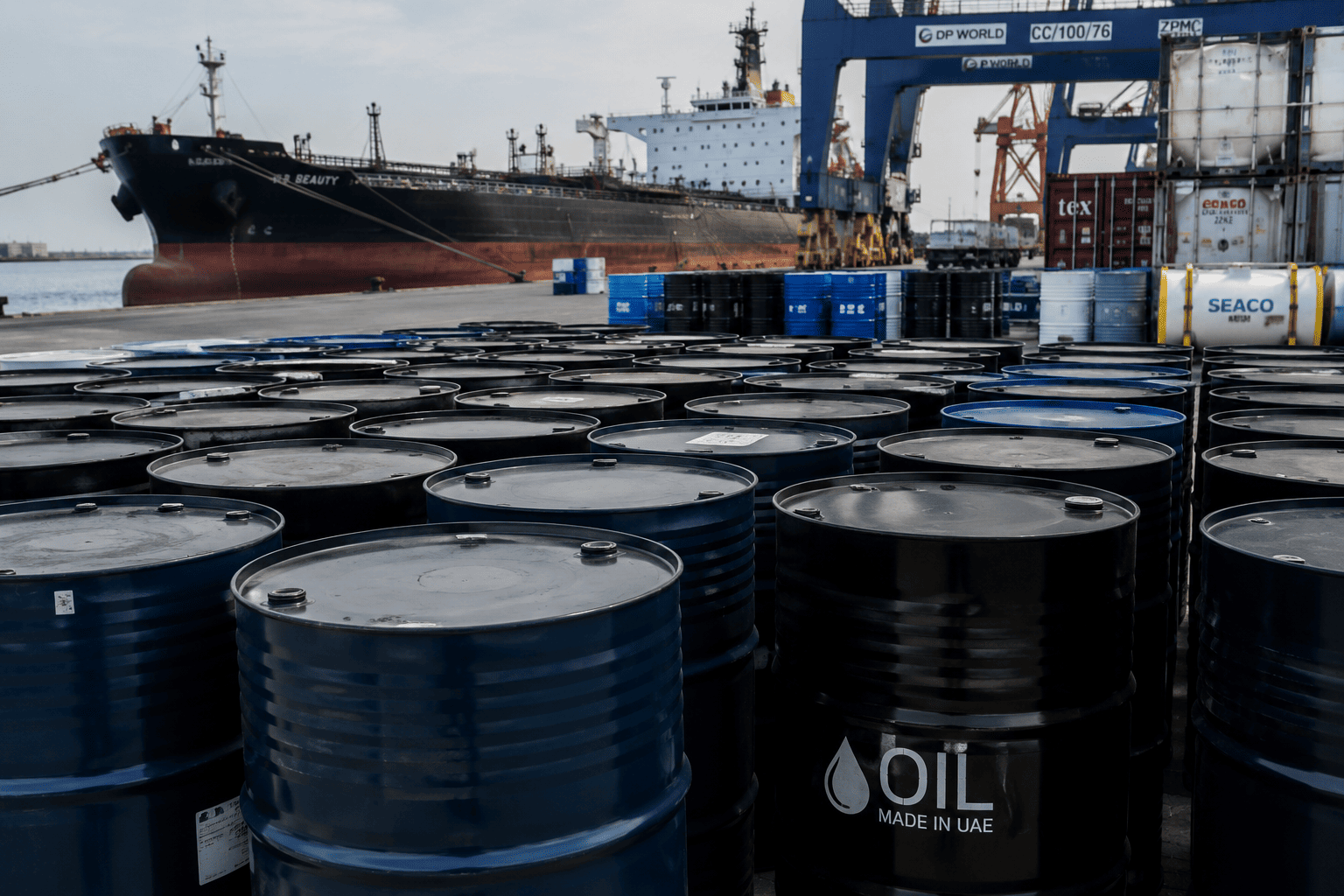
Despite the peace framework, European gas prices are still about 10% higher than the same period last year and roughly 30% above pre-conflict levels in late February. The market is now grappling with logistical hurdles, including clearing trapped tankers and restarting liquefaction processes at facilities like Qatar's Ras Laffan Industrial City. These factors are expected to keep prices elevated in the near term.
Volatility and Storage Dynamics
Short-term volatility is likely as investors weigh mixed signals. On one hand, the US-Iran deal reduces the risk of immediate supply disruptions. On the other, European nations are prioritizing the replenishment of natural gas reserves, which were already below normal at the start of the year. The surge in prices during the conflict made it challenging to maintain robust storage levels, and demand for refilling is expected to remain strong.
Technical analysis of the Dutch TTF futures shows the market trading below both the 25-day and 50-day exponential moving averages, indicating bearish control. The Relative Strength Index (RSI) at 36 suggests subtle gains, but the overall trend points to range-bound movement. Support is seen at $41.15, with resistance at $44.50. A break above $45.90 could signal further upside, while a drop below $40 would invalidate the current support thesis.
Broader Market Context
The energy sector's movements are intertwined with broader European market trends. For instance, European tech stocks rebounded on ceasefire hopes, while European benchmarks hit all-time highs amid shifting investor sentiment. Additionally, copper price analysis highlights key levels to watch as economic data looms, reflecting the broader commodity market's sensitivity to geopolitical developments.
Investors should monitor the finalization and ratification of the US-Iran peace framework, as well as storage data from Europe, to gauge the trajectory of natural gas prices. The interplay between supply normalization and demand for reserves will likely dictate market direction in the coming weeks.
This article is for informational purposes only and does not constitute financial advice.