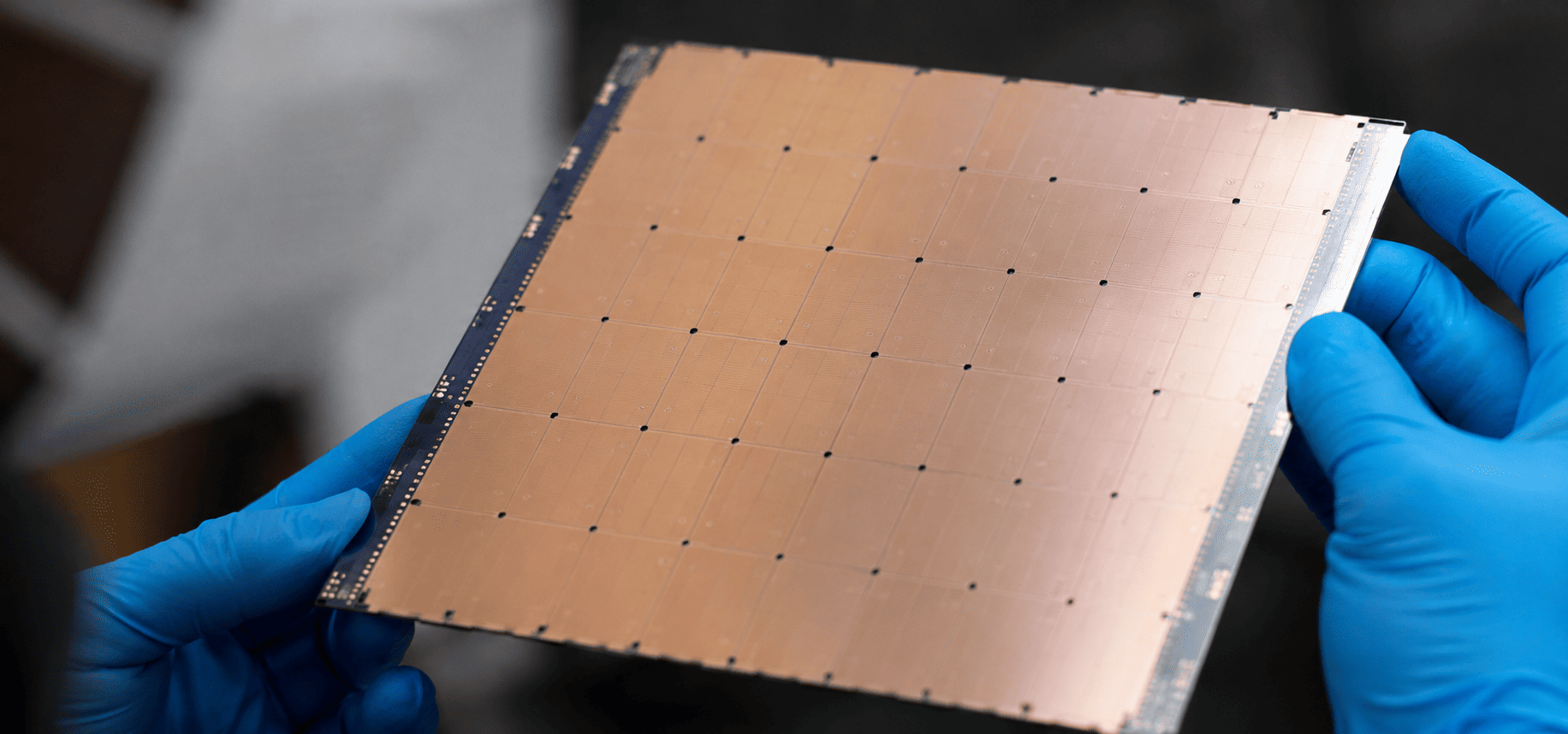
Cerebras Systems (CBRS) saw its stock tumble more than 15% on Wednesday following the release of its inaugural quarterly earnings report since its initial public offering. While the AI chipmaker posted Q1 revenue of $193 million—nearly double the prior year and above analyst estimates—investors focused on a sharply lower gross margin forecast for the current quarter.
The company expects core gross margin to land between 36% and 38% in Q2, a significant drop from the 47% reported in fiscal Q1. That guidance triggered a sell-off that has pushed Cerebras shares roughly 40% below their year-to-date high.

CEO Says Margin Compression Is Temporary
In an interview with CNBC, Cerebras co-founder and CEO Andrew Feldman pushed back against the negative market reaction, arguing that the margin outlook is being “misunderstood.” He attributed the sequential decline to an infrastructure bottleneck rather than any deterioration in product pricing or underlying demand.
“Everybody wants more tokens,” Feldman said, explaining that the company is temporarily leasing back high-performance systems from its largest customers while new data center capacity is built. “We had a choice and we could pass on the demand or we could keep our customers delighted... by renting some of our own gear back and taking a slightly lower margin.”
Feldman emphasized that the company’s full-year core gross margin expectations were actually raised by 10 percentage points compared to its pre-IPO roadmap, suggesting the near-term compression is a strategic trade-off to meet surging demand.
Lockup Expiration May Be Amplifying Sell-Off
The sharp decline in Cerebras shares may also be exacerbated by the company’s unconventional lockup expiration structure. Unlike traditional IPOs that impose a single 180-day lockup period, Cerebras adopted a phased approach, allowing partial tranches to unlock immediately after the first earnings call.
Feldman described the strategy as “titrating out” restrictions to avoid a sudden flood of shares. However, the June 24 unlock date appears to have triggered concentrated selling by early investors, adding downward pressure despite the operational beat.
Strong Backlog and Mega-Deals Support Long-Term Outlook
Despite the near-term volatility, Cerebras’s commercial trajectory remains robust. The company’s backlog exceeds $24 billion, anchored by a finalized master reseller agreement with OpenAI valued at “north of $20 billion” to deploy 750 megawatts of specialized inference capacity.
Additionally, Cerebras recently finalized a definitive collaboration agreement with Amazon Web Services (AWS), positioning its hardware for enterprise adoption. As data center capacity expands in the second half of 2026, Feldman expects margins to normalize and these mega-contracts to flow into consensus forecasts.
For context, the broader AI chip sector has seen mixed signals recently. Micron Plunges 22%: AI Chip Selloff or Rare Entry Point for Investors? highlights similar volatility in memory chips, while Cerebras Surges 11% on $5.5B European AI Data Center Expansion for OpenAI Workloads underscores the company’s long-term growth narrative.
Investor Considerations
Key risks to the Cerebras thesis include the possibility that the margin decline is structural rather than temporary—reflecting pricing power erosion or product mix deterioration. Additionally, if insider selling continues beyond the expected unlock window, it could overwhelm supply absorption.
However, with a massive backlog, strategic partnerships, and management’s confidence in margin normalization, some investors may view the post-earnings dip as a potential entry point. As always, individual circumstances and risk tolerance should guide investment decisions.
This article is for informational purposes only and does not constitute financial advice.