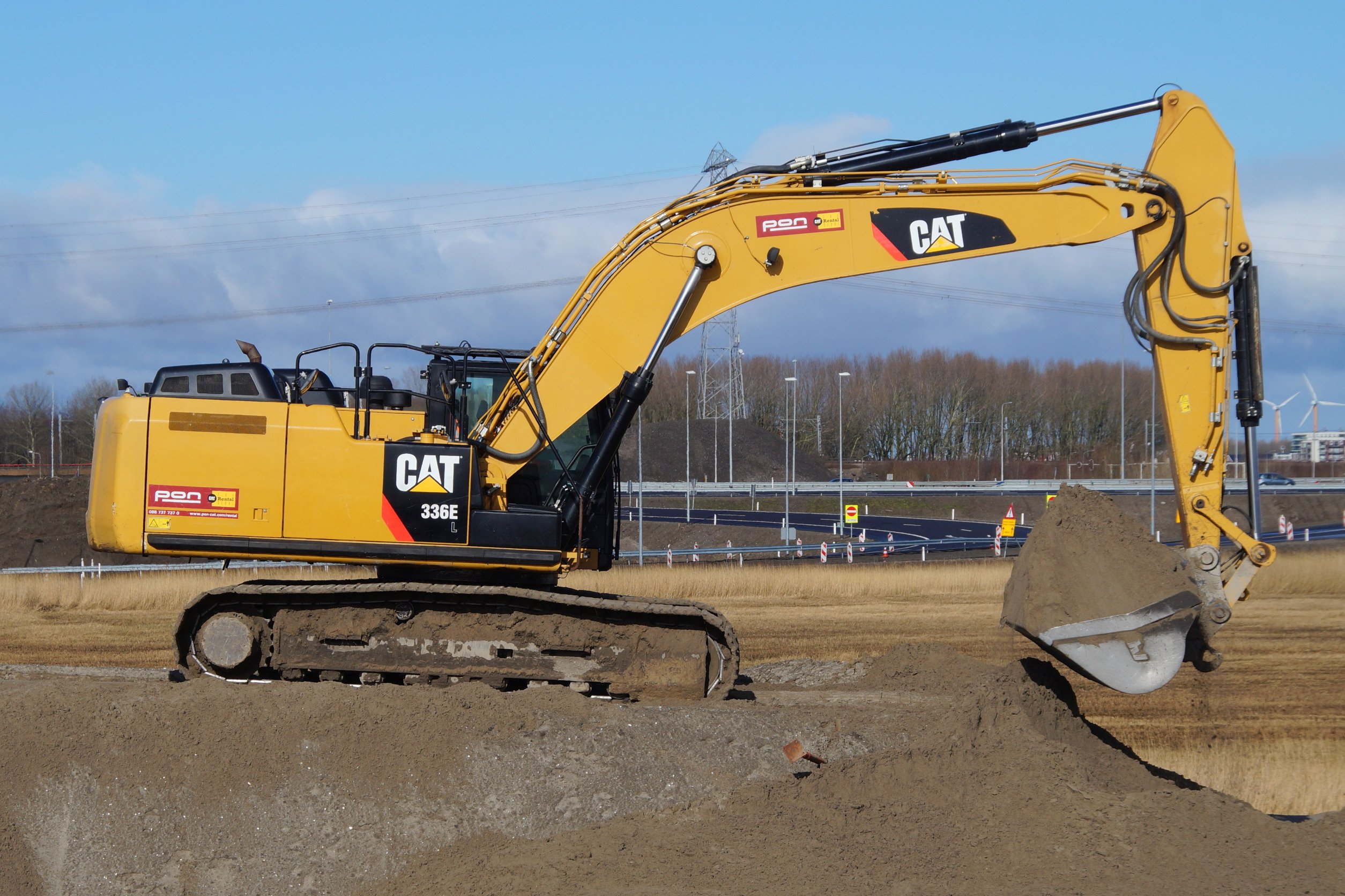
Shares of Caterpillar Inc. (CAT) slid approximately 5% on Wednesday after renowned investor Michael Burry revealed he has taken a bearish stance against the construction equipment maker, citing what he sees as extreme overvaluation fueled by the artificial intelligence investment boom.
Burry disclosed in a Tuesday Substack post that he shorted Caterpillar at $1,060.98, describing the stock as one of the most overvalued beneficiaries of the AI rally. The position is part of a broader set of bearish bets that also includes Nvidia Corp., Applied Materials Inc., Tesla Inc., and the iShares Semiconductor ETF (SOXX). The broader S&P 500 traded higher on the day, underscoring the stock-specific nature of the decline.

AI Infrastructure Narrative Drives Rally
Traditionally known for heavy machinery used in construction and mining, Caterpillar has increasingly been viewed by investors as an AI infrastructure play. The company's Power and Energy business posted a 22% year-over-year increase in first-quarter sales, driven by rising electricity demand from data centers supporting AI workloads.
That optimism has propelled the stock sharply higher. Caterpillar surged 86% during the first half of 2026 and has gained 172% over the past 12 months, making it one of the best-performing components in the S&P 500. However, the rally has stretched valuation multiples well beyond historical norms.
According to FactSet, Caterpillar now trades at roughly 39 times expected earnings over the next 12 months, compared with about 13 times earnings three years ago. The stock's price-to-sales ratio has climbed to approximately six times expected sales, far above its long-term range of one to two times sales.
Burry noted that the price-to-sales ratio has reached its highest level in at least three decades. “Caterpillar jumped out at me,” he wrote. “I have never shorted Caterpillar. It has always done great for me on the long side in the past.”
Broader AI Market Concerns
Burry also expressed broader worries about the semiconductor sector, arguing that AI-related stocks have become increasingly overextended. He pointed out that the Philadelphia Semiconductor Index is trading about 65% above its 200-day moving average, a level previously reached only during the dot-com bubble in 2000.
“The proximate cause of today’s rally is big spending announced out of Korea. Well, I see that as the beginning of the end,” Burry said. “It is only a matter of time now.” His comments echo warnings from other market observers about frothy valuations in AI-linked names. For more on similar concerns, see Michael Burry Shorts Micron, Warns AI Chip Rally Is Overdone.
Despite Burry’s bearish stance, the recent rally has highlighted how AI investment is expanding beyond pure technology companies into industrial firms supplying infrastructure for data centers. Caterpillar’s weighting in the Dow Jones Industrial Average has increased as the stock appreciated, making it one of the index’s highest-priced components.
Analyst Sentiment Remains Cautiously Positive
Wall Street analysts remain broadly constructive on Caterpillar despite the elevated valuation. According to TipRanks data, 10 of the 16 analysts covering the stock rate it a Buy, while the remaining six recommend Hold. The average 12-month price target stands at $991.94, about 2% below the stock’s current trading price.
Investors are also watching broader market dynamics. Recent data showed US Stock Funds See $17.2B Weekly Outflow, Largest Since March: Rally Fatigue?, suggesting some caution among institutional participants. Meanwhile, Trump Accounts Bought Nvidia, Apple, 327 Stocks Day Before Tariff Pause Triggered Rally, adding another layer of complexity to the market narrative.
The divergence between Burry’s bearish bet and analyst consensus underscores the uncertainty surrounding AI-related valuations. While Caterpillar’s fundamentals remain supported by data center demand, the stock’s price has outpaced earnings growth, leaving it vulnerable to any shift in sentiment.
This article is for informational purposes only and does not constitute financial advice.