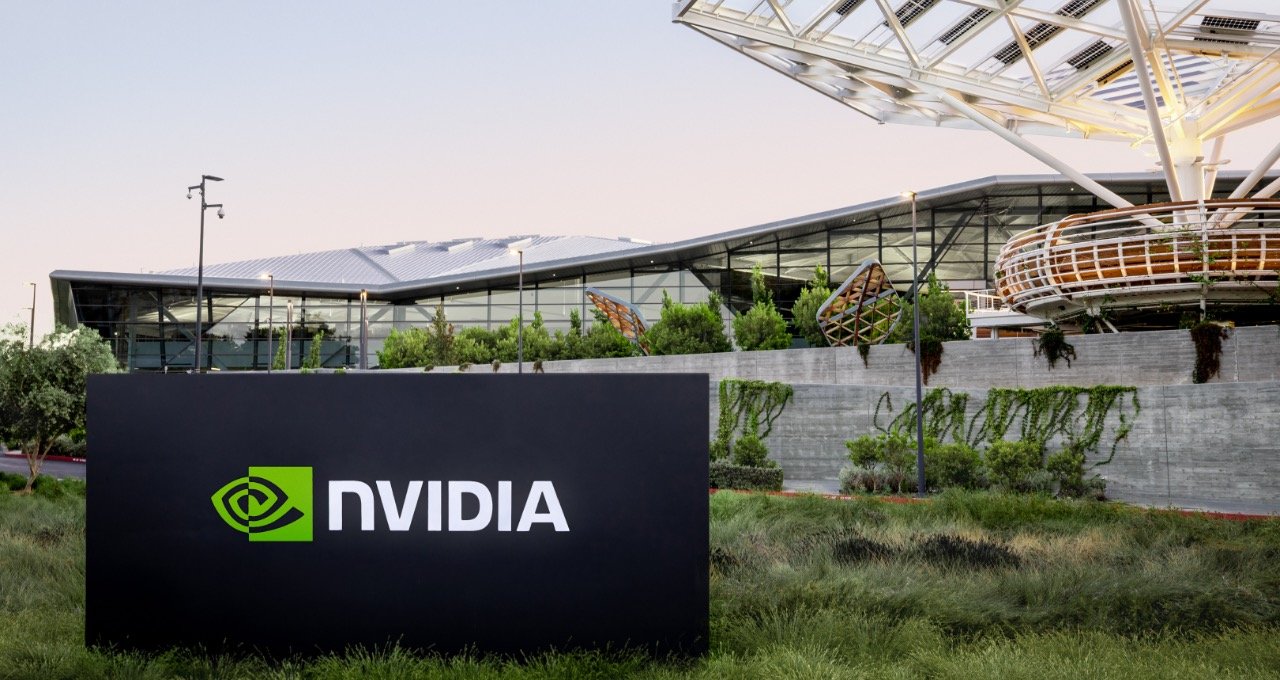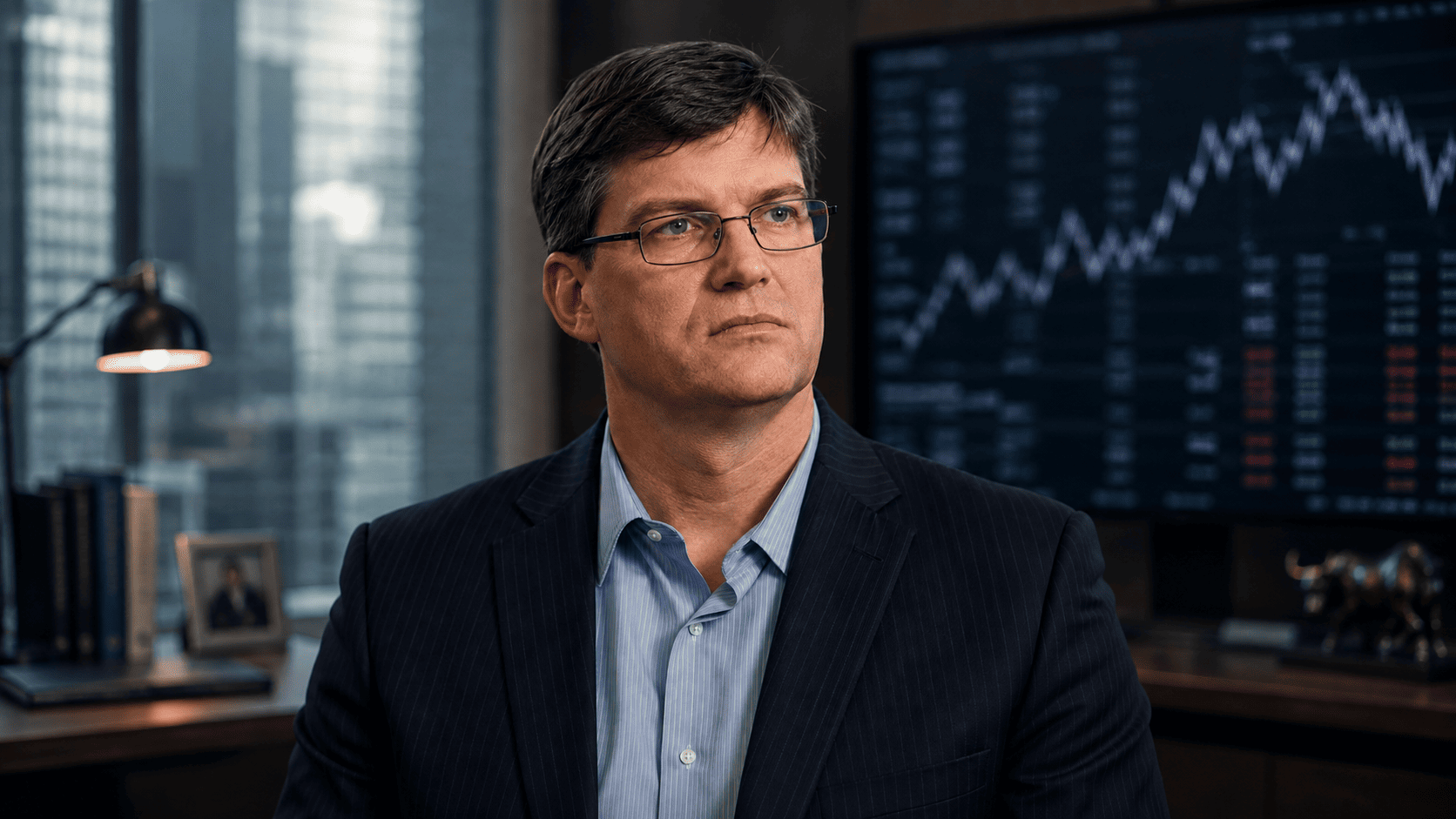
Michael Burry, the investor famed for betting against subprime mortgages before the 2008 crisis, is escalating his bearish stance on the artificial intelligence trade. His latest portfolio disclosures reveal retained put options on Nvidia and Palantir, an increased short position in Micron, and a new, larger bearish position in the Invesco QQQ Trust, which tracks the Nasdaq-100. This shift comes after he exited losing semiconductor ETF puts, replacing them with a broader market bet.
Burry's bearish exposure now rivals, and in some respects exceeds, his positioning around the 2020 market crash. He has also raised his cash holdings to roughly 12% of his portfolio, a defensive move that suggests he is preparing for a potential broader decline. His concerns extend beyond valuations: he argues that AI companies are increasingly financing one another, recycling capital within a closed ecosystem, while growing debt introduces a real cost of capital. He has identified 2028 as a potential inflection point when excess compute capacity becomes more apparent.

Despite his skepticism, Burry has drawn a clear line at CoreWeave, the AI cloud provider he has criticized for its debt-fueled GPU spending, rapid depreciation, and customer concentration. When asked about shorting CoreWeave, Burry said the stock has "more of a meme vibe" and that he would rather avoid shorting the leading candidate for "memesville," according to Stocktwits. His decision is tactical rather than a vote of confidence, acknowledging that the stock's limited float, retail following, and volatility can overwhelm fundamental analysis.
This week's price action illustrated the risk. CoreWeave shares surged more than 19% on Wednesday after the company reported second-quarter revenue of $2.58 billion, more than double year-over-year. Its revenue backlog reached $104.2 billion, and the company raised its 2026 revenue outlook to $12.4 billion-$13.2 billion. Bernstein analyst Madison Rezaei, who had previously been critical of CoreWeave's execution, conceded that "in this quarter, they delivered," though she maintained an Underperform rating, citing debt and longer-term AI-compute economics as ongoing concerns.
The contradiction highlights a central challenge for bearish investors: questionable fundamentals do not guarantee a falling stock. Burry's avoidance of CoreWeave underscores the difficulty of shorting a stock with a strong retail following and a limited float, where short squeezes can inflict severe losses.
Meanwhile, Wall Street remains largely at odds with Burry's bearish thesis. Brad Neuman, director of market strategy at Alger, told Business Insider that investors should be "more worried about supply than demand," pointing to constraints around data centers and grid connections. Mizuho analyst Vijay Rakesh reiterated an Outperform rating on Micron with a $1,375 price target, arguing that tight DRAM and NAND conditions could persist through 2027, supporting unusually high margins. Bank of America's Vivek Arya described Nvidia's new third-party AI infrastructure financing platform as structurally bullish, as it shifts capital burden away from Nvidia while reinforcing its CUDA ecosystem.
Burry's moves come amid a backdrop of Wall Street's growing confidence in AI financing plans, which some see as easing concerns about circularity. However, Micron's recent slide despite strong margins suggests that cycle fears persist, even as analysts like Rakesh see tightness lasting through 2027. The tension between Burry's bearishness and the Street's optimism is likely to remain a key theme for investors.
For now, Burry's strategy is to avoid the most volatile names while positioning for a broader downturn. His increased QQQ puts and cash reserves indicate a macro bet rather than a micro one, and his avoidance of CoreWeave is a reminder that even the most convinced bears must respect market dynamics.
This article is for informational purposes only and does not constitute financial advice.