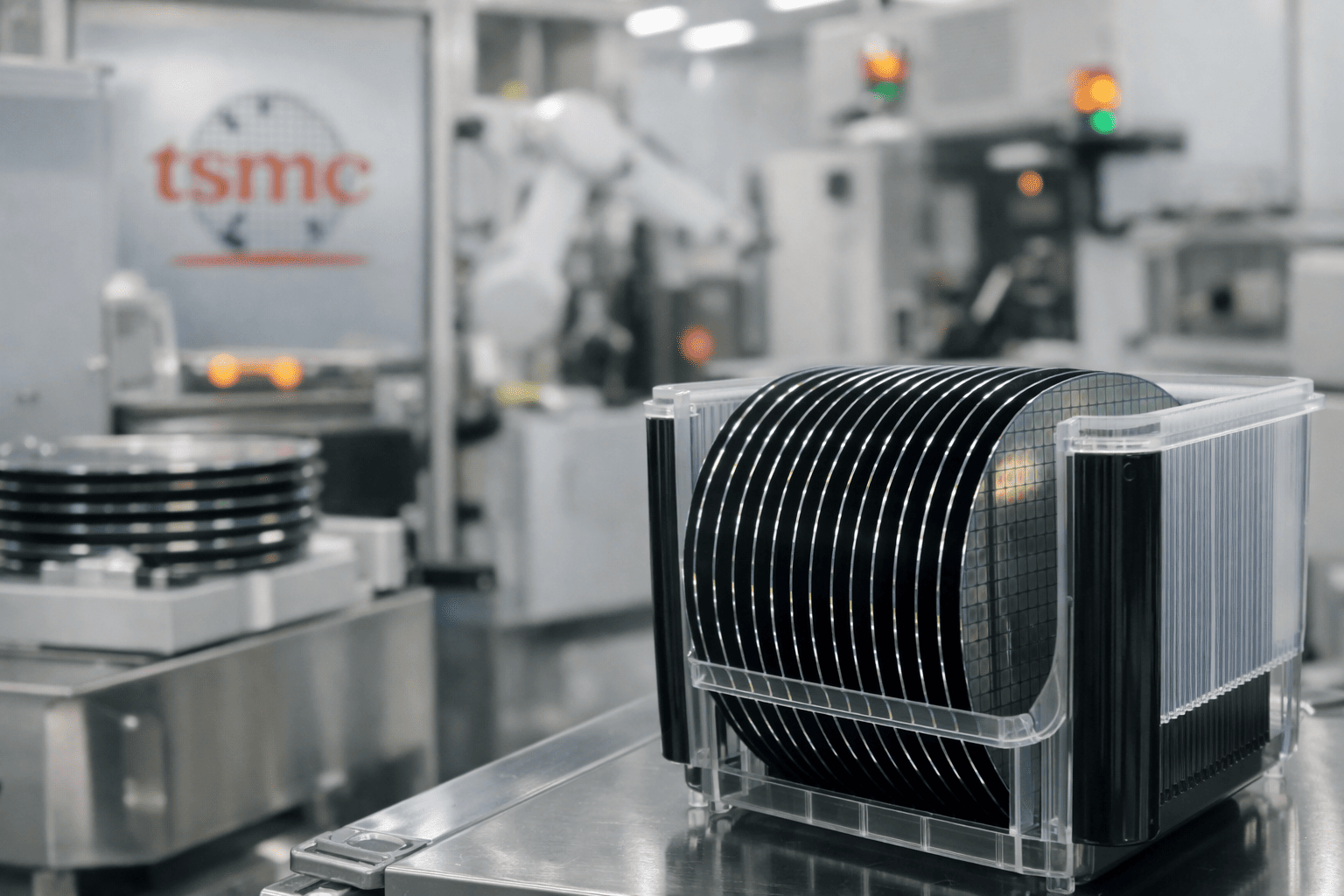
Taiwan Semiconductor Manufacturing Company (TSMC) faces a critical bottleneck that could undermine its dominance in the global AI chip market—and it is not water, power, or land. According to CEO CC Wei, the most urgent shortage is skilled talent.
Speaking at the inauguration of a new science park in Pingtung, southern Taiwan, Wei noted that while water security remains a concern, the company's ability to sustain its role at the heart of the AI revolution hinges on attracting and retaining enough engineers, technicians, and manufacturing workers.

Water Risks Persist but Are Manageable
Wei's comments came during heavy rain, a welcome relief for an industry that consumes vast amounts of ultra-pure water. He joked that only recently he had been questioning whether TSMC might need water trucks if supply conditions worsened. Southern Taiwan is typically drier than the north, and reservoirs often run low in winter. In 2021, the island imposed broad water restrictions after its worst drought on record, exposing the vulnerability of chip production to climate volatility.
President Lai Ching-te, who attended the event, said the government is finalizing plans to connect reservoirs across Taiwan to improve water retention, distribution, and efficiency. For TSMC, that would ease one of the so-called “five shortages” long cited by the chip industry: water, power, labor, land, and talent.
Talent Gap Emerges as the Bigger Threat
Wei made clear that even if water, land, and electricity pressures are reduced, Taiwan still needs more skilled workers. This is especially critical as AI demand accelerates and chipmaking becomes more complex. Advanced semiconductor production depends not only on expensive equipment and stable utilities but also on a dense ecosystem of trained personnel who can operate fabs, develop processes, and support research.
The government is working to attract and retain foreign talent, including by easing work-permit procedures. However, the challenge is particularly acute in rural areas like Pingtung, where new science parks aim to create jobs without losing workers to larger urban tech hubs.
Taiwan Remains the Center of Gravity
TSMC's warning comes even as the company expands overseas. Its Arizona investment has grown to $165 billion, encompassing six semiconductor fabs, two advanced packaging facilities, and an R&D center. That expansion reflects pressure from customers and governments to diversify chip supply chains. However, TSMC has repeatedly stated that its most advanced production and core research will remain anchored in Taiwan.
The message from Wei is clear: Taiwan may be able to build more fabs and strengthen water supply, but the country's chip leadership will ultimately depend on whether it can train, attract, and retain enough people to run them. For investors, this talent bottleneck represents a key risk to TSMC's long-term growth trajectory, especially as competitors like Intel and Samsung vie for market share.
For broader market context, see how FTSE 100 Holds Steady as Energy Surge Offsets Bank Weakness Amid Iran Tensions and Dow Futures Rise 130 Points as Markets Weigh Earnings, Chip Weakness, and Key Data.
This article is for informational purposes only and does not constitute financial advice.