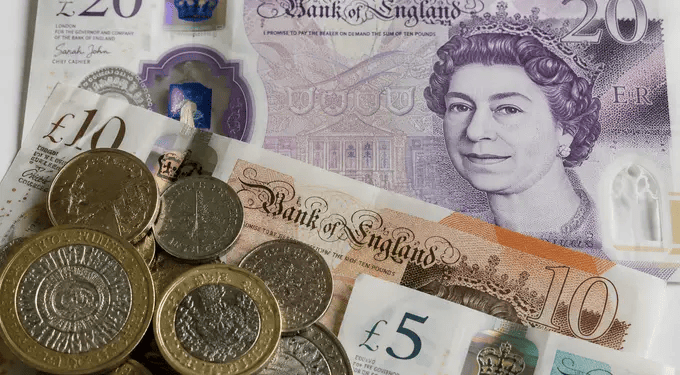
The British pound is poised for its most robust weekly gain in nearly a month, advancing approximately 0.5% against the US dollar as of Friday. The currency traded near $1.3403, showing resilience despite fresh data revealing the UK economy contracted 0.1% in April—its first monthly decline since August. The downturn was partly attributed to war-related disruptions affecting the entertainment sector.
Sterling's strength largely reflects a weaker US dollar, as investors grow optimistic about a potential Middle East peace agreement that could reduce geopolitical risks. However, the pound's limited reaction to the GDP miss suggests markets are looking beyond near-term economic weakness toward broader monetary and political developments.

Political and Policy Crosscurrents
Attention is shifting to several key events that could shape sterling's trajectory. The Bank of England is scheduled to meet on June 18, with markets widely expecting policymakers to hold interest rates steady. Upcoming data on inflation and consumer spending will be critical in shaping sentiment ahead of that decision.
On the political front, market participants are closely watching Labour Party dynamics. Angela Burnham is viewed as more supportive of expansionary fiscal policies than Prime Minister Keir Starmer, who faces mounting pressure over the economy and internal party tensions. This political backdrop is particularly significant given the UK's limited fiscal flexibility and elevated borrowing costs.
Until March, Britain had experienced some of the highest consumer price pressures among G7 economies for much of the past four years. However, US inflation surpassed UK rates in April, while May US CPI hit a three-year high of 4.3%, shifting some focus away from UK-specific price risks.
Precious Metals Retreat on Inflation Concerns
Gold prices moved lower on Friday, heading for a weekly decline of approximately 3%. Spot gold traded near $4,191 per ounce as traders weighed persistent US inflation concerns against hopes that a Middle East peace deal could reduce energy-related risks that have supported bullion. Silver also retreated, trading near $67 per ounce after surging more than 6% on Thursday, as industrial demand expectations competed with safe-haven flows.
Dollar Stabilizes; Euro Supported by ECB
The US dollar steadied during Asian trading after a volatile session, edging up to around 160.07 yen. The euro remained near a one-week high around $1.1576, supported by the European Central Bank's quarter-point rate increase on Thursday, highlighting a growing divergence between the ECB's inflation-focused stance and the Federal Reserve's data-dependent outlook.
Sterling's resilience amid economic weakness and political uncertainty underscores the complex interplay of global factors. As central bank decisions, political developments, and geopolitical events converge, investors face a crucial week that could determine the near-term direction of currencies and broader financial markets.
For broader market context, see our coverage of the FTSE 100's steady performance amid energy gains and the US dollar's safe-haven demand.
This article is for informational purposes only and does not constitute financial advice.