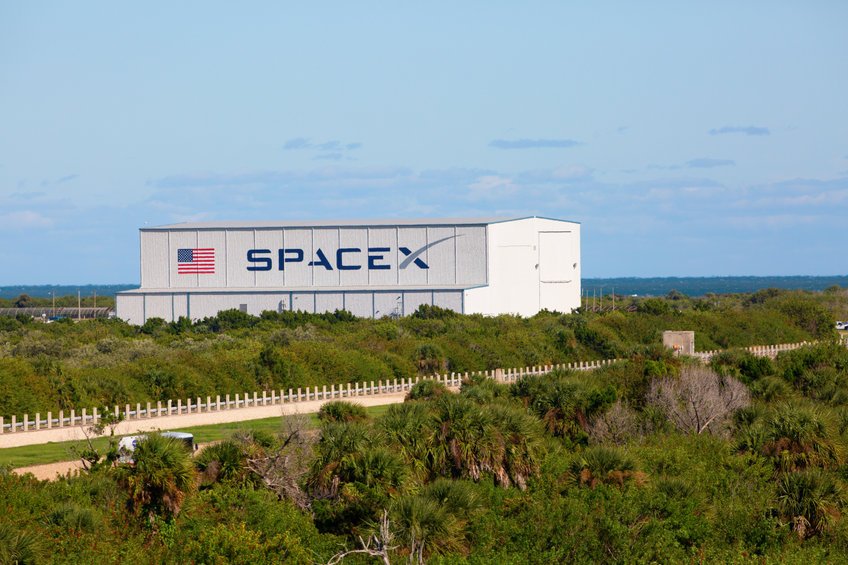
SpaceX is set to make history with its Nasdaq debut, having reportedly attracted approximately $250 billion in investor orders for a $75 billion initial public offering. While this level of demand is extraordinary, a deep dive into the mechanics of the deal and market signals suggests that a blockbuster first day of trading is far from guaranteed.
The $250 Billion Order Book: A Closer Look
The headline figure of $250 billion in orders implies a 4x oversubscription, but the structure of the offering introduces important nuances. Unlike traditional IPOs where bankers can adjust the price range upward in response to demand, SpaceX has set a fixed IPO price of $135 per share. This means that excess demand primarily determines allocation, not the price investors pay. Moreover, institutional investors often inflate their orders in hot IPOs, expecting to receive only a fraction of what they request. A fund seeking $100 million in shares might bid for $500 million, anticipating a significant cutback. While this doesn't make the demand artificial, it does mean the $250 billion figure does not represent guaranteed buying once trading begins.
Grey Market Signals Flash Caution
Perhaps the most telling indicator comes from outside the traditional IPO book. On the crypto derivatives platform Hyperliquid, the SPCX perpetual futures contract—a synthetic proxy for SpaceX shares—has seen its implied premium shrink dramatically. According to CoinDesk, the contract fell 27% over three weeks, from around $216 in mid-May to roughly $157 by June 10. That still represents a 16% premium over the $135 IPO price, but it's a far cry from the 60% premium traders were pricing in just weeks ago. While Hyperliquid is not Nasdaq and the contract is a leveraged crypto instrument, it offers a real-money gauge of sentiment ahead of the listing.
Wall Street's Divided Views
Valuation concerns have also surfaced. Renowned short seller Jim Chanos told Reuters that SpaceX is “not worth” $1.8 trillion based on reasonable five-year projections, calling the offering a “hopes-and-dreams IPO.” He noted the company trades at roughly 90 times sales, compared to about 14 times for Tesla. Steve Eisman, known for his role in “The Big Short,” expressed caution about SpaceX's expanding AI ambitions, highlighting that capital spending surged from 42% of revenue in 2023 to 215% in the first quarter of 2026. On the bullish side, New Street Research analyst Pierre Ferragu initiated coverage with a $165 target, implying upside from the IPO price, with a more optimistic scenario of $330 if SpaceX executes across Starlink, launch services, and AI infrastructure.
Market Context and Risks
The broader market environment adds another layer of uncertainty. Recent volatility in high-growth stocks and the tech sector could temper enthusiasm for a mega-cap IPO. Additionally, the SpaceX Short Interest Surges to 29% of Float: Is a Meme Stock Squeeze Brewing? highlights that bearish bets are already accumulating, which could amplify price swings post-listing. For investors seeking to Diversify Beyond AI: 3 Stocks with Strong Fundamentals for 2026, the SpaceX IPO may not offer the stability they seek.
What to Watch
With pricing expected Thursday and trading set to begin Friday, all eyes will be on the first-day performance. While the oversubscription suggests strong interest, the fixed price, narrowing grey market premium, and valuation skepticism from prominent investors indicate that the hype may already be priced in. A strong debut is possible, but it's far from assured.
This article is for informational purposes only and does not constitute financial advice.