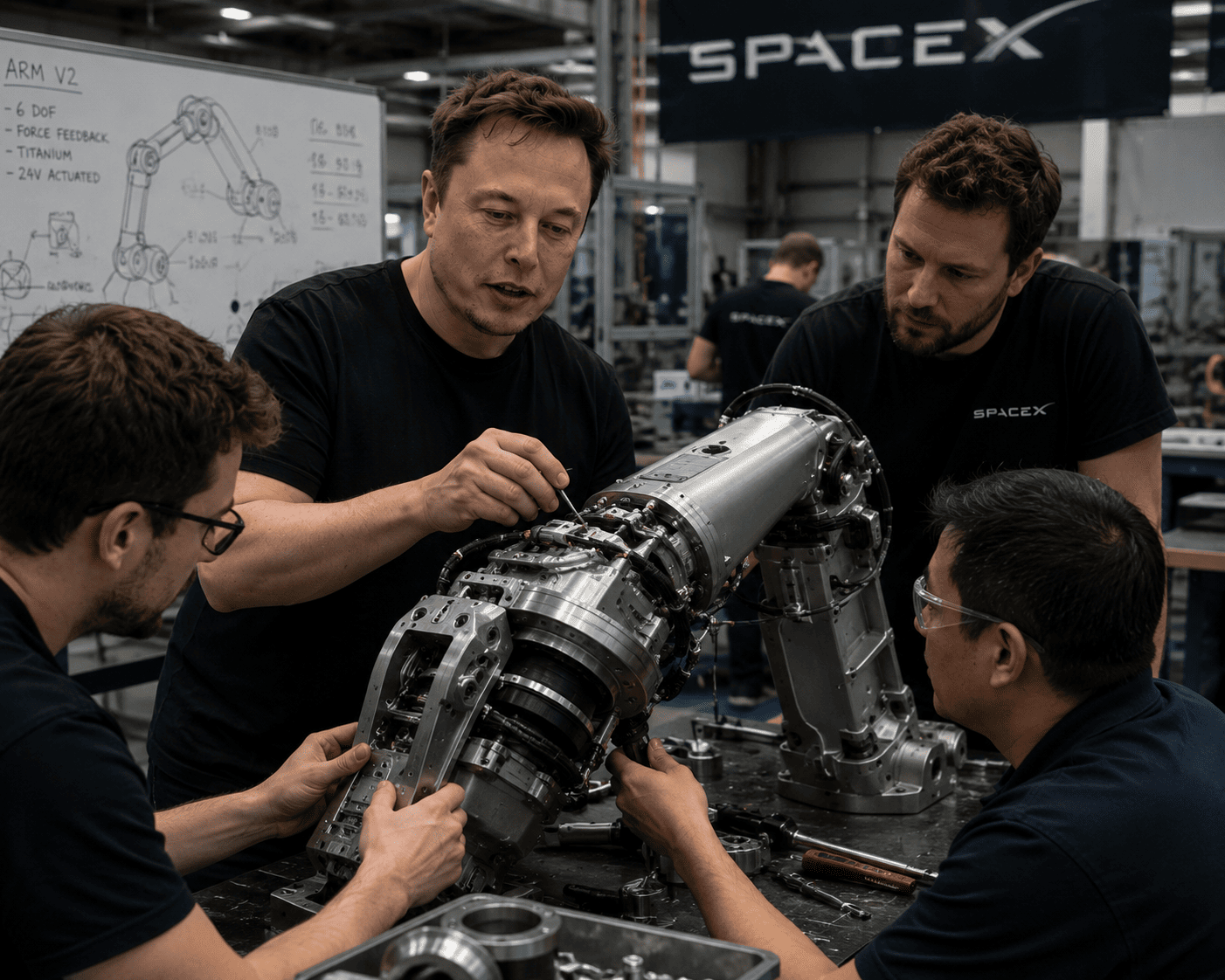
SpaceX, the private aerospace and satellite communications company founded by Elon Musk, is set to go public in what is expected to be the largest initial public offering in history. The company plans to raise approximately $75 billion at a valuation of roughly $1.8 trillion, instantly positioning it among the most valuable publicly traded companies globally. The IPO has generated widespread attention, not only because of its sheer size but also due to SpaceX's unique position at the intersection of space exploration, satellite internet, and artificial intelligence.
What Is an IPO and Why Does SpaceX's Matter?
An initial public offering (IPO) is the process by which a private company sells shares to the public for the first time. Before an IPO, ownership is typically restricted to founders, employees, and private investors. After the IPO, anyone with a brokerage account can buy and sell shares on a public exchange. For SpaceX, the stock will trade on the Nasdaq under the ticker symbol SPCX. This offering gives ordinary investors their first direct opportunity to own a stake in one of the most closely watched private companies in the world.
SpaceX: From Rocket Startup to Multi-Industry Powerhouse
Founded in 2002, SpaceX initially focused on reducing the cost of space travel. Over two decades, it has become the dominant player in commercial rocket launches, operating the Falcon rocket family and developing the next-generation Starship vehicle. The company also runs Starlink, a satellite broadband service with millions of subscribers worldwide. More recently, SpaceX expanded into artificial intelligence by acquiring Musk's AI company xAI, integrating the Grok chatbot and related computing infrastructure. Today, SpaceX is part rocket company, part satellite operator, and increasingly an AI enterprise.
Why the IPO Is Generating So Much Excitement
The primary driver of interest is the scale of the offering. The $75 billion raise would easily surpass Saudi Aramco's $29.4 billion IPO in 2019, making it the largest stock market debut ever. The proposed $1.8 trillion valuation would place SpaceX among the largest public companies from day one. Beyond size, investors are drawn to SpaceX's exposure to multiple high-growth sectors: commercial space launches, satellite broadband, and AI infrastructure. Many see the company as a rare opportunity to invest in a founder-led business that could shape the future of technology. Retail investors are particularly engaged, as SpaceX has allocated up to 30% of IPO shares to individual investors, far more than typical for large listings.
Analyst Concerns: Valuation and Execution Risks
Despite the enthusiasm, some analysts express caution. At $1.8 trillion, SpaceX would be worth more than many established global corporations despite generating significantly less revenue than the largest tech companies. Critics argue that the valuation already prices in years of future growth that may not materialize quickly. The company also relies heavily on projects still under development, including Starship and its AI initiatives. SpaceX has reported substantial losses as it invests aggressively in expansion, particularly in AI infrastructure. The central question for skeptics is not whether SpaceX is a great company, but whether the stock price already reflects too much optimism.
Timing and Market Context
The IPO arrives amid a renewed wave of enthusiasm for artificial intelligence, with other major AI companies like OpenAI and Anthropic also preparing for public listings. Elon Musk's high profile ensures that anything involving his ventures attracts outsized attention. The offering also comes as the broader market digests mixed signals from tech stocks and bond yields. For context, see our analysis of how the Dow Jones faces headwinds from the SpaceX IPO and other factors. Additionally, the IPO's impact on related stocks is already being felt, as noted in our coverage of Tesla's rebound amid SpaceX IPO news.
What Happens Next
SpaceX is expected to begin trading on the Nasdaq under the ticker SPCX on June 12. Once trading starts, the market will determine whether the $1.8 trillion valuation is justified. The stock could surge, decline, or trade steadily—no one can predict with certainty. What is clear is that the SpaceX IPO represents more than just another stock market debut. It is a test of investor appetite for ambitious, founder-led companies that promise to reshape space exploration, communications, and artificial intelligence. For those looking to participate, we have compiled a list of top platforms to buy SpaceX stock once trading begins.
This article is for informational purposes only and does not constitute financial advice.