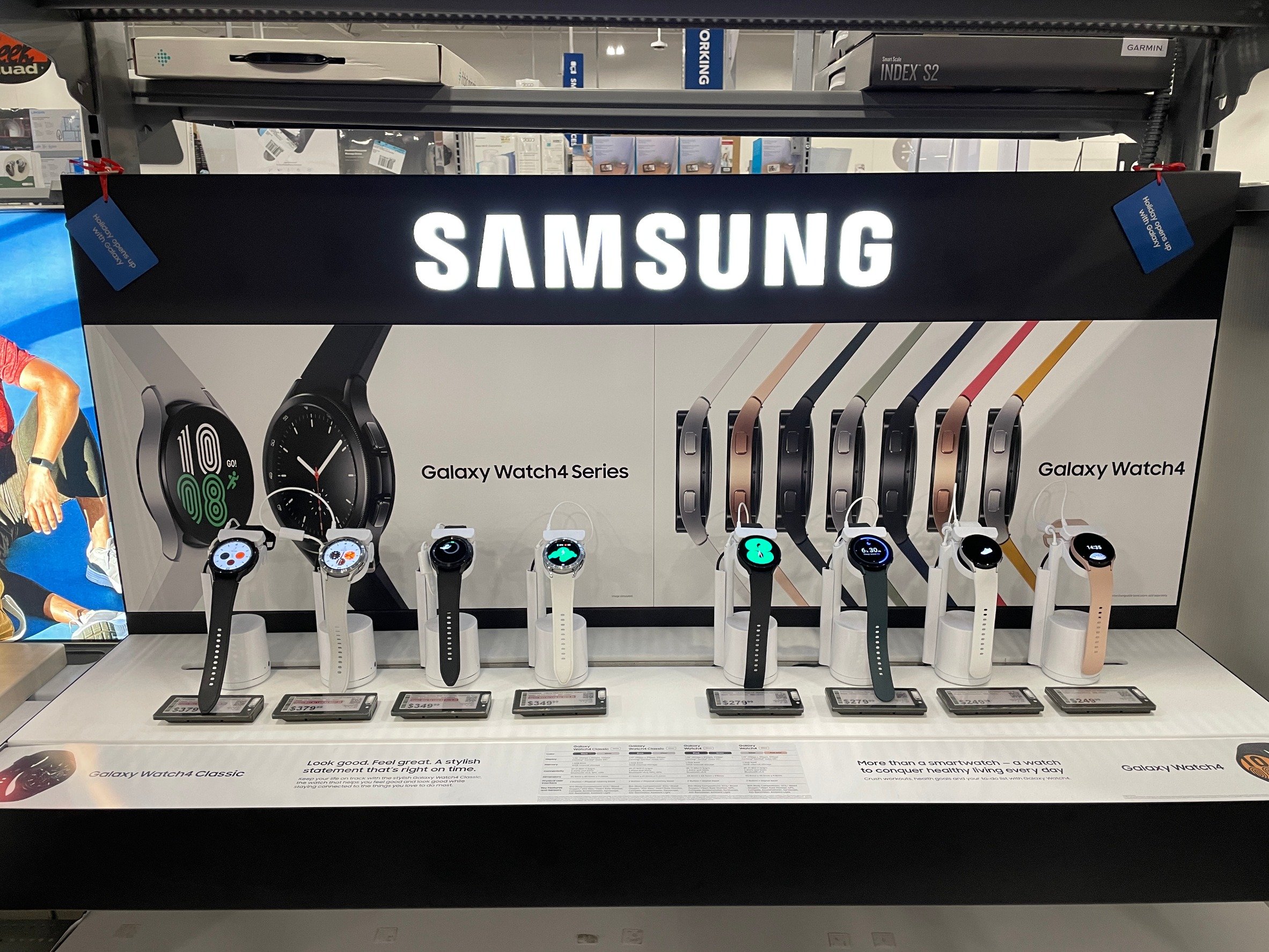
Samsung Electronics saw its shares drop nearly 8% on Tuesday, even after the company issued guidance for what could be its most profitable quarter ever. The South Korean tech giant projected second-quarter operating profit of 89.4 trillion won ($64.5 billion), a staggering 19-fold increase year-over-year. Yet the market's reaction was decidedly negative, with the stock falling as much as 7.9% in a classic 'sell the news' event.
AI Boom Drives Record Profit Outlook
The profit surge is largely attributable to the artificial intelligence boom, which has dramatically increased demand for high-bandwidth memory (HBM) chips used in AI data centers. This demand has also tightened supply for conventional DRAM and NAND chips, pushing prices higher across the board. Samsung's Device Solutions division already posted strong first-quarter results, with revenue of 81.7 trillion won and operating profit of 53.7 trillion won, driven by what the company called 'high-value-added AI demand' and limited industry supply.

Notably, the second quarter marks the first period in which Samsung's newest AI memory product, HBM4, has begun commercial shipments. Analysts at Korea Investment & Securities noted that investors will be closely watching how HBM4 shipments and pricing affect the divisional breakdown when full results are released on July 30.
Why Shares Are Falling Despite Record Guidance
The market's skepticism stems from several factors. First, analysts had already aggressively raised their forecasts ahead of the announcement, as DRAM and NAND contract prices surged 44% and 53% quarter-over-quarter, respectively, according to the Financial Times. This created a setup where even record profit may not satisfy investors unless the company beats the most bullish whisper numbers.
Second, there are broader concerns about the sustainability of the AI infrastructure boom. Investors worry about potential delays, funding pressures, or signs of oversupply that could derail the current momentum. Additionally, company-specific doubts persist: while Samsung's memory division is carrying the business, investors want proof that its foundry unit, mobile division, and consumer electronics business are not being squeezed by the same component-cost cycle that is boosting chip profits.
Analyst Views: Bullish but Cautious
Despite the sell-off, some analysts remain optimistic about the memory cycle's longevity. Meritz Securities analyst Kim Sun-woo said memory chip selling prices should continue rising through year-end, and that Samsung's record-breaking performance trend could extend into 2026, with memory supply likely to remain short of demand growth until at least late 2029.
However, Kiwoom Securities analyst Han Ji-young warned that a historic quarter may not be enough if investors were already expecting it. According to Finance BigGo, Han noted that the market's real expectations may have been above the 85 trillion won level, leaving room for selling pressure if the earnings surprise was not great enough.
What to Watch on July 30
The full second-quarter results, due July 30, will be critical in determining whether this record quarter is broad-based or primarily a memory-cycle windfall. Investors will also be watching for updates on HBM4 shipments and pricing, as well as any commentary on the outlook for the foundry and mobile divisions. For context, the broader AI rally has faced similar scrutiny in other stocks, as seen in Microsoft Stock Dips Despite Layoffs as AI Capex Scrutiny Intensifies and Oracle Shares Rebound 1.3% as Investors Rethink AI-Driven Sell-Off.
Meanwhile, the broader market's reaction to AI-driven earnings has been mixed, with Asian Stocks Dip as AI Rally Faces Earnings Test; Samsung Results in Focus highlighting the region's sensitivity to tech earnings. As Samsung's results unfold, investors will be watching closely to see if the AI boom can sustain its momentum or if the market has already priced in the best-case scenario.
This article is for informational purposes only and does not constitute financial advice.