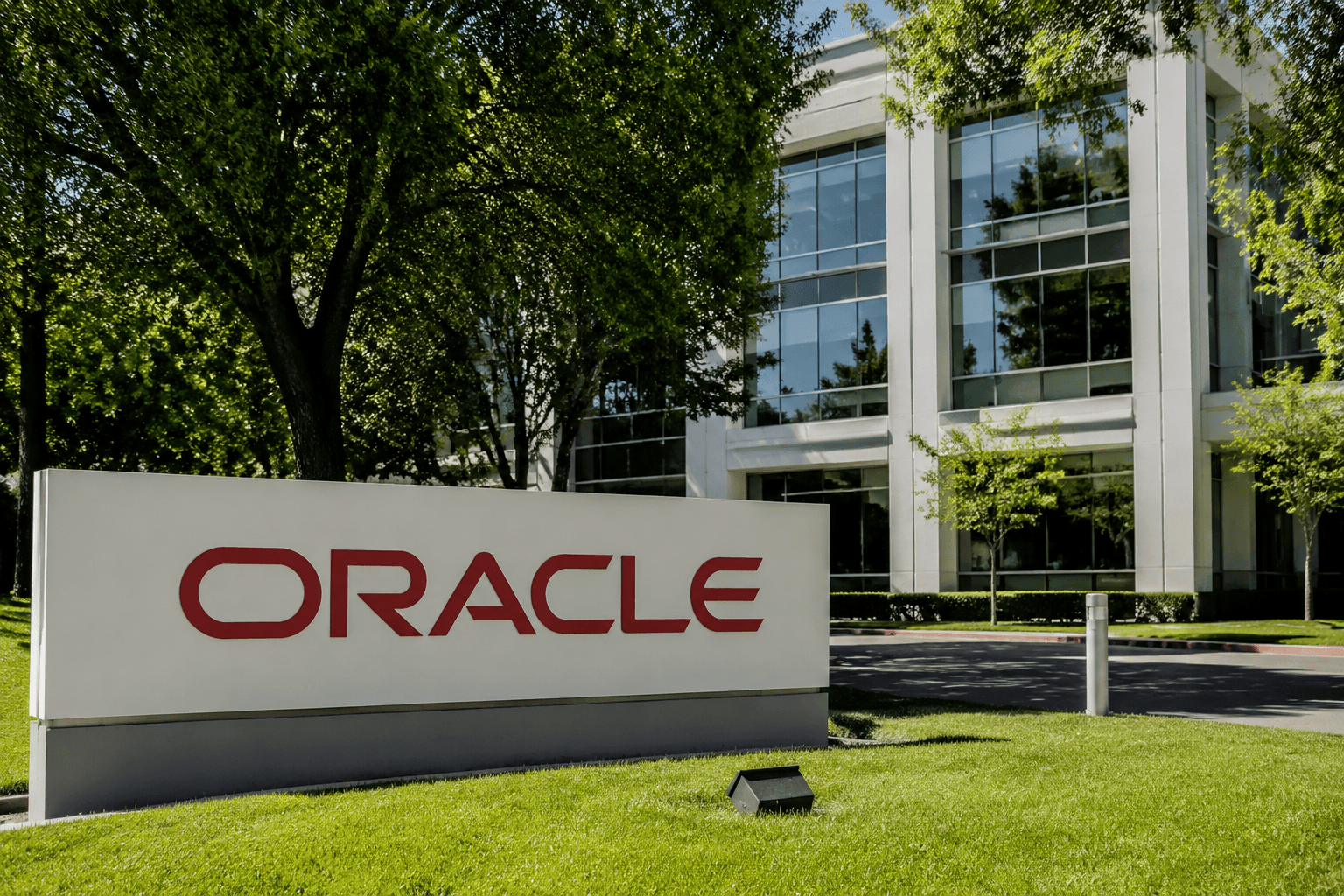
Oracle Corp. (ORCL) shares rose 1.3% on Monday, signaling a shift in investor sentiment as the broader market recovered. The gain came after weeks of selling pressure driven by concerns over the company's aggressive artificial intelligence (AI) infrastructure investments. The Nasdaq Composite rose 0.95% and the S&P 500 advanced 0.44%, providing a tailwind for the stock.
The move suggests some investors now view the earlier decline as excessive. Oracle's stock has fallen 28.03% year-to-date, with a particularly steep 35% drop in June—its worst monthly performance since September 1990. The sell-off followed reports of $16.5 billion in capital expenditures in the latest quarter, pushing full-year free cash flow to negative $23.7 billion.

Backlog Provides Long-Term Visibility
Despite the near-term financial strain, Oracle's remaining performance obligation (RPO) backlog of $638 billion offers strong revenue visibility. This backlog has become a key factor in the stock's recovery, reinforcing confidence that heavy AI investments could translate into future growth. Analysts have highlighted the backlog as a buffer against concerns over debt and cash flow.
Debt and Capex Concerns Remain
Investor worries center on Oracle's debt-funded expansion. The company's debt stood at approximately $130 billion at the end of May, and market expectations suggest capital expenditure could rise to around $92 billion in the next fiscal year. Oracle has also outlined plans to raise up to $40 billion in financing to support AI infrastructure. These figures have raised questions about balance sheet pressure in the near term.
However, several analysts maintained bullish ratings on Oracle during June, raising price targets based on continued strength in cloud computing and AI demand. This analyst support has provided additional backing for investors who believe the sell-off was overdone.
Historical Patterns Suggest Potential Recovery
Historical trading patterns offer some encouragement. Since 1986, Oracle has experienced monthly declines of 30% or more only eight times. In the seven prior instances, the stock rebounded with a median gain of 16% over the following three months and 93% over the subsequent year. The stock finished higher roughly two-thirds of the time after those declines.
Monday's gain aligns with this pattern, as investors refocus on long-term growth prospects. The broader market context also supports the recovery, with the Nasdaq and S&P 500 both posting gains. For context, similar AI-driven sell-offs have affected other tech names, as seen in AI-Driven Earnings Surge Sparks Debate Over US Stock Valuations.
Analyst Outlook and Market Sentiment
While questions remain over debt levels, free cash flow, and future capital expenditure, the positive analyst outlook has helped stabilize sentiment. The stock's recovery also reflects a broader reassessment of AI-related investments, with investors weighing near-term costs against long-term potential. For example, IBM Shares Surge 5% Premarket After JPMorgan Upgrade on AI and Software Momentum highlights similar dynamics in the sector.
Oracle's rebound is not isolated; it comes amid a broader market recovery that has lifted other tech stocks. The company's ability to maintain a strong backlog and analyst support suggests that the sell-off may have been overdone, but investors remain cautious about the pace of spending. As the AI landscape evolves, Oracle's strategy will continue to be a focal point for market participants.
This article is for informational purposes only and does not constitute financial advice.