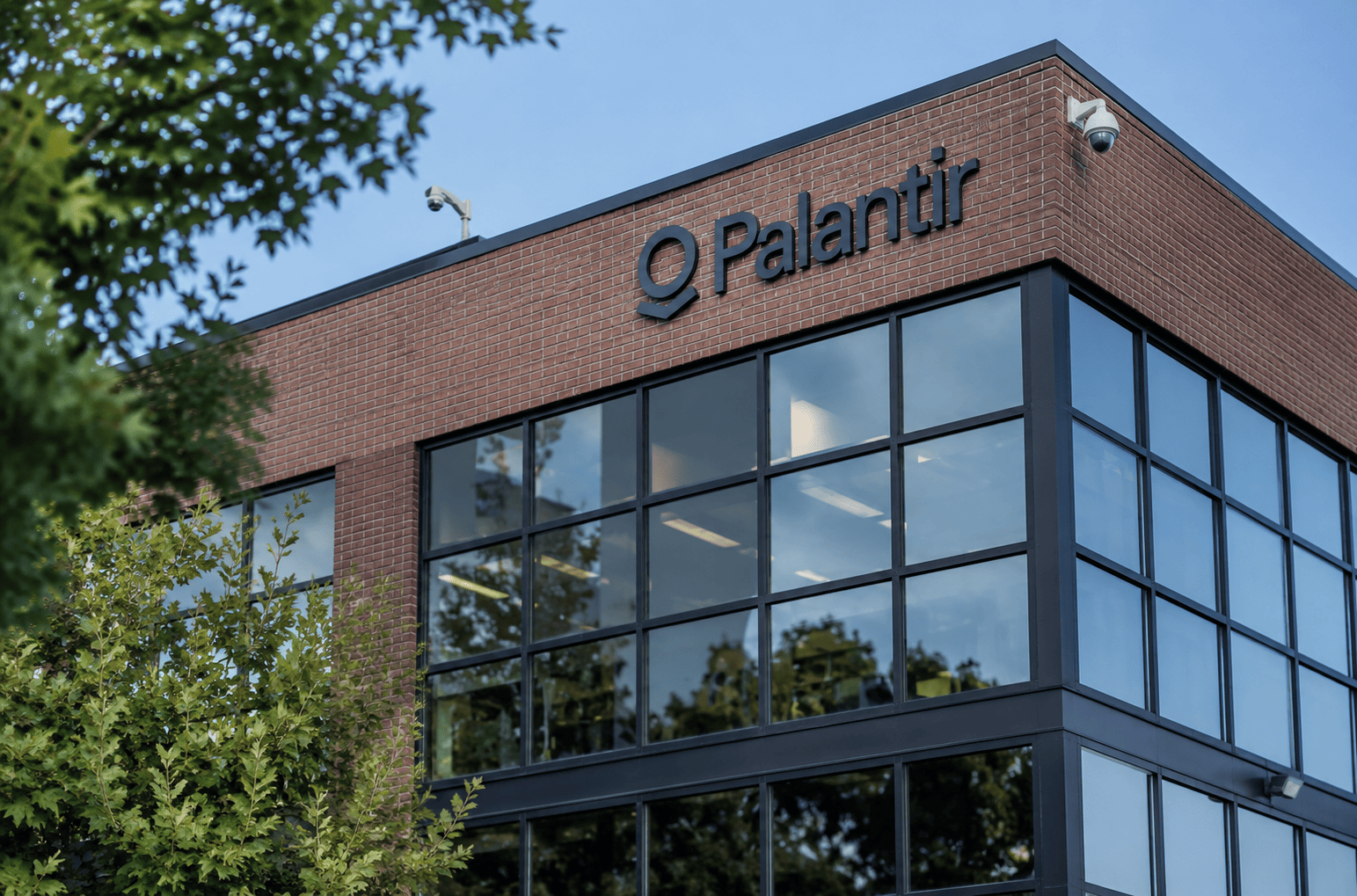
Palantir Technologies reported a blockbuster third quarter, with revenue nearly doubling year over year, but the pace of new commercial contract signings has emerged as a key concern for investors.
The software company posted Q3 revenue of $2.313 billion, up approximately 96% from the same period last year and ahead of the $2.18 billion consensus estimate. Adjusted earnings came in at $0.44 per share, also topping expectations.

The results, released after Monday's market close, reinforce the narrative that corporate artificial intelligence spending is translating into substantial revenue. However, a closer look at the numbers reveals a notable divergence: while US commercial revenue soared 148% year over year, the total value of newly signed US commercial contracts rose only 11%.
Commercial segment overtakes government
For the first time, Palantir's US commercial revenue reached $984 million, surpassing the $953 million generated by American government customers. This milestone underscores the growing importance of the private sector to Palantir's business model.
Corporate adoption provides Palantir with an additional growth avenue, as purchasing decisions are spread across diverse industries with varying operational challenges and budget cycles. This diversification could reduce reliance on any single customer category, potentially broadening the investment appeal of PLTR shares.
Yet, a shifting revenue mix alone does not guarantee sustained expansion. A more robust investment case requires repeat purchases, deeper deployments, and consistent profitability. While this quarter offers encouraging evidence of commercial demand, future quarters must demonstrate that this demand can compound as the business scales.
Contract growth raises questions
The gap between revenue growth and contract growth deserves scrutiny. Revenue reflects work recognized during the quarter, while contract value captures potential business over the life of agreements. Comparing their growth rates cannot definitively signal an imminent slowdown, but it does highlight the need to assess how much of today's expansion stems from earlier deal wins.
Large agreements can make quarterly bookings uneven, so the more meaningful test is whether contract momentum strengthens across several reporting periods. Sustained weakness in new contract signings would make it harder to extrapolate the current revenue trajectory, even if near-term results remain impressive.
Guidance and valuation
Management's fourth-quarter revenue outlook of $2.649 billion to $2.653 billion implies roughly 15% sequential growth at the midpoint, signaling continued expansion rather than a pause. However, operational momentum addresses only part of the investment equation.
The return on PLTR shares also depends on the growth already priced into the stock. Investors should consider what happens if expansion moderates: would expected earnings still justify the current valuation? Monday's results strengthen Palantir's business case, but the focus now shifts to whether new contracts support the higher sales trajectory and whether the price paid leaves room for a less spectacular quarter.
This article is for informational purposes only and does not constitute financial advice.