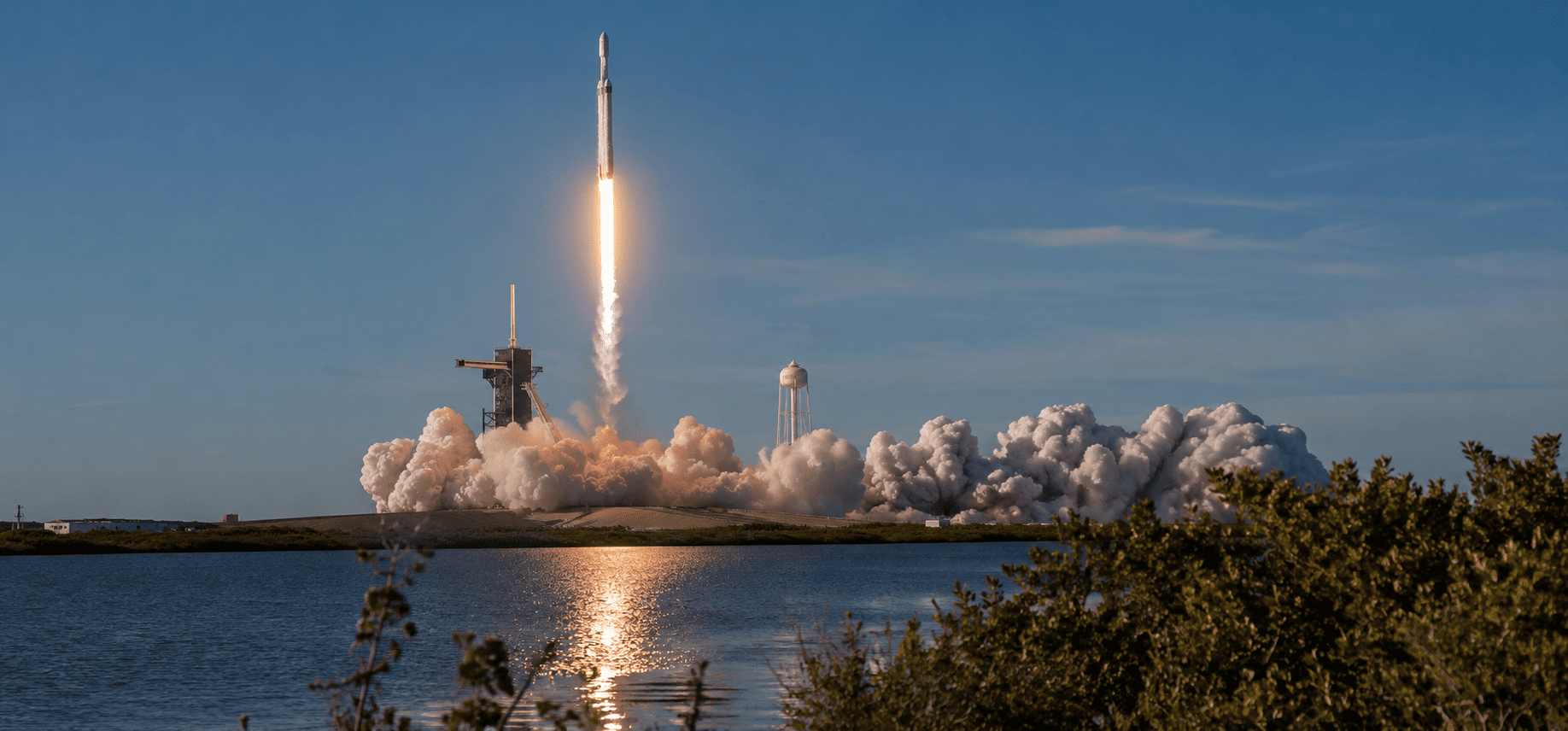
Oppenheimer has become the first major global brokerage to initiate coverage on SpaceX stock ahead of its highly anticipated Nasdaq debut on June 12. The firm issued an Outperform rating with a $190 price target, suggesting a roughly 41% upside from the IPO price of $135. This valuation would push SpaceX's market capitalization to approximately $2.5 trillion within the next 12 to 18 months, according to the analyst note.
Why Oppenheimer Sees Value at $135
Analyst Timothy Horan's bullish thesis centers on SpaceX's unique position as the only vertically integrated artificial intelligence company globally. Horan argues that SpaceX combines capital, proprietary data, large language models, specialized hardware, manufacturing scale, and engineering talent in a way no competitor can replicate. The company's ambition to merge communications, cloud computing, and AI through space-based infrastructure targets a total addressable market of $10 trillion over the next decade, making the current $1.75 trillion IPO valuation appear modest.
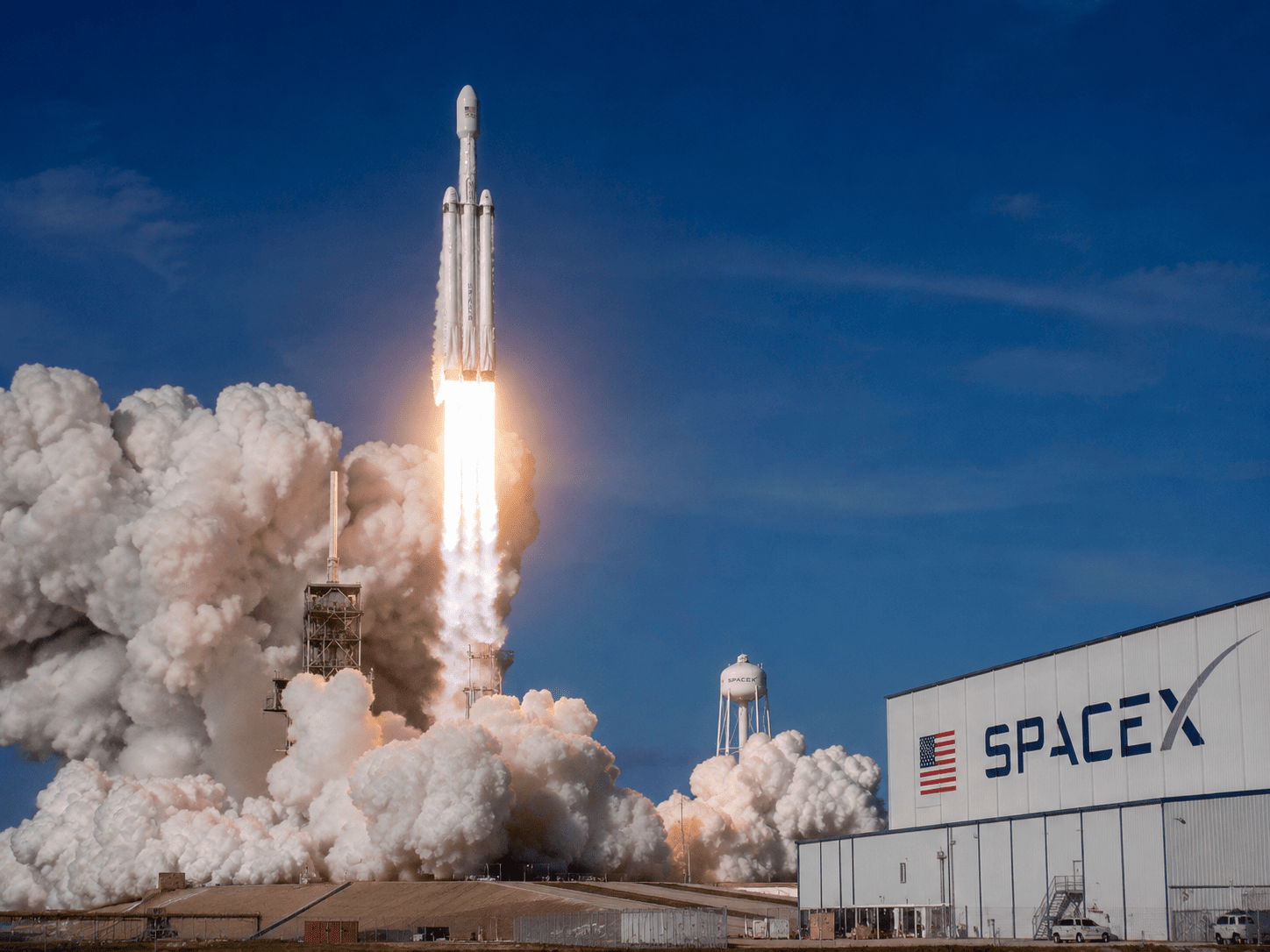
Starlink: The Financial Engine
The financial backbone of Oppenheimer's conviction is Starlink, which generated $11.4 billion in revenue in 2025—a 50% year-over-year increase. This was achieved with an adjusted EBITDA margin of 63%, supported by over 12 million subscribers across 164 countries as of March. The segment's profitability underscores SpaceX's ability to monetize its satellite network effectively.
AI Infrastructure Adds Another Layer
Beyond Starlink, SpaceX's AI infrastructure business is rapidly scaling. The company's Colossus data centers, built at a cost of $12.7 billion in AI capital expenditures in 2025 alone, are now contracted to Anthropic at $1.25 billion per month and to Google at $920 million per month through 2029. These deals represent approximately $26 billion in annualized compute revenue, fundamentally transforming SpaceX's earnings outlook and supporting the view that shares could appreciate further through 2026.
Near-Term Catalysts: Supply Squeeze and Index Inclusion
Oppenheimer also highlights two structural tailwinds that could drive immediate post-IPO gains. The float at launch represents just 5% of total shares outstanding, creating a significant demand-supply imbalance. Retail appetite has already generated over $70 billion in orders for the IPO. Additionally, accelerated inclusion in major indices is likely, further boosting demand. With underwriters including JPMorgan, Goldman Sachs, and Morgan Stanley observing a post-listing quiet period, Oppenheimer stands among the few voices providing a clear buy recommendation at the IPO price.
For broader market context, the SpaceX IPO arrives amid a mixed backdrop. The Dow Jones faces headwinds from bond yields and tech reversals, while the Nasdaq has slid on chip selloffs as the IPO looms. Meanwhile, Tesla rebounded 3% amid SpaceX IPO optimism, and Zoomex launched a $300K airdrop for a SpaceX token, expanding access to private tech.
This article is for informational purposes only and does not constitute financial advice.