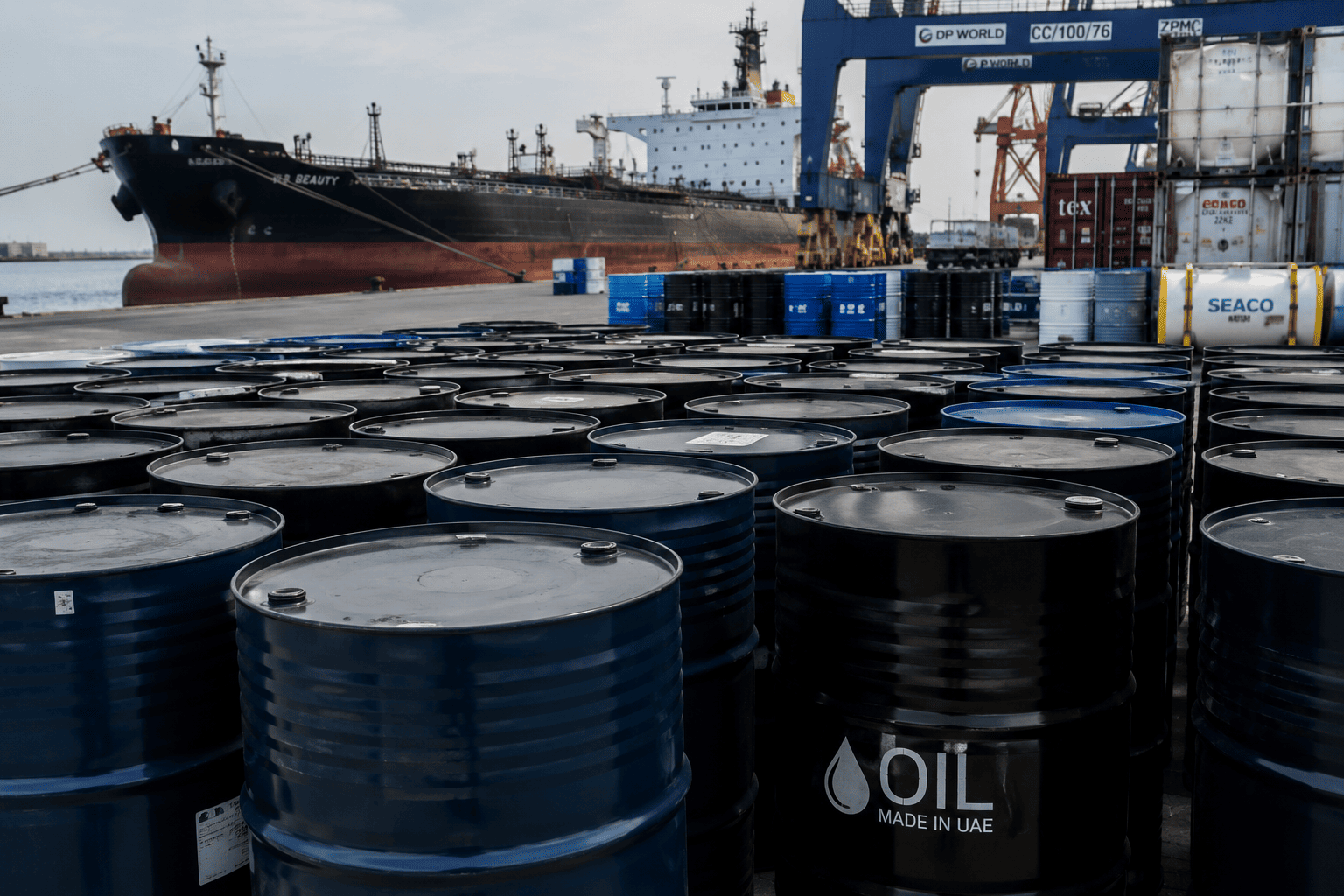
Crude oil benchmarks dropped roughly 2% by midday Tuesday following reports of a possible diplomatic opening between Washington and Tehran, pulling prices back from levels not seen in about five months.
Brent crude futures and West Texas Intermediate both declined about 2% after the report surfaced, before paring losses to trade around 1% lower at 12:00 PM ET. Earlier in the session, Brent had been hovering near $111 a barrel.

What the reported proposal contains
According to the Qatari newspaper Al-Araby Al-Jadeed, Qatar and Pakistan have put forward a framework intended to reduce US-Iran tensions, with both Washington and Tehran said to have responded positively. The plan reportedly seeks to address demands from both sides and could open a path toward formal negotiations.
One reported element involves the possible transfer to Iran of interest earned on $6 billion of Iranian funds currently frozen in Qatari banks. That would represent a partial response to Tehran's longstanding demand for the return of its frozen assets.
Iran has also reportedly agreed to a confidential visit by the International Atomic Energy Agency to its nuclear facilities. The inspection would not be publicly announced and could help address Washington's concerns about Iran's nuclear programme.
These reported developments have raised hopes that diplomatic engagement could lower the risk of further escalation. However, the framework remains unconfirmed, and significant differences between the two sides are unresolved.
Shipping risks remain elevated
Oil markets have seen sharp swings since the conflict involving the United States, Israel and Iran began in February. Expectations of de-escalation have periodically pushed prices lower, while fresh threats to energy infrastructure and shipping lanes have driven them higher.
Despite the latest pullback, concerns about energy transportation through the Gulf remain substantial. Attacks on commercial vessels have increased in recent weeks, adding uncertainty to shipments through the Strait of Hormuz, a critical route for global oil trade.
Market data indicated that at least 18 vessels were attacked across the Gulf region during the preceding fortnight, intensifying concerns about the security of the waterway. The disruption has raised transportation costs and increased the risks associated with moving oil from the region. Even if producers maintain output, difficulties shipping crude to international markets can restrict the amount reaching buyers.
Saudi Arabia is also facing additional risks from the conflict involving Yemen's Houthis. The group claimed fresh attacks on Saudi energy and transportation facilities on Monday, including targets in Yanbu and Shaybah. Saudi authorities had not independently confirmed those particular claims.
The continuing threats have complicated efforts to stabilise supplies and have kept traders alert to the possibility of further disruptions. A potential easing of tensions would not automatically restore normal shipping conditions. Tanker attacks, higher insurance premiums, increased freight costs and the possibility of renewed disruption continue to affect the movement of energy supplies.
This article is for informational purposes only and does not constitute financial advice.