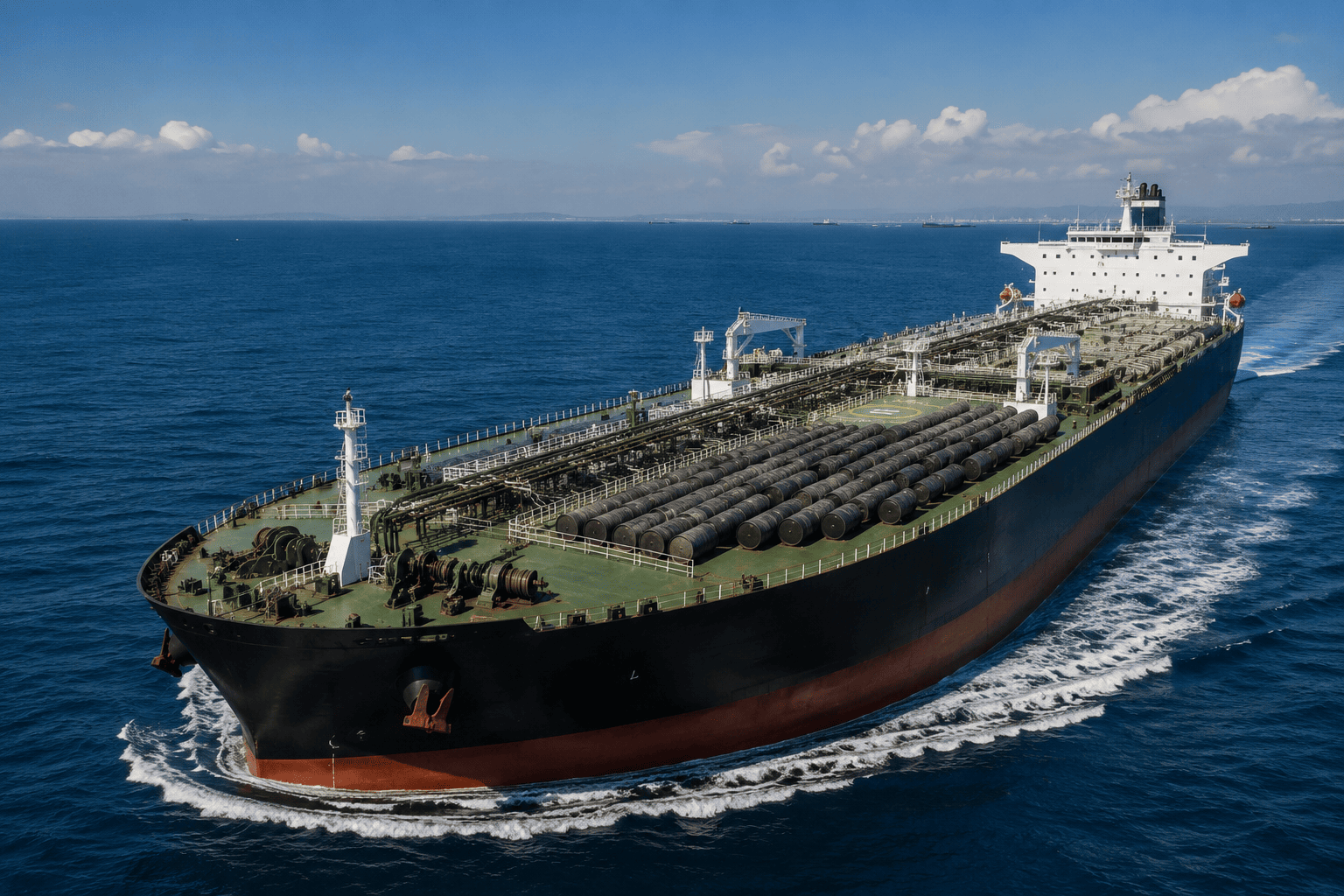
Oil prices edged lower on Monday after the Trump administration moved to ease restrictions on Russian energy exports, a step that could bring additional barrels to global markets. Yet the relief was tempered by persistent geopolitical tensions that continue to threaten supply chains.
Brent crude futures fell 1.21% to $108.52 a barrel, while West Texas Intermediate (WTI) slipped 0.13% to $101.30 in early trading. The pullback followed a strong rally last week, when Brent touched a five-month high and WTI closed at its highest level since September.

Sanctions relief raises supply hopes
President Trump signed an executive order on Friday waiving key sanctions and tariffs on Russia that were set to take effect this week. Secretary of State Marco Rubio indicated the administration would take up to 60 days to evaluate the potential impact on the American and global economies.
This action builds on an earlier decision to waive sanctions on Russian diesel exports through April 2027. Together, these measures could improve the availability of refined fuels and help ease some upward pressure on energy prices, particularly with the November 3 midterm elections approaching and diesel costs a growing concern for the administration.
However, the prospect of additional Russian supply has not dispelled the broader risks facing the market. Ongoing conflicts in Russia and the Middle East continue to disrupt energy shipments, with attacks on commercial vessels adding to transportation costs and uncertainty.
Middle East attacks disrupt flows
Supply concerns have intensified following a sharp increase in attacks around the Gulf over the past week. Data from analytics firm Kpler showed that average crude flows through the Gulf fell to approximately 8.5 million barrels per day last week, measured on a seven-day rolling basis, down from more than 20 million barrels per day in the preceding week.
Kpler recorded 10 attack incidents during the week, underscoring the scale of disruption to commercial shipping. Iran has intensified attacks on tankers in nearby waters as it seeks to restrict crude exports from the region, raising fears that further incidents could interrupt shipments and tighten global supplies.
The conflict between Saudi Arabia and Yemen's Houthi militants adds another layer of threat to regional energy infrastructure and transportation routes. In Russia, a series of Ukrainian drone attacks set an oil terminal and depot in St. Petersburg on fire. That terminal handles exports of about 120,000 barrels per day of refined petroleum products, according to Kpler.
These developments have reinforced concerns that any additional supply made available through sanctions relief could be offset by disruptions elsewhere.
Oil may stay above $100 through midterms
Analysts expect geopolitical risks to keep crude prices elevated in the near term, with the potential for further disruptions outweighing the immediate benefits of measures aimed at improving supply. DBS forecasts oil prices to remain within a range of $100 to $110 a barrel as the US approaches the midterm elections.
Suvro Sarkar, head of energy research at DBS, told Reuters that the administration's measures were unlikely to resolve the underlying supply constraints. He argued that waivers on Russian sanctions and other interventions would offer only temporary relief, with limited structural impact on the supply outlook.
This article is for informational purposes only and does not constitute financial advice.