US stock futures pointed to a higher open on Monday, with technology shares leading a tentative recovery after last week's sharp selloff. Nasdaq 100 futures climbed 1.19%, or 336 points, while S&P 500 futures advanced 0.55% and Dow futures edged up just 0.03%.
The bounce follows a bruising week for equities, during which the Nasdaq Composite tumbled 4.5%, the S&P 500 lost 2%, and the Dow managed a modest 0.7% gain. Investors had been dumping high-flying AI names, but Monday's action suggests some are returning to the sector, helped by easing Treasury yields and a retreat in oil prices.

Chip stocks rebound, but questions linger
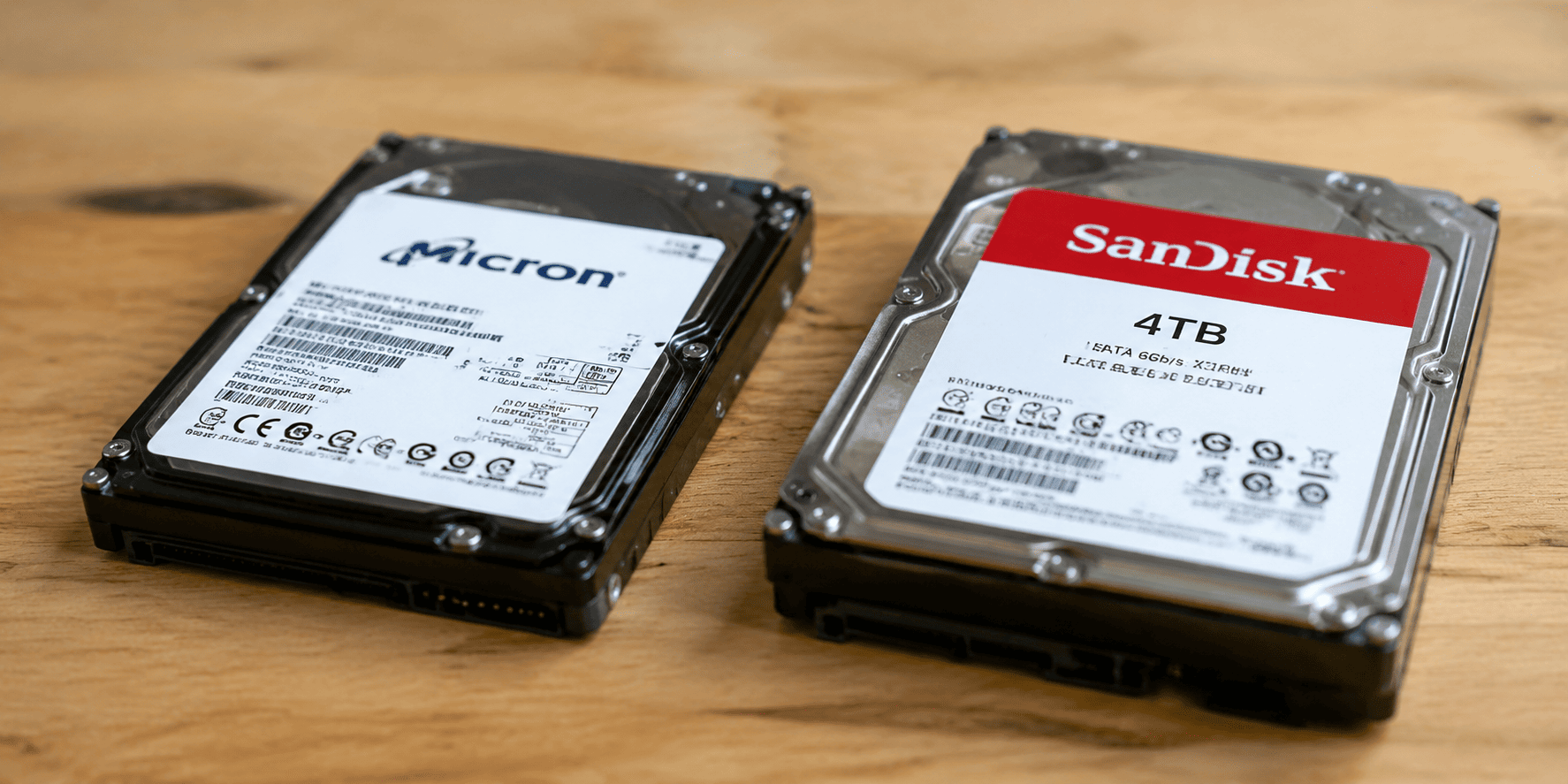
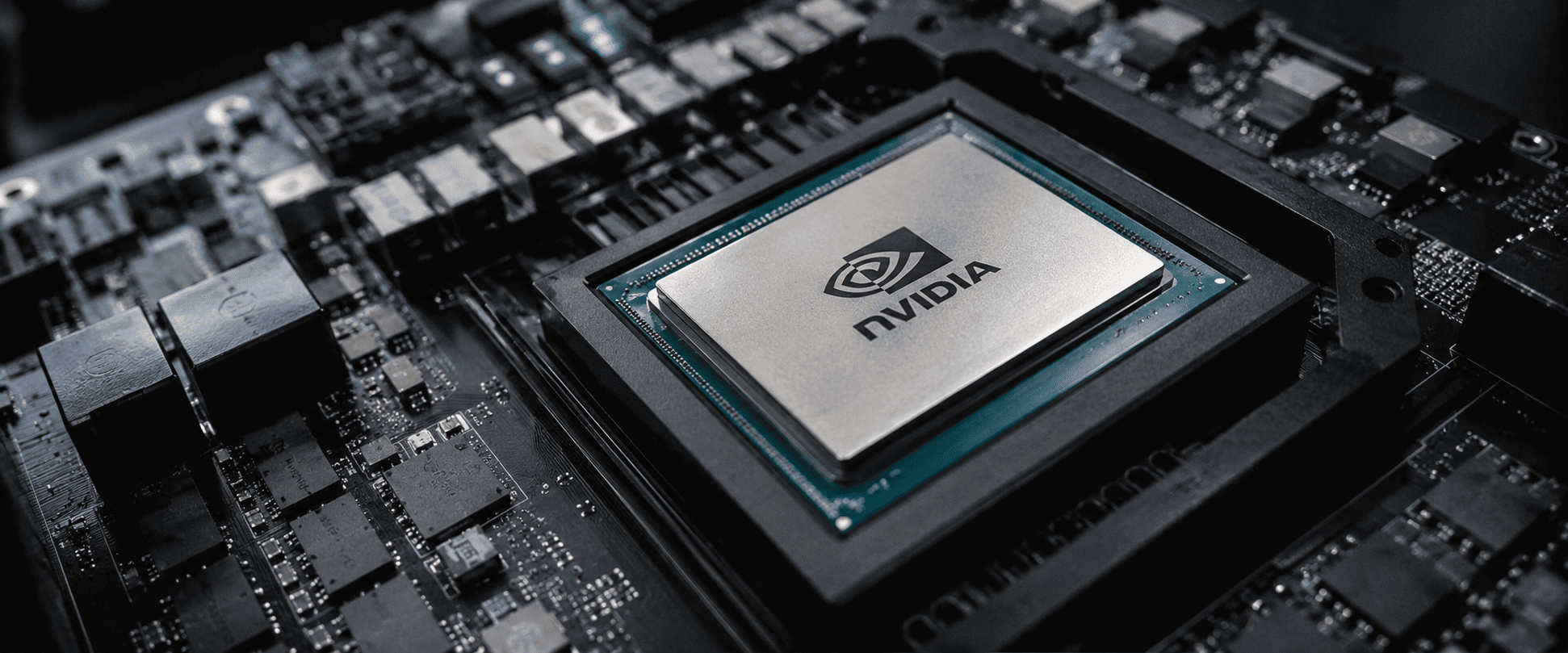
Semiconductor shares led the recovery, with Nvidia gaining about 1.1% before the bell, Broadcom up 2.3%, and CoreWeave adding 1.3%. Micron also recovered. Intel jumped roughly 3.8% after JPMorgan upgraded the stock to neutral from underweight, citing an improving turnaround at the company. However, analyst Harlan Sur remains cautious about Intel's shrinking processor market share and its underdeveloped external foundry business.
The chip rebound comes after nine consecutive losing sessions, the longest such streak since 2006. IG analyst Chris Beauchamp viewed the recent decline as a rotation out of crowded positions rather than a definitive end to the technology rally. Still, falling share prices have not resolved concerns about the returns on massive data-center investments funded by debt.
Oil and yields provide relief
Brent crude fell about 1.8% to $107 a barrel after Washington eased some sanctions on Russia, raising hopes of additional fuel supplies. The 10-year Treasury yield slipped to 5.085%, a welcome development for growth stocks whose valuations depend heavily on future earnings. However, the relief may be fragile: Washington plans to review the economic impact of the policy over 60 days, and attacks around the Strait of Hormuz continue to threaten shipping.
China's growth beats forecasts, but consumption lags
China's economy expanded 4.5% year on year in the third quarter, beating the 4.4% consensus and accelerating from 4.3% in the previous quarter. Industrial production rose 5.5% in September, but retail sales grew only 1.1%, and property investment fell 20.6% in the first nine months. ANZ strategist Xing Zhaopeng warned that the recovery remains vulnerable because fiscal support and domestic demand are not yet dependable. Export-led momentum is positive for global manufacturers but is not the same as a consumer-led rebound.
Meta and Tesla earnings to test AI spending narrative
Meta and Tesla report on Wednesday, following Netflix and General Motors on Tuesday. Meta's spending on AI infrastructure and returns from its new business tools will be closely watched after the sector's financing scare. Tesla faces scrutiny over the cost of its autonomous-driving and robotics programs, as well as whether strong deliveries translate into profits.
The market's ability to sustain this rebound may hinge on these earnings. If companies can demonstrate that AI investments are generating returns, investor confidence could rebuild. Otherwise, the recent volatility may return.
This article is for informational purposes only and does not constitute financial advice.