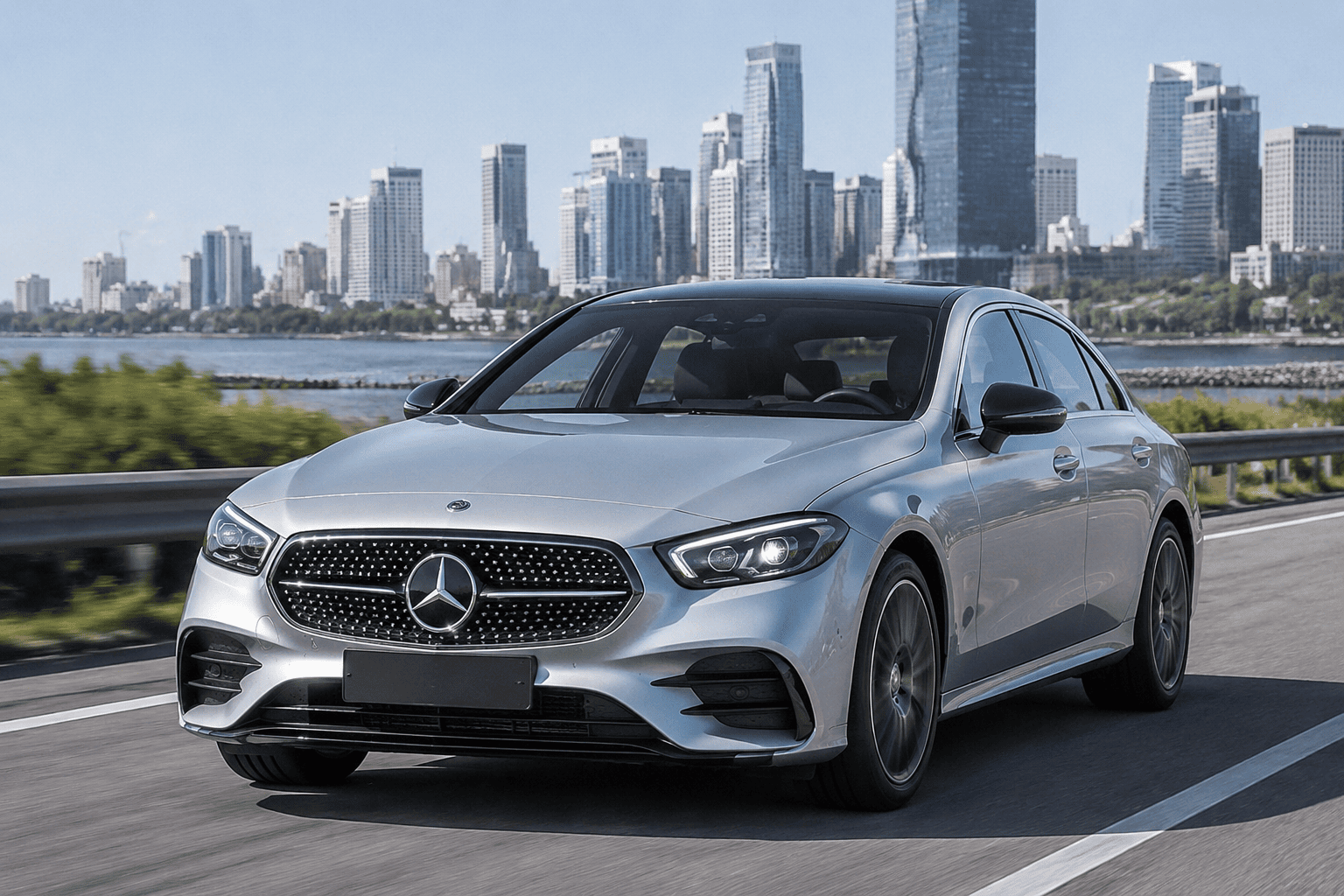
Mercedes-Benz Group AG has entered into a partnership with German startup Tytan Technologies to manufacture vehicles designed for anti-drone systems, signaling a notable expansion into the defense sector as the European automotive industry confronts structural pressures.
The memorandum of understanding was signed at ILA 2026, the International Aerospace Exhibition, on Wednesday. Under the agreement, Mercedes-Benz will produce vehicles for a mobile air-defense system specifically targeting small unmanned aerial vehicles (UAVs).

Focus on Vehicle-Based Drone Defense
According to a company statement, Mercedes-Benz will concentrate on “vehicle-based drone defense and mission platforms for the protection of people and critical infrastructure.” The systems will be built on the automaker's G-Class and Sprinter vehicle platforms, leveraging its existing manufacturing expertise.
This collaboration represents a strategic pivot for the Stuttgart-based automaker, which is seeking new revenue streams as traditional automotive markets face headwinds. The move aligns with a broader trend among European car manufacturers exploring defense-related opportunities.
European Automakers Diversify into Defense
Mercedes-Benz is not alone in this shift. In March, Renault announced development of a ground-based drone for both military and civilian applications. Earlier in January, the French automaker also partnered with defense group Turgis Gaillard to produce aerial drones in France. Meanwhile, Volkswagen has signed a letter of intent with Israeli defense company Rafael to manufacture components for missile defense systems.
These developments highlight a growing trend as automakers look beyond traditional vehicle manufacturing. The defense sector has experienced robust growth following Russia's full-scale invasion of Ukraine in 2022, prompting increased focus on strengthening Europe's defense production capabilities and reducing reliance on external suppliers.
Automotive Industry Faces Structural Challenges
The shift comes as the European automotive industry grapples with slowing demand for electric vehicles, intensifying competition from Chinese manufacturers, and higher borrowing costs. These challenges have pressured automakers across the region, pushing them to seek alternative growth areas.
Industry observers note that the transition from automotive to defense production is feasible due to the transferability of technical skills between the two sectors. For context, during World War II, automotive manufacturers worldwide suspended civilian vehicle production to support military efforts, producing military vehicles, aircraft engines, firearms, and ammunition.
Government Support for Civilian-Defense Collaboration
Germany's Ministry of Defense is actively encouraging greater collaboration between defense companies and civilian businesses. A ministry spokesperson told CNBC on Wednesday that it has launched a matchmaking platform “bringing established defense companies together with start-ups and companies from the civilian sector.” This initiative reflects a concerted effort to connect industrial expertise from civilian sectors with defense manufacturing requirements.
For investors, the partnership underscores the growing intersection of automotive and defense industries. As automakers like Mercedes-Benz diversify, they may benefit from defense spending growth, though traditional auto headwinds remain. Mercedes-Benz shares traded near €47.11 on the Frankfurt Stock Exchange, down over 20% year-to-date and 9.6% lower than a year ago.
This article is for informational purposes only and does not constitute financial advice.