Shares of major memory and storage companies moved higher in premarket trading Thursday after Apple Chief Executive Tim Cook indicated that surging component costs could compel the iPhone maker to increase prices on its devices. The remarks underscore how the artificial intelligence boom is reshaping the semiconductor landscape and tightening supply chains.
Micron Technology rose approximately 4.7% before the opening bell, while Sandisk gained 4.4%. Seagate Technology advanced around 4%, and Western Digital climbed more than 5%. The moves followed Cook's interview with The Wall Street Journal, in which he described the current pricing environment as unsustainable.

“Unfortunately, price increases are unavoidable,” Cook told the newspaper. “We're doing our best to mitigate the huge increases that are being passed to us, and we've been trying to shield our customers from the increases, but the situation has become unsustainable.”
Apple Faces Supply Constraints Ahead of Product Launch
Cook did not specify which products or when price adjustments might take effect. The comments come as Apple prepares to launch a new lineup of devices, reportedly including its first foldable iPhone alongside the iPhone 18 Pro and Pro Max models in September. The CEO, who is set to hand over leadership to John Ternus on September 1, noted that both memory and storage pricing remain key concerns.
“There's less supply at a time when consumers want devices and the memory guys are passing along huge price increases,” Cook said. He also acknowledged that China has domestic memory and storage manufacturers that could potentially ease shortages, but U.S. companies generally require government licenses to engage with them due to national security restrictions. When asked whether such restrictions should be reconsidered, Cook replied, “Everything needs to be on the table,” adding, “I think we should look at all supply.”
AI Demand Reshapes the Memory Market
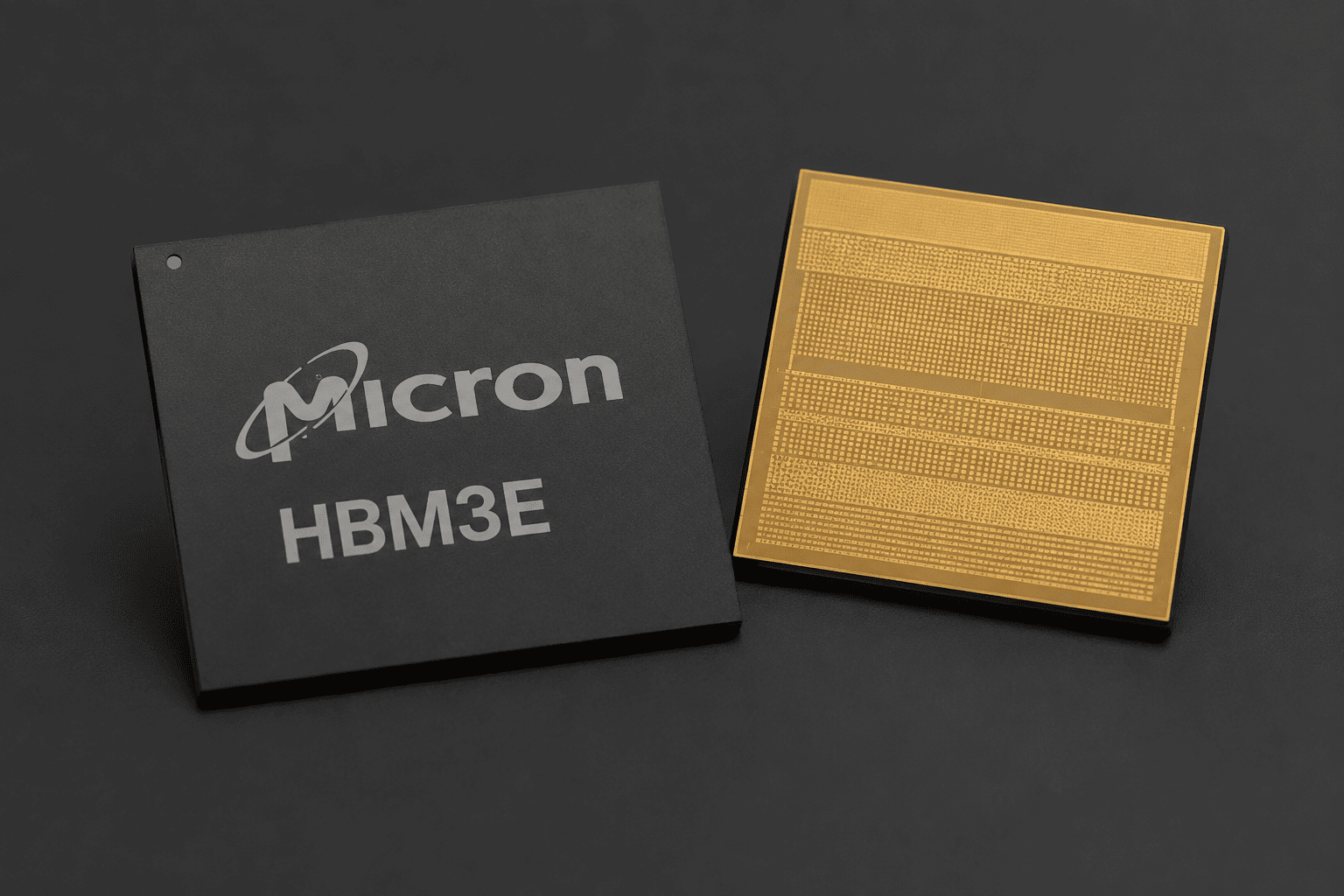
Cook's warning is the latest signal that the artificial intelligence boom is fundamentally altering the semiconductor industry and tightening supplies of memory chips. AI data centers are consuming growing quantities of memory, particularly high-bandwidth memory used in advanced AI servers, leaving less capacity for products such as smartphones, personal computers, vehicles, and gaming consoles. Industry estimates suggest demand for AI-focused high-bandwidth memory could grow by roughly 30% annually through 2030, prolonging supply shortages across the sector.
The prospect of sustained shortages has triggered a sharp re-rating of memory stocks over the past year. Micron shares have gained more than 230% this year, while Western Digital has surged about 280%. Sandisk has jumped more than 610%, and Seagate has advanced over 270%. The strong performance reflects investor expectations that memory manufacturers will enjoy rising prices and stronger earnings as supply remains constrained.
Analysts See Further Upside
Brokerages have become increasingly optimistic on the sector. Deutsche Bank joined a growing number of firms on Wednesday in raising its price target on Micron to $1,500 from $1,000, citing memory shortages worsened by AI adoption that could continue supporting the company's performance for several years. The raised target reflects a 43% upside to Micron's Wednesday close.
Morgan Stanley analyst Erik Woodring also recently raised his targets on storage companies. He increased his price target on Seagate to $1,035 from $767 and lifted his target on Western Digital to $650 from $488. Both stocks have already crossed those targets, with Western Digital closing Wednesday at $712.13 and Seagate above $1,066. Woodring noted that hard disk drives are facing their own supply shortage as cloud-computing providers and AI applications require ever-larger storage capacities. While personal computers no longer rely heavily on hard disk drives, data centers remain significant consumers of storage hardware, and the rise of AI inferencing is creating an additional source of demand.
For more on the broader memory sector, see our coverage of Memory Chip Stocks Plunge Up to 10% on AI Debt Fears and Rate Hike Bets and Nvidia Lags Chip Rally as Smart Money Rotates to Memory, Custom Silicon.
This article is for informational purposes only and does not constitute financial advice.

