The so-called Magnificent 7 stocks—Apple, Microsoft, Nvidia, Amazon, Meta Platforms, Alphabet, and Tesla—have collectively lost over $2.3 trillion in market capitalization this year, marking one of the sharpest retreats for the group since their meteoric rise. The Roundhill Magnificent 7 ETF (MAGS) has fallen to $60.80 from its year-to-date high of $71.17, reflecting broad-based selling pressure.
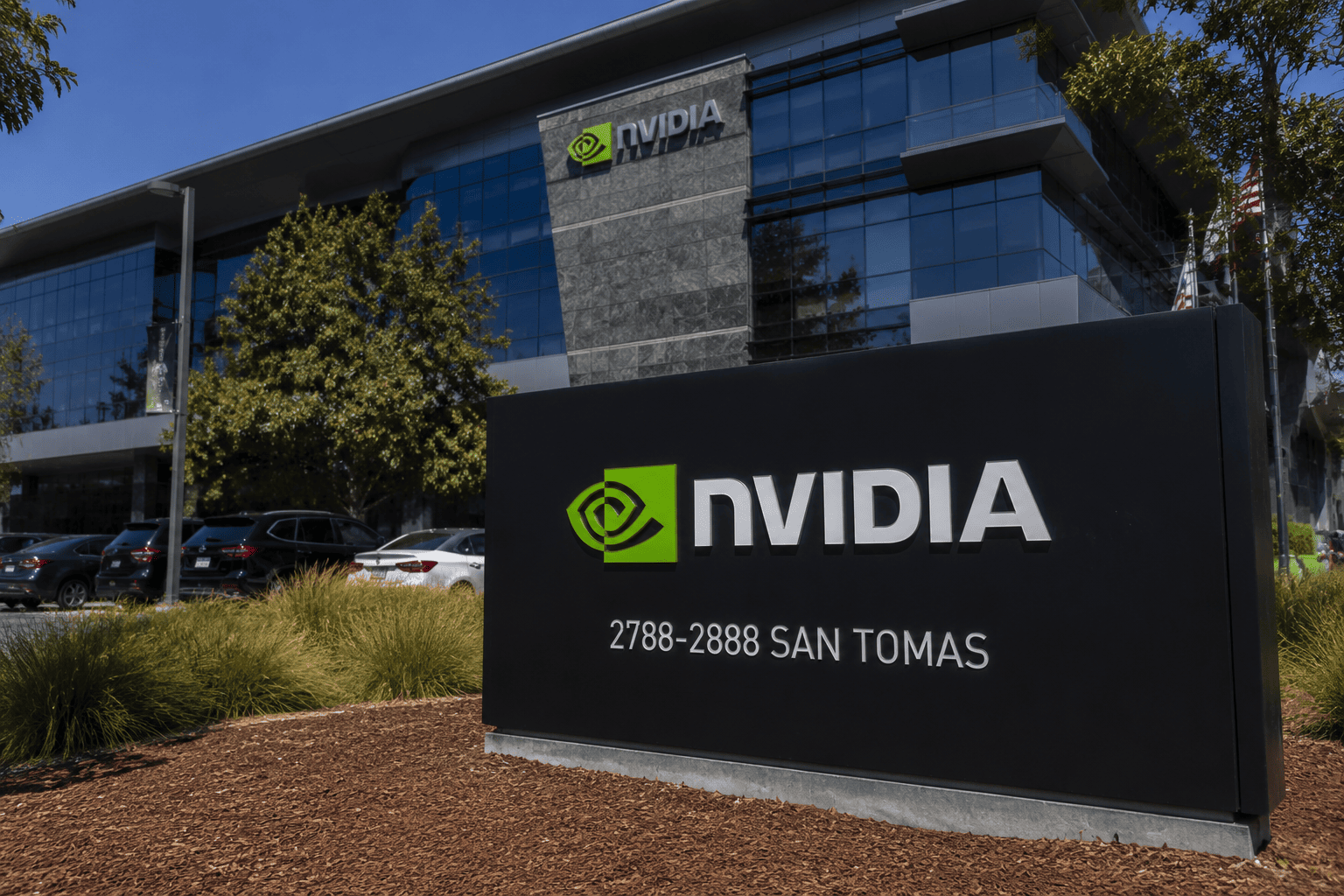
Nvidia, the world's largest company by market cap, has dropped nearly 20% from its 2025 peak. Microsoft has plunged 33%, while Meta Platforms, Amazon, and Tesla are down 30%, 14%, and 16%, respectively, from their highs. Apple has declined more modestly, falling from $317 to $280.

Profit-Taking and Rotation into Memory Stocks
A key driver of the selloff is profit-taking after an extraordinary rally. At its peak this year, Apple had surged over 150% from its 2023 low, and Nvidia had gained 43% from last year's trough. Investors are now locking in gains and rotating into memory chip companies, which have become this year's standout performers.
Memory stocks such as Micron, Sandisk, Western Digital, and Seagate have rallied sharply, buoyed by a supply shortage that has pushed prices to record highs. The Roundhill Memory ETF (DRAM) has attracted over $24 billion in assets since its April launch. Hyperscalers—the largest clients of memory chips—are now spending billions more on components, with Apple recently warning of price hikes for MacBooks and iPhones due to rising memory costs. For more on this trend, see our coverage: Memory Stocks Surge After Apple CEO Warns of 'Unsustainable' Chip Price Hikes.
ROI Concerns on Data Center Spending
Another factor weighing on the Magnificent 7 is growing skepticism about the return on investment (ROI) from their massive data center buildouts. Top hyperscalers—Microsoft, Meta, and Alphabet—are planning to spend over $750 billion in capital expenditures this year, far exceeding last year's levels. To fund these ambitions, companies are turning to dilutive financing: Google recently raised over $80 billion through debt and equity, Meta is considering a similar move, and Nvidia issued $25 billion in debt. Tesla has warned it will not generate positive cash flow this year due to its Terafab project.
These developments have fueled fears that the ROI on AI infrastructure may take longer to materialize than initially expected. As noted in Memory Chip Stocks Plunge Up to 10% on AI Debt Fears and Rate Hike Bets, the market is increasingly pricing in risks associated with debt-fueled expansion.
Valuations Now Look Attractive
Despite the selloff, some analysts point out that the Magnificent 7 have become relatively cheap. Nvidia now trades at a forward price-to-earnings (P/E) multiple of 22, slightly below the S&P 500's 23. Meta's forward P/E has dropped to 16, and Alphabet's to 23. Given their strong profitability, a rotation back into these names could occur after the next earnings season, especially if memory stock momentum fades.
For broader context on the tech selloff, see Dow Slides 207 Points as Tech Selloff Intensifies; Chip Stocks Lead Decline and Nasdaq Futures Dip as Chip Stocks Retreat; Micron Profit-Taking, AI Doubts Weigh.
This article is for informational purposes only and does not constitute financial advice.