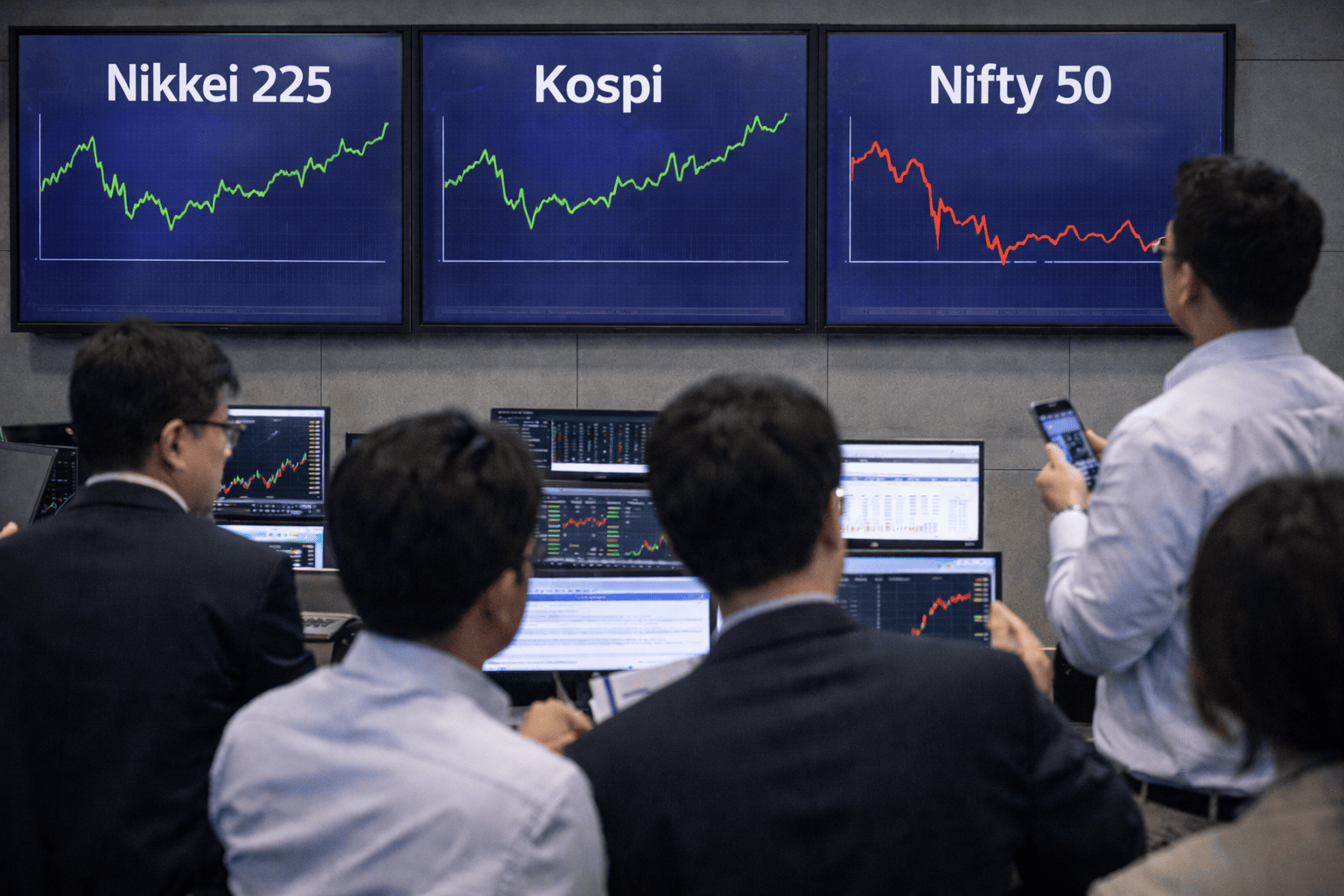
South Korean and Japanese equities clawed back some ground on Wednesday, as investors returned to semiconductor and AI-linked names that were battered in the previous session's sell-off. However, the bounce was uneven, with persistent foreign selling and looming US inflation data keeping the recovery on shaky footing.
The KOSPI advanced roughly 1.5% to 6,123 by late morning in Seoul, after briefly surging more than 2%. The Nikkei 225 added 0.61% to close the morning session at 68,193.13. Samsung Electronics, SK Hynix, and SoftBank Group all recovered a portion of their steep losses.
Yet the rebound masked underlying weakness. Foreign investors turned net sellers of Korean shares again, offloading about 334 billion won by mid-morning, even as domestic institutions provided support. Japan's broader Topix index slipped 0.05%, underscoring that the rally was concentrated in the tech heavyweights that had fallen hardest.
KOSPI's Bounce Faces Foreign Selling
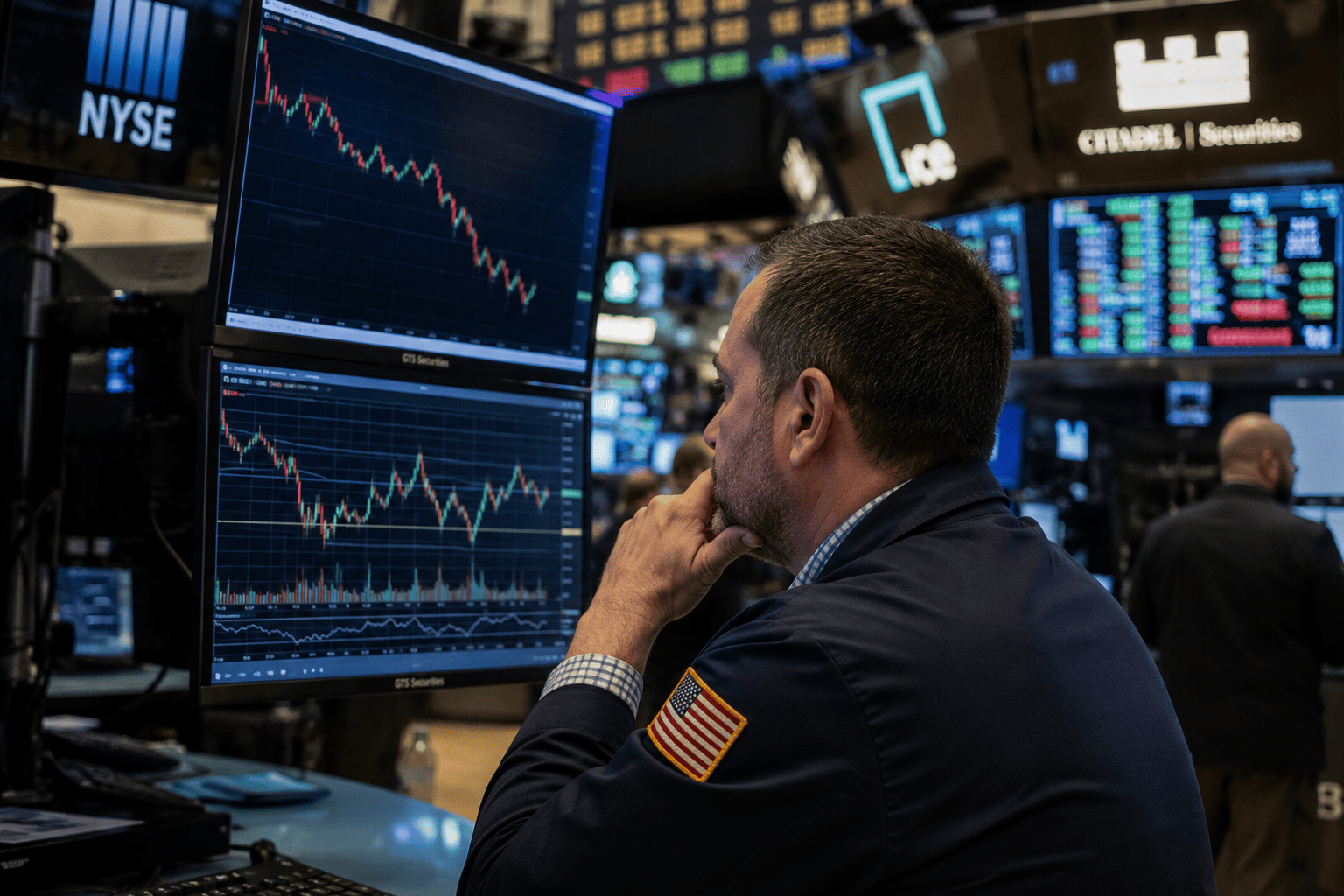
Tuesday's plunge made some recovery almost inevitable. The KOSPI had tumbled 5.46% to 6,035.35, extending its five-session losing streak to nearly 14%. Samsung lost 7.4% and SK Hynix sank 10.1%, as concerns over Chinese memory competition collided with broader doubts about AI valuations.
By late Wednesday morning, Samsung was up more than 2% and SK Hynix had gained about 1.5%. However, the flow picture weakened quickly. Kiwoom Securities analyst Han Ji-young noted that past five-session declines of more than 10% have typically led to stronger medium-term rebounds, with average gains of 3.2% after 20 sessions and 8.2% after 60. Still, Han cautioned that a durable recovery requires renewed confidence in longer-term earnings.
The CXMT issue remains unresolved. The Chinese memory maker claims progress on a denser 4F² DRAM architecture and plans to launch a server-memory product using the design by year-end, keeping competitive pressures alive.
Nikkei's Narrow Advance
The Nikkei's rebound was similarly selective. SoftBank, Advantest, and other AI-linked names recovered after the benchmark's four-session slide, which had erased more than 2,900 points. The Nikkei's official morning close was up 415.61 points, but the Topix's fractional decline highlighted the narrowness of the advance, as the price-weighted Nikkei can be disproportionately influenced by high-priced technology stocks.
The regional picture was mixed. Hong Kong edged higher, Shanghai was broadly flat, and Australia's ASX 200 fell around 0.7%. Taiwanese technology shares also recovered after Tuesday's sell-off.
US CPI Looms Over Rebound
The next test is macro rather than semiconductor-specific. The US 10-year Treasury yield hovered around 5.22% ahead of September CPI, after easing from recent highs. Economists expect headline inflation of 3.6% year on year and a 0.2% monthly increase in core prices. Brent crude was back around $106.60, keeping energy-driven inflation risk alive.
With foreign investors already pulling back from Korean equities and the Topix lagging, the rebound's durability hinges on whether US inflation data can ease rate concerns and restore confidence in AI earnings growth.
This article is for informational purposes only and does not constitute financial advice.