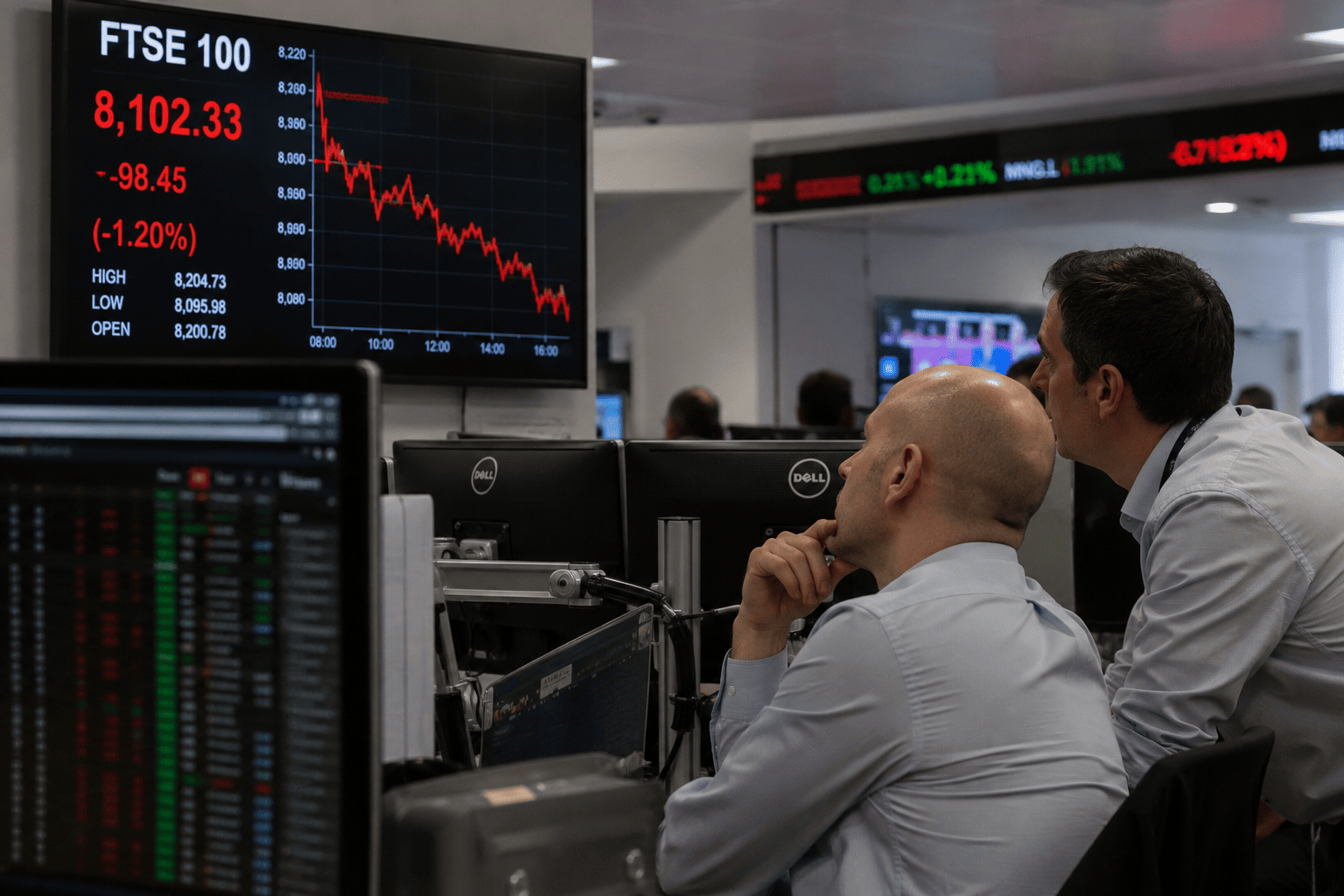
After a turbulent June marked by AI-led volatility, rising interest rates, and inflation concerns, Wall Street strategists are increasingly optimistic about a strong July rally. The S&P 500, which has gained over 8% year-to-date, and the Nasdaq Composite, up about 11%, are poised to extend their bull market, supported by favorable seasonality, robust corporate earnings, and delayed AI public offerings.
Wells Fargo Leads Bullish Calls
Wells Fargo is among the most bullish voices, raising its year-end S&P 500 target to 7,950 from 7,300. In a strategy note led by Ohsung Kwon, the bank cites a “strong summer rally ahead” driven by seasonality, improving investor positioning, expected earnings growth, fresh inflows from so-called Trump accounts, and delays in major AI IPOs. Historically, the first half of July has delivered the strongest seasonal performance of any comparable period over the past century, with the S&P 500 averaging a 1.35% return. The bank also notes that its proprietary investor sentiment indicator has returned to neutral after triggering a sell signal in May, while quantitative investment funds are entering July with neutral positioning, creating room for renewed buying.
June Volatility Rooted in AI Spending Concerns
June’s weakness was concentrated in the technology sector, particularly the Magnificent Seven stocks. The Roundhill Magnificent Seven ETF declined roughly 12.7% over the past month, as investors grew wary of aggressive AI capital expenditures by hyperscalers. Matthew Timpane, senior market strategist at Schaeffer's Research, notes that the broader market remained resilient despite pressure on large tech names. He emphasizes that the US dollar and Treasury yields are key indicators to watch: “If July's bullish seasonality is going to play out, we want to see the dollar remain contained. Likewise, we want to see rates fall.”
Despite the recent pullback, historical trends are encouraging. Schaeffer's analysis shows July has generated positive returns 80% of the time over the past two decades, with average gains of 2.67%. Over the last 10 years, July has delivered positive returns every year, averaging gains of 3.51%.
AI IPO Delays: A Bullish Twist
One surprising bullish argument stems from delayed public listings of high-profile AI companies like OpenAI and Anthropic. While initially seen as a negative, Wells Fargo argues the opposite: postponing IPOs reduces new equity supply, supporting existing tech shares. Moreover, delayed IPOs could ease pressure on companies to raise token prices for enterprise customers, potentially lowering costs and stimulating demand for computing power. This could extend the AI investment cycle rather than shorten it. As Wells Fargo puts it, “Buy the AI dip: IPO delays are bullish.”
Earnings and Fund Flows as Catalysts
Corporate earnings are expected to provide additional support. Wells Fargo projects second-quarter earnings per share growth of 22% year over year, accelerating from 19% in Q1. Part of this improvement may come from tariff refunds, with an estimated $36 billion already distributed and up to $90 billion more potentially on the way. Consumer staples and industrial companies are likely to be among the biggest beneficiaries. For related insights, see our coverage of Seagate Shares Surge After Wells Fargo Upgrade on AI-Driven HDD Demand and Meta Leads Magnificent 7 Surge: Custom AI Chip and Model Launch Fuel 6% Rally.
Key Risks to Monitor
While the outlook is bullish, strategists caution that investors should keep an eye on bond yields and the dollar. Rising yields or a strengthening dollar could dampen the rally. Additionally, uncertainty surrounding the US midterm elections is expected to become a bigger factor only in September, leaving July relatively clear of political headwinds. For a broader perspective on market trends, check out 5 Under-the-Radar Stocks Analysts Favor for Summer 2026 as Market Broadens.
In summary, analysts see a confluence of factors—seasonality, earnings growth, delayed AI IPOs, and neutral positioning—that could drive a strong July rally. However, the sustainability of the move will depend on macro conditions, particularly the trajectory of the dollar and interest rates.
This article is for informational purposes only and does not constitute financial advice.