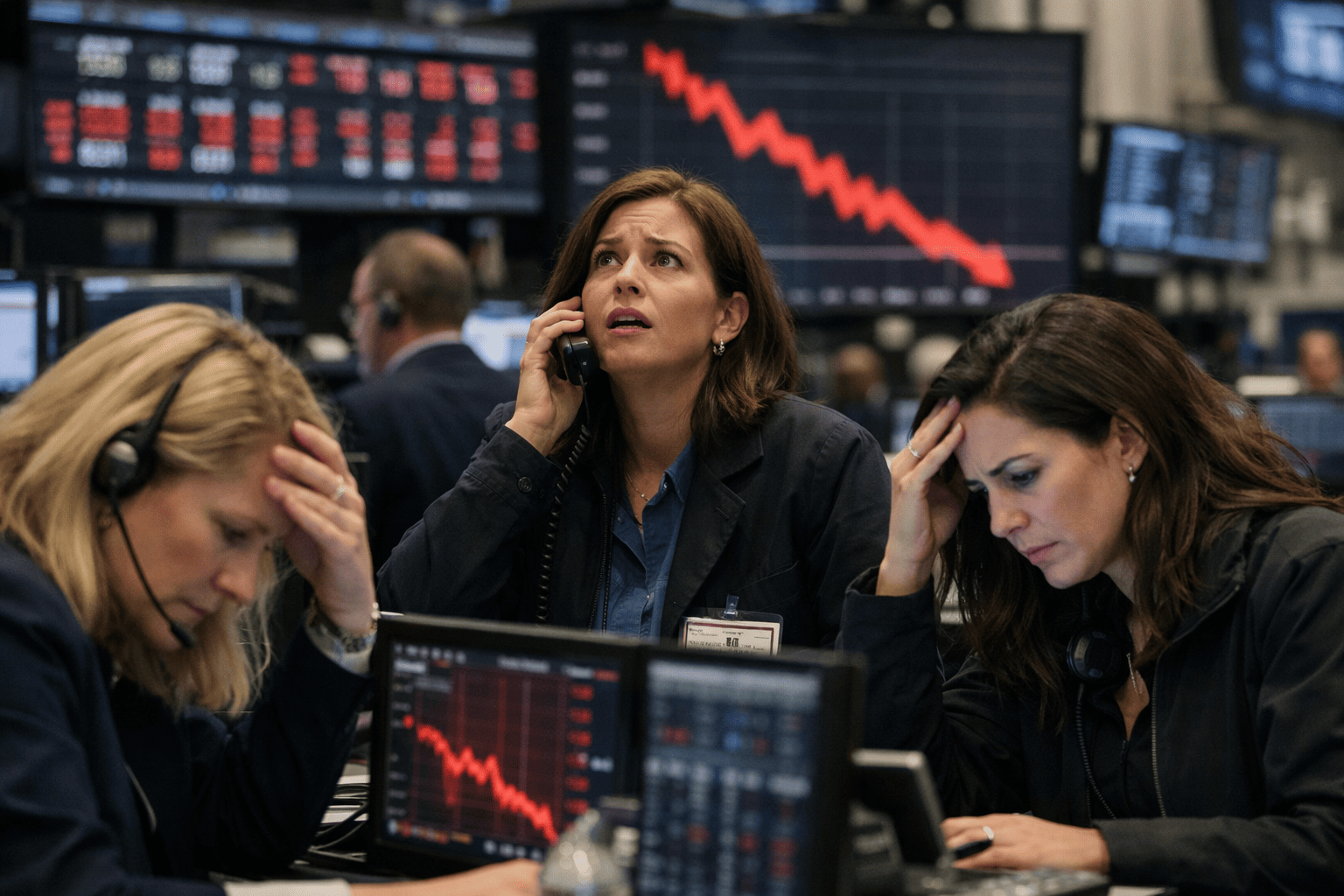
The Dow Jones Industrial Average tumbled 507 points on Wednesday, closing at 51,492.55, as the Federal Reserve's unexpectedly hawkish stance rattled investor sentiment. The S&P 500 dropped 1.21% to 7,420.10, while the Nasdaq Composite slid 1.34% to 26,021.66, with technology stocks bearing the brunt of the selloff.
The selloff followed the Federal Open Market Committee's decision to hold its benchmark interest rate steady at 3.5%–3.75% for the fourth consecutive meeting. However, the accompanying quarterly projections revealed a more aggressive tightening path than markets had anticipated. Nine of 19 Fed officials now project at least one rate increase by the end of 2026, and the median year-end rate estimate rose to 3.8%, up from 3.4% in March.
Hawkish Shift Under New Leadership
In his first policy meeting as Fed Chair, Kevin Warsh broke with tradition by declining to submit an interest-rate projection. During his press conference, he repeatedly emphasized the central bank's commitment to price stability, reinforcing the hawkish tone. The policy statement also removed language that had previously indicated a likelihood of rate cuts this year, further unsettling investors.
Market expectations shifted dramatically. According to CME Group's FedWatch tool, the probability that rates would remain unchanged by year-end fell to 15.7% from 40% on Tuesday. Expectations for a quarter-point rate hike by December rose to nearly 38%, while the probability of a half-point increase climbed to almost 33%.
Treasury Yields and Dollar Surge
The two-year Treasury yield jumped 15 basis points to 4.205%, reflecting heightened expectations for tighter monetary policy. The US dollar strengthened as investors priced in a more restrictive Fed, adding pressure on risk assets. The market's reaction underscored concerns that the central bank may need to maintain higher borrowing costs for longer than previously expected.
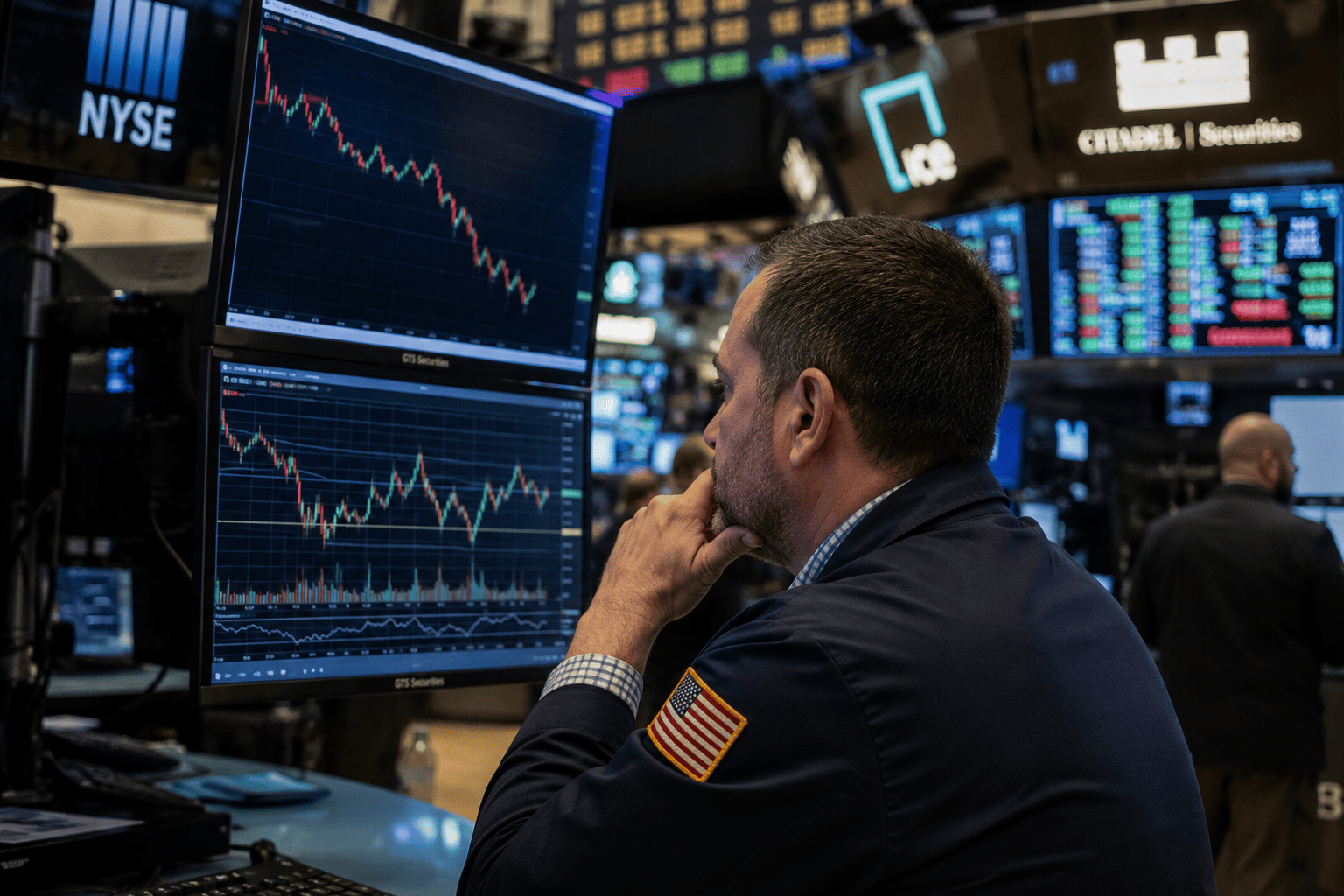
Technology stocks led the decline, with Microsoft, Meta Platforms, Alphabet, and Amazon all trading lower. Growth-oriented names are particularly sensitive to higher interest rates, as they rely on future cash flows that are discounted more heavily in a rising-rate environment. Recently public SpaceX also weighed on sentiment, falling for the first time since its IPO on Friday.
Semiconductor stocks provided some support, with Intel and Micron Technology advancing during the session. Elsewhere, shares of Allbirds surged after the company, now rebranded as Smartbird, appointed former Amazon executive Nadia Carlsten as CEO.
Context and Broader Market Implications
The selloff came after a strong rally from last Thursday through Monday, driven by falling oil prices and optimism surrounding a preliminary US-Iran peace agreement. However, renewed uncertainty after President Donald Trump warned that the agreement was not final contributed to a more cautious tone. The Fed's hawkish shift has now injected fresh volatility into markets, with investors reassessing the trajectory of monetary policy.
This week's decline follows a period of relative calm, but the Fed's updated projections have reignited debate about the pace of rate normalization. For investors, the key takeaway is that the central bank remains vigilant against inflation, even as economic data shows signs of cooling. The probability of a rate hike by December has risen sharply, and markets are now pricing in a more prolonged period of restrictive policy.
As the market digests these developments, attention will turn to upcoming economic data and corporate earnings for further clues on the health of the economy. The Fed's next meeting in September will be closely watched for any shifts in the policy outlook.
This article is for informational purposes only and does not constitute financial advice.