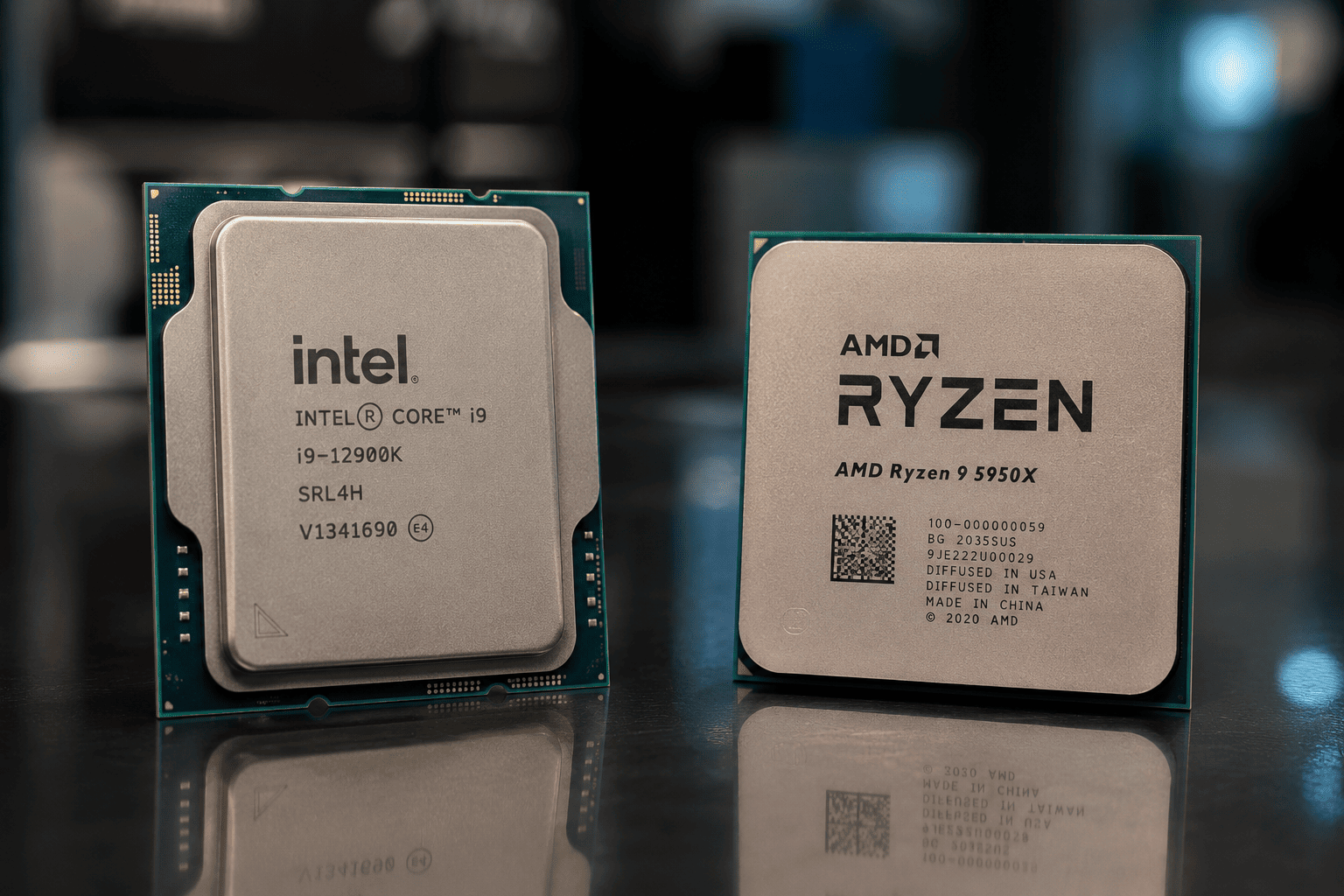
Semiconductor stocks experienced a pronounced sell-off on Monday, with Intel and AMD among the hardest hit as investors trimmed positions ahead of Nvidia's highly anticipated quarterly earnings report. The iShares Semiconductor ETF (SOXX) fell more than 3%, while the broader iShares US Technology ETF declined only about 1%, underscoring that the selling was concentrated in chipmakers rather than a broad tech retreat.
Intel under pressure from dilution and foundry spending
Intel shares dropped as much as 5.47% to $85.14, remaining below the $95 offering price of its recently completed $20 billion secondary equity raise. The upsized offering added roughly 210.5 million new shares, increasing dilution for existing shareholders and weighing on sentiment. The stock's slide below the offering price has compounded selling pressure as investors digest the larger share count.

Intel also faces questions about its near-term free cash flow, given plans to spend more than $20 billion on foundry expansion. Analysts, including those at UBS, have trimmed price targets to reflect the expanded share base and a softer near-term earnings outlook. The company's heavy capital expenditure commitments are a key focus for investors assessing its ability to generate returns in the competitive foundry market.
AMD gets bullish call despite sector weakness
AMD shares also declined on Monday, but the pullback comes after BMO Capital Markets initiated coverage with an Outperform rating and a $550 price target. Analyst Harsh Kumar highlighted AMD's shift beyond individual processors toward a broader AI infrastructure offering, anchored by its Helios rack-scale platform, which is expected to begin shipments in September. Helios is designed to compete with Nvidia's rack-scale systems.
AMD has already secured customer commitments from OpenAI, Meta, and Anthropic, which BMO sees as a potential source of additional AI infrastructure revenue as deployments scale. The company's portfolio spans GPUs, CPUs, networking, and rack-level systems, positioning it to gain market share as customers seek alternatives to Nvidia. BMO expects AMD's expanding AI infrastructure footprint to drive further adoption.
Nvidia earnings loom over the sector
Nvidia is scheduled to report earnings on Wednesday, making Monday's selling particularly notable as investors adjust positioning ahead of the results. The report is expected to be one of the most significant of the year, offering fresh insight into the strength of AI-related demand and its impact on the broader semiconductor landscape.
For Intel, the focus remains on the aftermath of its equity raise, dilution, and heavy foundry spending. For AMD, investors are weighing whether its push into rack-scale AI infrastructure can translate into meaningful revenue and market share gains. Meanwhile, Nvidia's results could set the tone for chip stocks in the near term, influencing sentiment across the sector.
As the market awaits Nvidia's numbers, the semiconductor sell-off highlights the sector's sensitivity to earnings expectations and valuation concerns. Investors are closely monitoring whether AI-driven demand can justify the elevated valuations seen in many chipmakers.
This article is for informational purposes only and does not constitute financial advice.