Global financial markets delivered a mixed picture on Tuesday as hopes for a US-Iran diplomatic breakthrough eased geopolitical tensions, dragging oil and gold prices lower. However, a deepening selloff in technology stocks, driven by mounting anxiety over the costs of artificial intelligence expansion, kept investor sentiment fragile.
Oil and Gold Decline on Iran Diplomacy Hopes
Crude oil prices fell after US Vice President JD Vance signaled meaningful progress in negotiations with Iran. Vance described the talks as laying a successful foundation, suggesting Washington could potentially unfreeze Iranian assets for purchases of American agricultural products. Brent crude for August delivery dropped 1.57% to $76.68 a barrel, while US West Texas Intermediate fell 1.53% to $72.73.
Iranian parliamentary speaker Mohammad Bagher Qalibaf later rejected claims that nuclear discussions had begun but stated the Strait of Hormuz would remain under Iranian management while adhering to international law. Gold also tumbled, with spot gold declining 1.47% to $4,122.99 an ounce, pressured by a stronger US dollar and expectations of Federal Reserve rate hikes. According to CME's FedWatch Tool, traders now see an 88% probability of a rate increase in December, up sharply from 61% before the Fed's meeting last week.
Technology Stocks Bear the Brunt of AI Spending Fears
While commodities welcomed signs of diplomatic progress, technology stocks remained under severe pressure. The selloff that began on Monday accelerated overnight, hitting markets from Asia to the US. South Korea's Kospi led regional losses, closing nearly 10% lower, with memory-chip giant SK Hynix plunging more than 12%. Japan's Nikkei 225 fell 3.55%, snapping an eight-session winning streak.
European equities also declined, with the Stoxx 600 down 1% and ASML, Europe's most valuable company, shedding around $38 billion in market value after sliding 5.2%. US futures pointed to another difficult session, with Nasdaq 100 futures falling 2.8%, S&P 500 futures dropping 1.4%, and the Dow Jones Industrial Average declining by 287 points. The Nasdaq 100 was on track to erase more than $1 trillion in market capitalization.
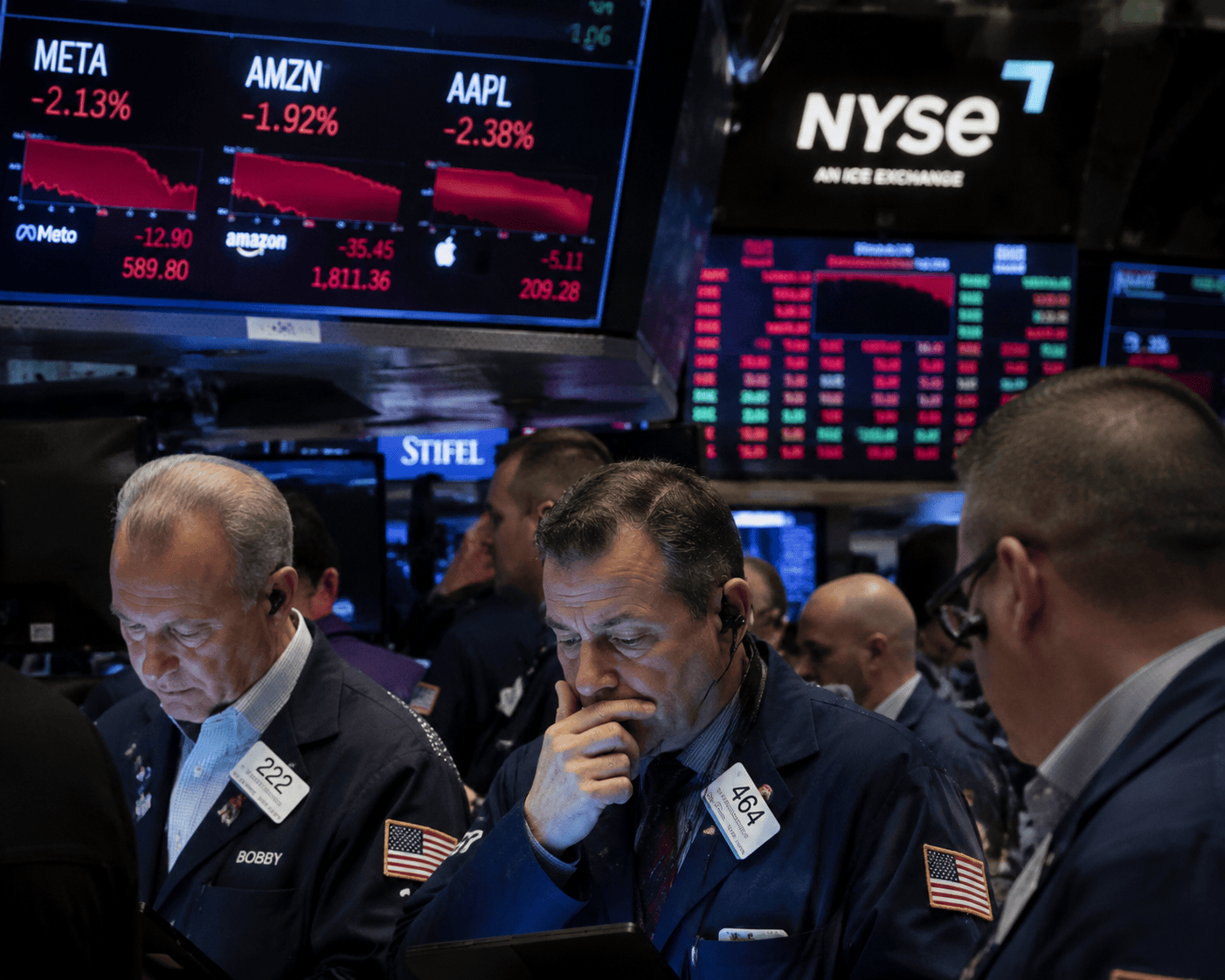
Chipmakers led the declines. NVIDIA fell more than 2.6% in premarket trading, while Intel slid over 7%. Advanced Micro Devices lost 6%, and Marvell Technology tumbled 8%. Memory stocks, among this year's best performers, also came under pressure: Micron declined 7%, Sandisk dropped more than 8.6%, and Western Digital fell 7%.
Debt-Fueled AI Expansion Raises Red Flags
Analysts point to growing unease over the sheer amount of capital being poured into AI infrastructure, much of it financed through debt. SpaceX, whose shares plunged 16.4% on Monday after unveiling plans for a major bond sale, became the latest example of companies tapping debt markets to fund ambitious AI and infrastructure projects. Although the stock was flat in Tuesday's premarket trading, its borrowing plans amplified concerns about the broader AI ecosystem.
Alexander Redman, chief equity strategist at CLSA, described the volatility as unnerving, noting that markets appear to be treating increasingly violent price swings as normal. He added that it remains difficult to determine whether the selloff represents a temporary setback or something more fundamental.
For related coverage, see our analysis of Salesforce's 52-week low amid a record 14-day losing streak and Nvidia's modest dip despite China Vera CPU orders.
Bitcoin Struggles Amid Conflicting Signals
Cryptocurrencies failed to benefit from easing geopolitical tensions. Bitcoin slipped more than 3% to $62,479.80 as investors remained uncertain about the trajectory of US-Iran negotiations. Jefferies economist Mohit Kumar noted that both sides provided different views over the progress of talks, keeping the cryptocurrency trapped within a narrow trading range.
For more on digital assets, read our report on XRP's price dip despite ETF inflows.
Outlook
With AI spending concerns intensifying and the Fed signaling tighter monetary policy, technology stocks face continued headwinds. Meanwhile, the potential for a US-Iran deal could further reduce geopolitical risk premiums in commodities, though the path remains uncertain. Investors should monitor developments in both arenas closely.
This article is for informational purposes only and does not constitute financial advice.