UBS Global Wealth Management has revised its Federal Reserve rate cut expectations, now forecasting the first reduction in 2027, as new Chair Kevin Warsh prepares for his initial policy decision. The wealth manager previously anticipated cuts in late 2026 but now sees two 25-basis-point moves in March and June of next year.
Warsh's Credibility Test
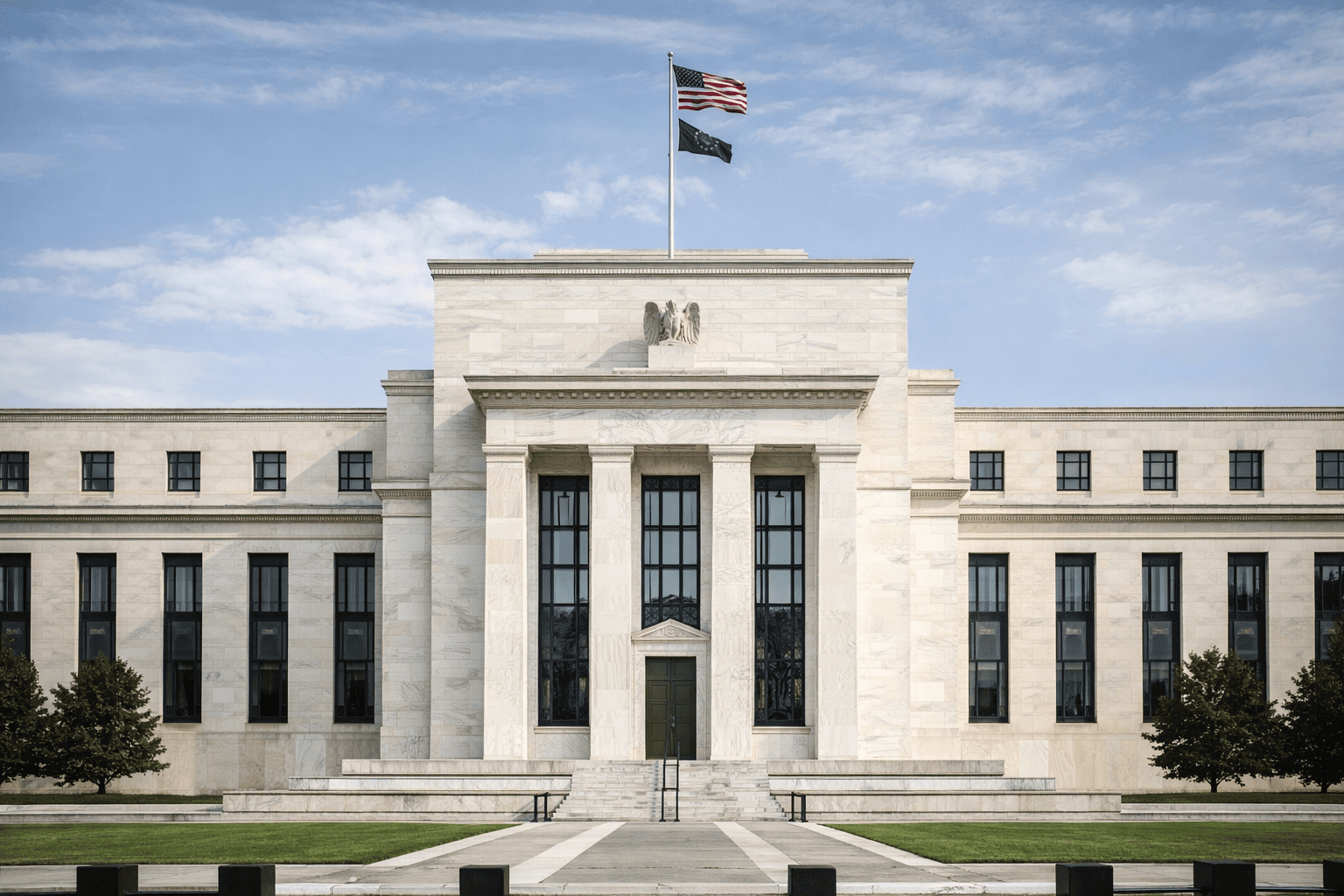
The Federal Reserve is widely expected to hold rates steady at 3.50% to 3.75% at this week's meeting. However, the accompanying statement, dot plot projections, and Warsh's first press conference will be closely scrutinized for signals on inflation and future policy direction.

UBS noted in a research report that it expects a more hawkish tone from both the statement and rate projections, despite Warsh's previously dovish public comments. This divergence underscores the challenge the new chair faces in balancing growth support with inflation credibility.
Recent volatility in energy markets has complicated the Fed's messaging. A preliminary US-Iran agreement has eased oil price pressures, but UBS cautions that central banks are unlikely to pivot quickly while the deal's durability remains uncertain. The risk of second-round inflation effects from energy shocks persists, particularly if shipping through the Strait of Hormuz does not normalize.
Market Sentiment Shifts
The revised UBS forecast aligns with a broader Wall Street reassessment. Goldman Sachs Research earlier this month moved its own rate cut expectations deeper into 2027, abandoning hopes for easing this year. CME FedWatch data shows markets pricing in roughly a 42% chance of a 25-basis-point hike by December, reflecting a dramatic shift from earlier expectations of imminent cuts.
This change in sentiment highlights how the debate has evolved from when the Fed might ease to whether inflation will force further tightening. For UBS, the bar for a dovish turn remains high, and this week's meeting may reinforce that message.
Investors are also watching broader market dynamics. For context, the Hang Seng Index faces key tests from China GDP data and US-Iran tensions, while copper prices edge up but face headwinds from a hawkish Fed and strong dollar.
Central Bank Caution
UBS emphasized that leading central banks are likely to remain cautious, waiting for incoming data to confirm whether the recent energy shock is fading or spreading through the economy. The US-Iran deal has improved market sentiment and lowered oil prices, but it does not immediately eliminate second-round inflation risks.
The wealth manager's analysis suggests that policymakers will prioritize inflation credibility over growth support in the near term, a stance that could persist until clearer disinflation trends emerge.
This article is for informational purposes only and does not constitute financial advice.