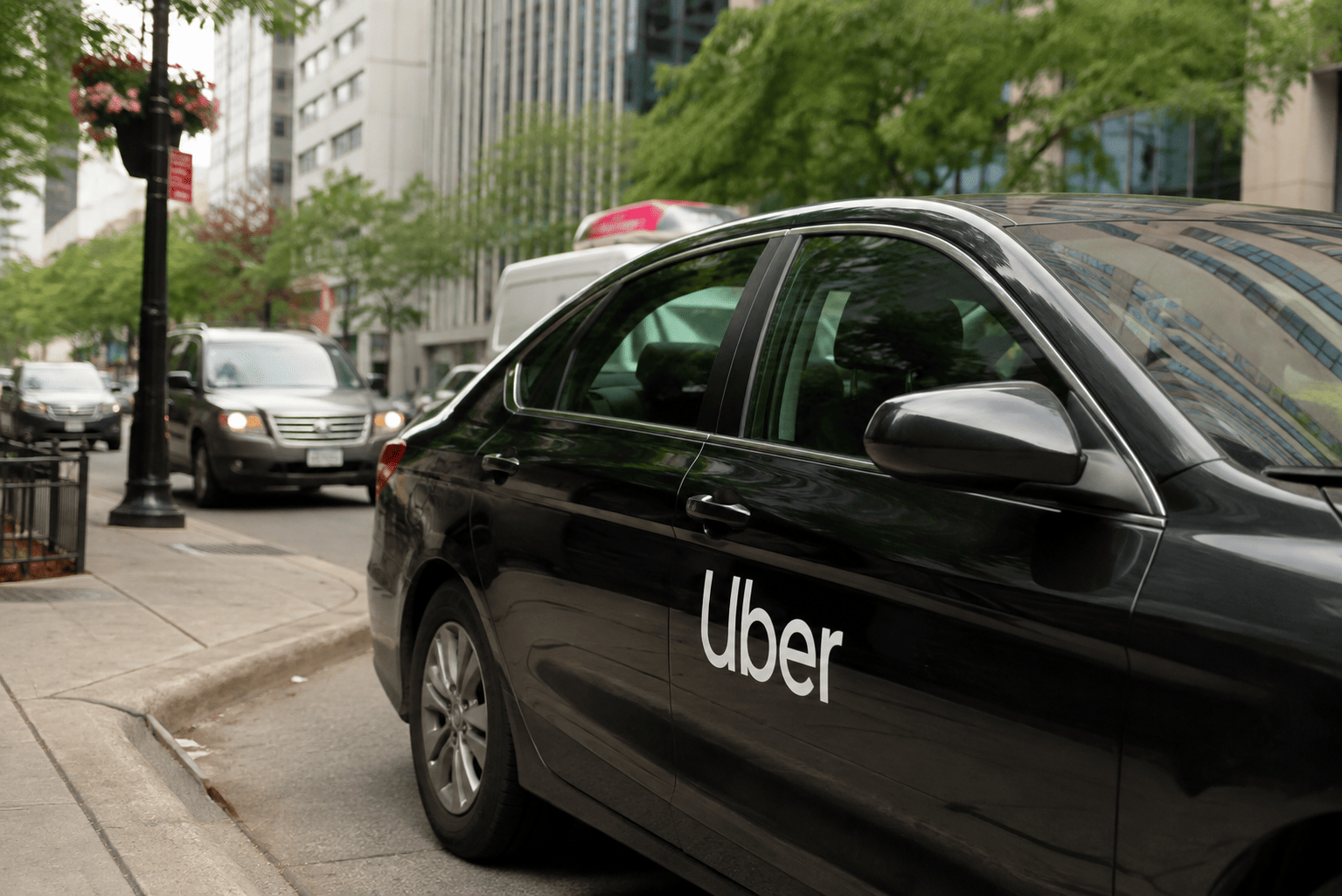
Uber Technologies announced Wednesday that it is eliminating approximately 3,300 positions, representing about 10% of its workforce, as part of a broad restructuring aimed at simplifying operations and accelerating decision-making. The move comes as the ride-hailing giant prepares for a future increasingly shaped by autonomous vehicles.
Shares of Uber (UBER) rose roughly 2% in premarket trading following the announcement. Despite the uptick, the stock has fallen over 9% year-to-date, trailing the S&P 500, as investors weigh the competitive threat from autonomous ride-hailing operators like Waymo.

Restructuring details
CEO Dara Khosrowshahi outlined the changes in an email to staff, noting that Uber's rapid expansion had led to an overly complex organizational structure. He cited "more layers, more coordination, more fragmented ownership" as issues that no longer serve the company at its current scale.
The company had approximately 34,000 employees at the end of last year, according to its annual report. After the cuts, headcount will fall to just under 30,000, roughly the same level as in 2021. This is Uber's largest layoff since May 2020, when it cut about 6,700 jobs due to the pandemic.
Unlike that earlier reduction, which was a response to a sudden collapse in demand, the current cuts are proactive. Uber is aiming to reduce management layers and eliminate duplication. The company has already reduced by 20% the number of employees positioned seven or more reporting levels below the CEO, and cut the number of "micro-teams"—those with only one or two direct reports—by nearly half.
Uber is also consolidating its engineering, science, and delivery operations. Three separate operations teams covering restaurants, retail, and white-label delivery will be merged. Additionally, the company plans to concentrate global teams in New York and San Francisco, requiring most remote employees to relocate. Only about 1% of the workforce will remain fully remote.
Reinvestment in growth and autonomy
Khosrowshahi said the savings from the restructuring will be reinvested in growth, innovation, and key capabilities. Uber has committed more than $10 billion to robotaxi partnerships over the coming years, positioning itself as a platform for summoning autonomous vehicles. The company has also increased investments in autonomous vehicle companies such as Avride, Lucid, Nuro, and Rivian, while reducing stakes in other businesses.
This strategy allows Uber to participate in the autonomous vehicle market without manufacturing vehicles itself. Wall Street appears supportive. BMO Capital recently reiterated an Outperform rating and a $119 price target on Uber, with analyst targets ranging from $70 to $150. The consensus rating is Strong Buy, with the high target implying a 100% upside from current levels around $75.
BMO argues that Uber's investment case is shifting from conventional ride-hailing to its potential as a marketplace connecting passengers with autonomous vehicle operators. If autonomous fleets become a significant part of urban transportation, Uber could reduce its reliance on human drivers while accessing a larger pool of vehicles from various partners. BMO expects Uber's autonomous vehicle strategy to become a major driver of revenue and profitability.
Notably, Khosrowshahi did not attribute the layoffs directly to artificial intelligence, unlike many tech companies. However, Uber has been integrating AI across its operations, and the restructuring is partly aimed at enabling more efficient technology deployment. The company is not simply cutting costs to offset AI spending; it is removing organizational complexity while freeing capital for areas that will define its competitive position in the coming years.
For investors, the restructuring signals Uber's commitment to efficiency and its bet on autonomous vehicles as a growth catalyst. The company's ability to execute on this transition will be critical as it navigates a rapidly evolving mobility landscape.
This article is for informational purposes only and does not constitute financial advice.